What You Need to Know About 2s Lipo Battery Performance?
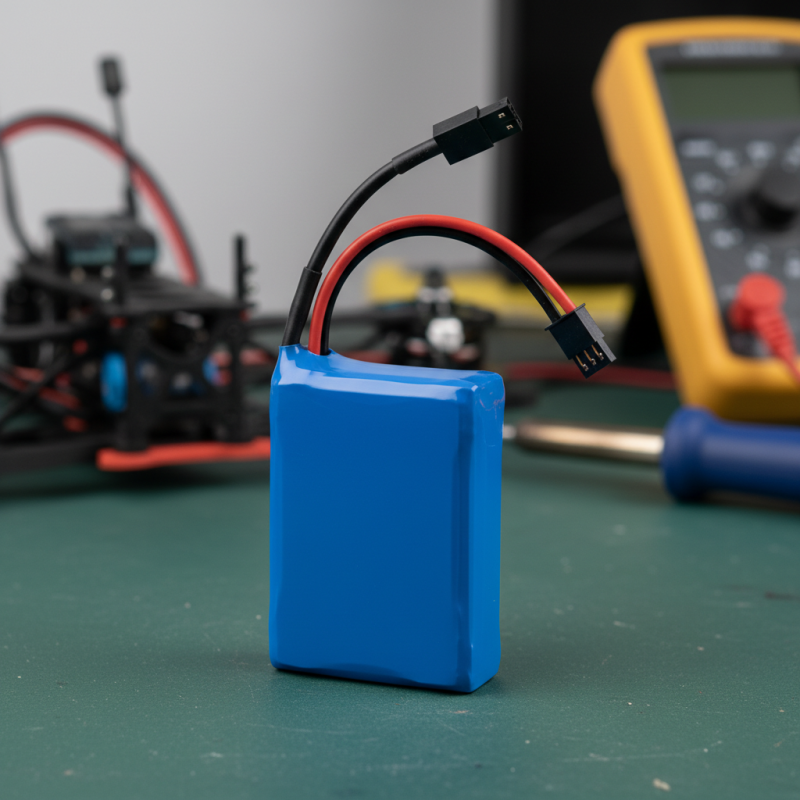
When considering battery performance, the "2s Lipo Battery" stands out. This type of battery offers a balance of power and weight. Many RC enthusiasts choose it for their vehicles. The “2s” indicates two cells in series, influencing voltage and performance. Understanding its characteristics is essential for optimal use.
Performance can vary based on specific needs and applications. Factors like discharge rate, capacity, and internal resistance play significant roles. Users often overlook these details, leading to unsatisfactory experiences. For example, using a battery beyond its ratings may cause overheating or reduced lifespan.
Awareness of these elements helps users maximize their 2s Lipo Battery's potential. Yet, challenges exist, and miscalculations can happen. It's crucial to reflect on one’s usage habits and learn from any mistakes. Enthusiasts must stay informed to fully benefit from their batteries.
Understanding 2s Lipo Battery Configuration and Structure
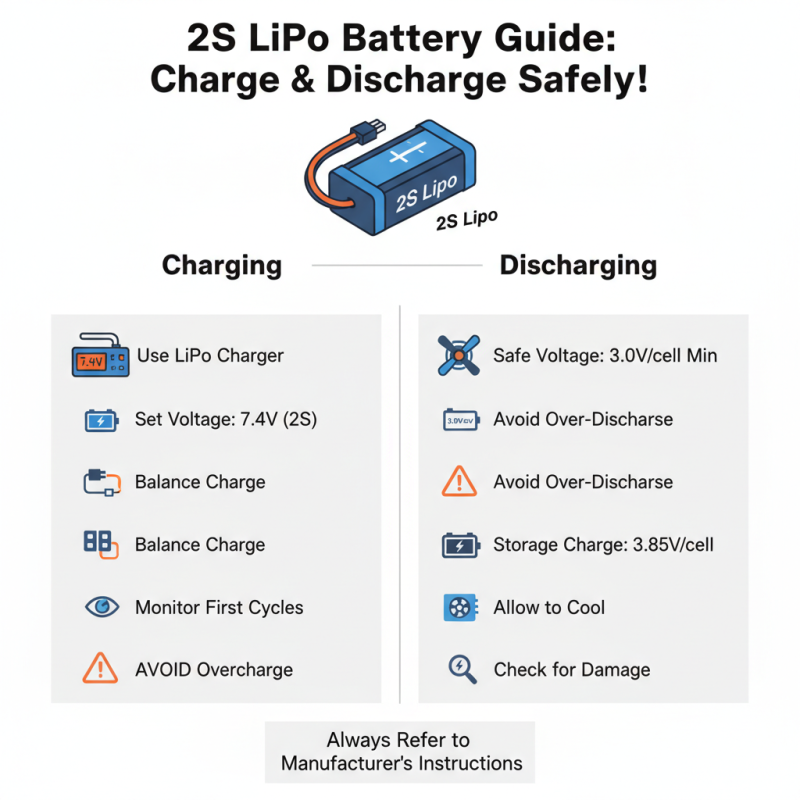
The 2s LiPo battery configuration consists of two single cells connected in series.
This setup doubles the voltage while maintaining the same capacity.
Each cell operates at a nominal voltage of 3.7 volts.
Hence, a 2s configuration yields approximately 7.4 volts.
This voltage is beneficial for various applications, from drones to remote-controlled cars.
Understanding the structure is crucial.
Each cell in a 2s battery has positive and negative terminals.
The arrangement impacts how the battery discharges power.
If one cell underperforms, it affects the entire battery's efficiency.
Regular monitoring can prevent issues before they escalate.
Battery balance is essential.
If one cell charges faster, it can lead to damage.
Performance variations can be frustrating.
Real-life usage may not match theoretical expectations.
It's normal to see discrepancies.
Environmental factors, age, and usage frequency play significant roles.
Over time, you might notice changes in performance.
Reflecting on these aspects helps in optimizing usage.
Keeping an eye on voltage levels enhances longevity.
Key Performance Metrics for 2s Lipo Batteries
When considering 2s LiPo batteries, understanding their performance metrics is crucial. One major aspect is the discharge rate. Discharge rates are typically measured in C ratings. A higher C rating means more power is available for your device. This is vital for applications that require bursts of energy. However, not every user needs the highest ratings. It’s essential to match the battery's capacity to your device’s demands.
Another important metric is the capacity measured in milliamp-hours (mAh). Higher mAh means longer run times. But, larger capacity batteries can be heavier too. Weight can affect the performance of drones, RC cars, or other devices. Balance between weight and capacity is key.
Temperature also significantly impacts performance. 2s LiPo batteries can heat up during heavy use. Overheating can lead to reduced lifespan or even failure. Users must monitor these temperatures closely. Understanding how these metrics interrelate can lead to better choices.
Reflection on personal usage patterns may reveal areas for improvement. Optimize your setup based on actual needs rather than assumptions.
Factors Affecting 2s Lipo Battery Lifespan and Efficiency
The performance of a 2s LiPo battery is influenced by various factors. Temperature plays a crucial role. Low temperatures can reduce efficiency. High temperatures can cause damage. Keeping the battery at a stable, moderate temperature is essential for optimal performance.
Charging habits are another key factor. Overcharging or charging too fast can harm the battery. It’s important to use the correct charging methods. A balance between speed and care is necessary. Monitoring the charge cycle is wise.
Additionally, the battery's age affects its lifespan. Older batteries may not hold charge as well. Regular inspections can identify degradation early. Noticing changes in performance helps extend life. Every user should be aware of these factors to maximize battery efficiency. It's easy to overlook these details, yet they are critical for performance.
What You Need to Know About 2s Lipo Battery Performance
| Factor |
Description |
Impact on Lifespan |
Impact on Efficiency |
| Temperature |
Operating range between 20°C and 25°C is optimal. |
High temperatures can lead to swelling and shorter lifespan. |
Low temperatures can reduce battery performance significantly. |
| Charge Cycles |
Repeated charging and discharging impacts battery durability. |
Batteries typically last for 100-300 cycles. |
Lower cycles can enhance efficiency in performance. |
| Discharge Rate |
Rate at which battery discharges impacts both performance and lifespan. |
Higher rates can decrease lifespan due to heat generation. |
Optimal discharge rates improve overall efficiency. |
| Storage Conditions |
Batteries should be stored at around 40% charge in a cool place. |
Incorrect storage can lead to decreased capacity long-term. |
Proper storage maintains efficiency over time. |
| Quality of Cells |
Better quality cells enhance overall performance and safety. |
Lower quality cells degrade faster. |
High-quality cells provide more reliable efficiency. |
Common Applications and Use Cases for 2s Lipo Batteries
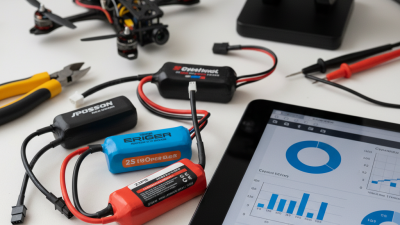
2s Lipo batteries are popular in various applications due to their performance. They are widely used in remote control vehicles, drones, and model aircraft. The compact design allows for efficient power transfer in small devices. Their lightweight nature makes them ideal for racing drones, enhancing speed and agility. In the world of RC cars, these batteries provide the punch needed for thrilling performances.
When using 2s Lipo batteries, it’s essential to monitor their voltage closely. A drop in voltage can lead to performance issues. Over-discharging can damage the cells. Keeping an eye on battery health can extend its lifespan.
Tips: Always balance charge your batteries when possible. This ensures each cell maintains the same voltage. This practice increases safety and performance. Additionally, store your batteries at a half charge if not in use for a while. This can prevent degradation over time.
In educational projects or DIY robotics, 2s Lipo batteries serve as a reliable power source. They can power a microcontroller and motors efficiently. However, mismatched components can lead to reduced efficiency. Users should carefully evaluate compatibility before integrating these batteries.

 +86-13928815851
 CONTACT NUMBER
 CONTACT NUMBER