Ultimate Guide to 2s Lipo Battery Tips for Maximum Performance and Safety
In the world of remote-controlled vehicles, drones, and various electronic hobbies, understanding and optimizing your power source is crucial for achieving peak performance. This brings us to the essential topic of the 2s Lipo battery, a popular choice for enthusiasts seeking a balance between power and weight. The 2s designation indicates two cells connected in series, delivering a nominal voltage of 7.4 volts. With their high energy density and ability to discharge at high rates, 2s Lipo batteries are favored for powering everything from fast RC cars to agile quadcopters.
However, harnessing the full potential of your 2s Lipo battery requires more than just basic knowledge; it necessitates a commitment to safety and proper handling practices. Over the years, many users have encountered a range of challenges that can affect both performance and longevity of the battery. This guide aims to equip both novice and experienced users with vital tips and insights, ensuring that your 2s Lipo battery operates at its best while minimizing risks. From charging techniques to storage solutions, mastering these aspects will help you maximize not only the battery's lifespan but also your overall experience in the exhilarating world of high-performance electronics.

Understanding 2s Lipo Batteries: Basics and Applications
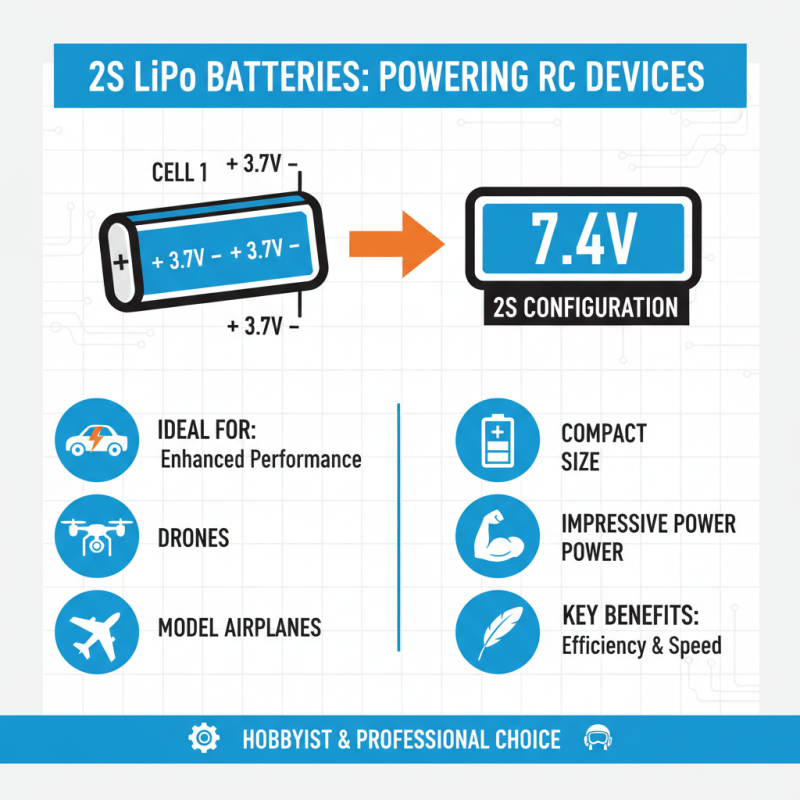
2s LiPo batteries, consisting of two cells connected in series, are a popular choice among hobbyists and professionals alike due to their compact size and impressive power output. Each cell operates at a nominal voltage of 3.7 volts, resulting in a combined voltage of 7.4 volts for a 2s configuration. This increased voltage allows for enhanced performance in various applications, making 2s batteries ideal for powering RC cars, drones, and model airplanes that require a robust energy supply for optimal functionality. Their lightweight design further contributes to improving the overall efficiency and speed of remote-controlled devices.
In addition to their performance benefits, understanding the characteristics of 2s LiPo batteries is essential for ensuring safety. These batteries require specific charging protocols to prevent overcharging and overheating, which can lead to potential hazards. It is crucial to use a balanced charger tailored for LiPo cells, as this will ensure that both cells are charged uniformly. Recognizing the signs of battery fatigue, such as swelling or decreased charge capacity, can also contribute to safer usage. Proper storage, maintenance, and usage of 2s LiPo batteries contribute significantly to maximizing performance while mitigating risks associated with lithium polymer technology.
Key Advantages of Using 2s Lipo Batteries for Performance
When it comes to maximizing performance in various applications, 2s Lipo batteries stand out due to their impressive energy density and discharge rates. With a nominal voltage of 7.4 volts, these batteries deliver a significant amount of power in a lightweight package, making them ideal for high-performance remote-controlled vehicles, drones, and more. According to a report from the International Energy Agency, lithium polymer batteries can achieve energy densities of up to 150 Wh/kg, allowing for prolonged usage and enhanced speed compared to other battery types.
One of the key advantages of 2s Lipo batteries is their balanced performance and weight efficiency. By utilizing a configuration of two cells in series, users can enjoy a substantial boost in power output while maintaining a manageable weight that doesn’t overly burden the device. Additionally, their low internal resistance enables quicker charge times and consistent high-current discharge capabilities, which is crucial for competitive racing or aerial maneuvers. In a study published by the Battery University, it was found that Lipo batteries can discharge at rates exceeding 100C, significantly enhancing acceleration and responsiveness in high-demand applications. This combination of energy efficiency and high discharge rates positions 2s Lipo batteries as an optimal choice for enthusiasts seeking both performance and reliability.
Safety Guidelines for Handling and Storing 2s Lipo Batteries
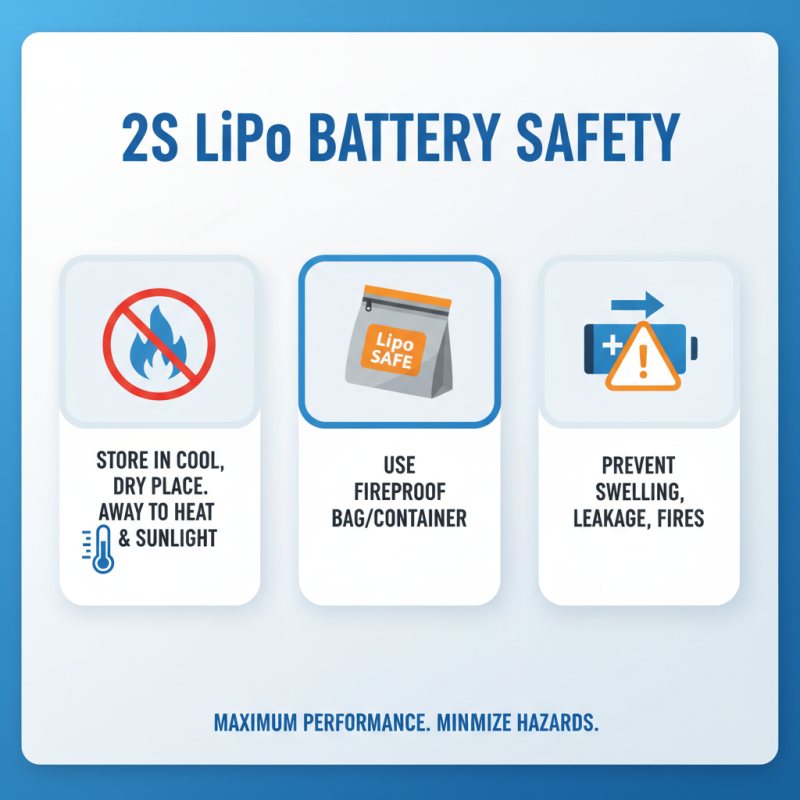
When handling and storing 2s Lipo batteries, it is crucial to adhere to strict safety guidelines to ensure maximum performance and minimize potential hazards. First and foremost, always store Lipo batteries in a cool, dry place away from direct sunlight and sources of heat. Extreme temperatures can lead to chemical reactions that may compromise the integrity of the battery, potentially resulting in swelling, leakage, or even fires. Using a fireproof bag or container specifically designed for Lipo battery storage can provide an additional layer of protection against accidents.
Another critical aspect of safety involves monitoring the charge levels of your batteries. Never allow a Lipo battery to drop below its minimum voltage, as this can cause irreversible damage. It is advisable to use a dedicated Lipo battery charger that includes features such as balancing to maintain even charge across all cells. Additionally, always inspect your batteries for any signs of damage or wear before use; punctures or swollen cells should result in immediate disposal according to your local hazardous waste guidelines. By following these precautions, you can enhance both the safety and longevity of your 2s Lipo batteries.
Tips for Optimizing 2s Lipo Battery Life and Efficiency
When it comes to optimizing the life and efficiency of 2s LiPo batteries, specific practices can significantly enhance both performance and longevity. Studies show that maintaining a charge level between 30% and 80% can help prolong battery cycles, as operating at either extreme can degrade the battery's health over time. Additionally, a gradual discharge rate of approximately 1C is recommended to avoid overheating, which can lead to decreased efficiency and potential safety hazards. By using smart chargers that incorporate balance charging, users can ensure that each cell in the battery reaches the appropriate voltage level, further maximizing overall battery life.
Temperature management is another critical factor in enhancing 2s LiPo battery performance. Industry reports indicate that LiPo batteries perform optimally in a temperature range of 20°C to 25°C (68°F to 77°F). Excessive heat can lead to thermal runaway, while cold operating conditions can sap battery efficiency. Users should always let their batteries cool down to room temperature before and after charging or discharging to prevent damage. Furthermore, regular inspection for swelling or damage can help catch potential failures early, ensuring safety and extending the life of the battery. Implementing these strategies can lead to a more reliable and efficient use of 2s LiPo batteries.
Common Mistakes to Avoid with 2s Lipo Battery Usage
When utilizing a 2s LiPo battery, it's crucial to steer clear of common mistakes that can hinder performance and compromise safety. One of the most prevalent errors is neglecting to monitor the battery voltage during usage. According to a study by the International Battery Association, operating a LiPo battery below its minimum voltage can lead to cell damage and diminished performance. It is essential to use a reliable voltage checker to ensure each cell remains within the recommended voltage range.
Another frequent pitfall is improper charging practices. Overcharging a LiPo battery can result in swelling and potentially hazardous situations. The Battery University suggests employing smart chargers specifically designed for LiPo batteries, which automatically cut off power once the battery reaches its full capacity. Additionally, avoiding charging in high-temperature environments can significantly prolong the battery's lifespan.
Tips for maximizing performance include keeping the battery well-balanced. Regularly checking the cell balance can prevent one cell from degrading faster than the others, leading to a more efficient and longer-lasting battery. Additionally, using a suitable discharge rate that matches your application can ensure optimal performance without risking thermal runaway. By adhering to these guidelines, you can enhance the longevity and safety of your 2s LiPo battery.
Ultimate Guide to 2s Lipo Battery Tips for Maximum Performance and Safety - Common Mistakes to Avoid with 2s Lipo Battery Usage
| Tip |
Description |
Common Mistakes |
Safety Precautions |
| Proper Storage |
Store at room temperature and maintain a voltage of around 3.8 to 3.9V per cell. |
Storing batteries in a fully charged or completely discharged state. |
Keep batteries in a fireproof bag or container. |
| Routine Inspection |
Check for any physical damage or swelling before use. |
Ignoring battery conditions until issues arise. |
Dispose of any damaged batteries immediately. |
| Balanced Charging |
Use a balance charger to ensure equal voltage across cells. |
Using a charger not suitable for LiPo batteries. |
Monitor charging process and never leave unattended. |
| Avoid Over-Discharging |
Discharge to safe levels, around 3.0V per cell. |
Continuing to use the battery beyond safe voltage. |
Use low-voltage alarms to prevent over-discharge. |
| Temperature Management |
Keep batteries within a safe temperature range while in use and charging. |
Using batteries in extreme temperatures. |
Use thermal management solutions if necessary. |

 +86-13928815851
 CONTACT NUMBER
 CONTACT NUMBER