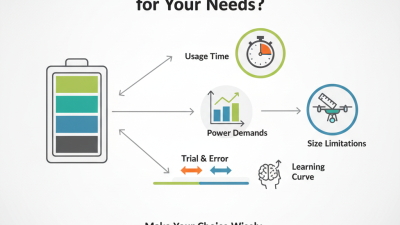
What is a 3.7 V Lipo Battery and Why Does it Matter?
The 3.7 V Lipo battery has become a staple in various electronic devices, from drones to smartphones. According to a report by Research and Markets, the global market for lithium polymer batteries is projected to grow by 9% annually through 2026. This growth highlights the importance of understanding the 3.7 V Lipo battery's role in modern technology.
Dr. Emily Chen, a leading expert in energy storage systems, emphasizes the significance of this battery type. She states, "The 3.7 V Lipo battery is crucial for powering the next generation of smart devices." Its lightweight nature and high energy density make it an ideal choice for portable electronics. However, users should be aware of its limitations, such as sensitivity to temperature changes and potential safety risks if mismanaged.
As this battery type gains prominence, it is essential to reflect on its applications and challenges. While offering remarkable efficiency, the 3.7 V Lipo battery also invites scrutiny regarding its lifecycle and environmental impact. Understanding these nuances helps consumers make informed decisions about their energy storage needs.
What is a 3.7 V Lipo Battery and Its Typical Applications
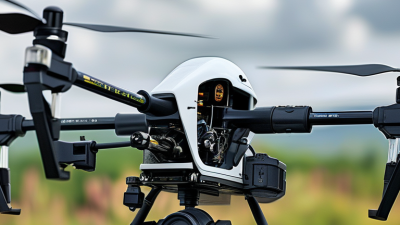
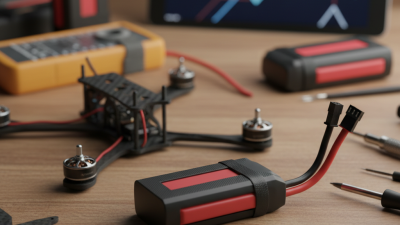
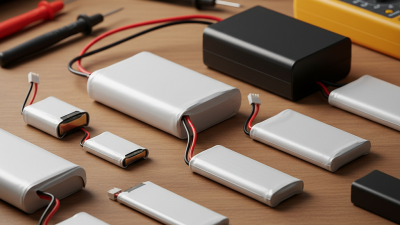
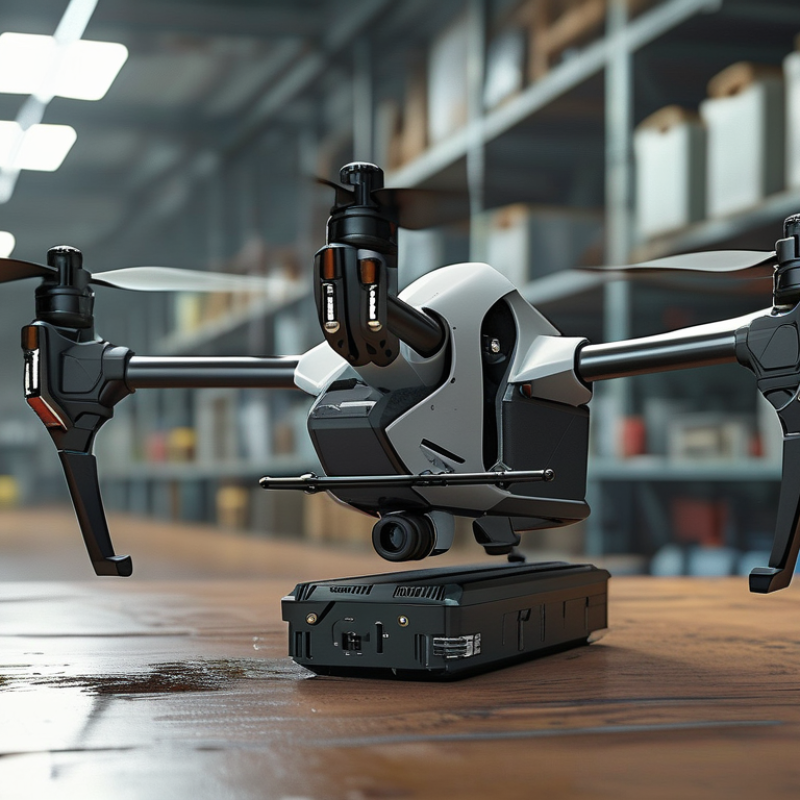
A 3.7 V lithium polymer (LiPo) battery is a versatile power source widely used in various devices. These batteries are common in drones, remote-controlled vehicles, and portable electronics. Their lightweight construction makes them ideal for applications requiring mobility and efficiency. The nominal voltage of 3.7 V provides a balance between performance and safety, making them a go-to choice for hobbyists and professionals alike.
In the realm of consumer electronics, 3.7 V LiPo batteries power smartphones and tablets. Their compact size allows for sleek device designs without sacrificing battery life. In the drone industry, these batteries enable longer flight times and improve maneuverability. However, handling them requires caution. Overcharging or puncturing can lead to hazards. Ensuring proper usage and understanding their limitations is crucial for both users and manufacturers.
The flexibility of 3.7 V LiPo batteries extends to custom-made applications. From wearables to IoT devices, innovations are utilizing these batteries effectively. As technology evolves, the demand for safe, reliable power sources grows. Reflecting on advancements, it’s vital to consider the environmental impact of battery production and disposal. Being aware of these factors contributes to more responsible use and development in the future.
What is a 3.7 V Lipo Battery and Why Does it Matter?
| Parameter |
Description |
Typical Applications |
| Voltage |
3.7 Volts nominal |
Drone and UAV power |
| Capacity |
Ranges from 100mAh to 5000mAh |
RC vehicles, smartphones |
| Chemistry |
Lithium Polymer |
Portable electronics, laptops |
| Size |
Varies by capacity, typically flat and lightweight |
Wearable technology, drones |
| Cycle Life |
300-500 charge cycles |
Electric bikes, scooters |
| Weight |
Lightweight, typically <150g for larger capacity |
Action cameras, drones |
| Discharge Rate |
Varies by application, can be high (e.g., 20C) |
FPV racing drones, electric tools |
Understanding the Chemistry Behind 3.7 V Lithium Polymer Batteries
Lithium polymer (LiPo) batteries are widely used in various applications, from drones to smartphones.
A 3.7 V LiPo battery is a common standard voltage for these rechargeable batteries. This voltage plays a critical role in determining performance characteristics. The chemistry of these batteries is what allows them to be lightweight and efficient. LiPo batteries use a polymer electrolyte instead of a liquid one, providing flexibility and varying form factors.
The energy density of a 3.7 V LiPo battery typically ranges from 150 to 250 Wh/kg. This high energy density allows devices to run for longer periods without adding significant weight. However, users must be aware of potential thermal runaway during usage. Data indicates that improper charging methods can lead to battery swelling or even combustion. This reality highlights the importance of understanding battery management systems to ensure safety and efficiency.
Moreover, the lifecycle of a 3.7 V LiPo battery usually reaches around 300 to 500 charge cycles. Users should consider this when planning for replacements. Regular monitoring is essential to optimize performance and prevent degradation. The balance between lightweight design and safety is critical. As technology evolves, so does the need for better materials and designs to enhance reliability in everyday applications.
Comparative Advantages of 3.7 V Lipo Batteries Over Other Battery Types
3.7 V LiPo batteries are a popular choice for many electronic devices. They offer a unique combination of lightweight design and high energy density. This makes them favorable for applications like drones and remote-controlled vehicles. When comparing them to other battery types, such as NiMH or lead-acid batteries, their advantages become clear.
One major benefit is the discharge rate. 3.7 V LiPo batteries can deliver a higher output in a shorter period. This characteristic is crucial for devices requiring bursts of energy. Additionally, they have a much lower self-discharge rate. This means they retain their charge longer, making them ideal for applications where devices are not used frequently. Furthermore, their compact size allows for more flexible designs in electronics.
However, there are considerations to keep in mind. LiPo batteries can be sensitive to charging conditions. Overcharging or puncturing can lead to safety hazards. Their lifespan can also shorten if not managed properly. Proper guidelines are necessary for safe usage. Understanding these elements helps users appreciate the strengths and weaknesses of 3.7 V LiPo batteries. Balancing these factors is key to maximizing their advantages in electronic applications.
Key Safety Considerations and Best Practices for 3.7 V Lipo Batteries
When handling 3.7 V LiPo batteries, safety is a paramount concern. These batteries are prevalent in electronic devices, including drones and smartphones. Their high energy density makes them ideal for compact designs. However, improper use can lead to safety hazards. The National Fire Protection Association reported that lithium-ion batteries contribute to a significant number of fires in electronics. Awareness of proper safety practices can mitigate risks significantly.
Ensure you store LiPo batteries in a fireproof container. This simple step can prevent disastrous outcomes in case of failure. Do not expose these batteries to extreme temperatures, as it can lead to thermal runaway. A shocking 20% of battery incidents stem from exposed batteries. Regularly inspect for swelling or damage. If found, dispose of the battery according to local regulations.
Charging these batteries requires attention. Use a compatible charger designed for LiPo batteries. Charging at the correct voltage is crucial. Overcharging can cause rupture or combustion, as seen in various industry reports. Always charge batteries on a non-flammable surface to minimize danger. Stay vigilant and informed about best practices, keeping your equipment and surroundings safe.
Market Trends and Future Developments in 3.7 V Lipo Battery Technology
The 3.7 V LiPo battery plays a crucial role in powering modern electronic devices. As technology advances, the demand for these batteries has surged. The global lithium-ion battery market is projected to reach $129.3 billion by 2027, expanding at a compound annual growth rate (CAGR) of 17.5% from 2020 to 2027. This indicates the growing reliance on this battery type in industries like consumer electronics, electric vehicles, and renewable energy.
Current trends show a shift towards higher energy density and faster charging capabilities. A report by the International Energy Agency suggests that advancements in solid-state battery technology could enhance energy density by 40% while maintaining safety. However, challenges remain. Recycling practices for lithium batteries are still underdeveloped, raising environmental concerns. Innovative recycling technologies are emerging but widespread implementation lags behind production growth.
Future developments may also focus on lifespan improvement and sustainability. While researchers are exploring alternative materials, mainstream adoption is yet to materialize. Some experiments with sodium-ion batteries show promise but face competition from well-entrenched lithium technologies. This landscape is dynamic, and staying informed on these trends is essential for stakeholders in the battery ecosystem.

 +86-13928815851
 CONTACT NUMBER
 CONTACT NUMBER