Top 10 Benefits of Lithium Batteries for Modern Technology Usage?
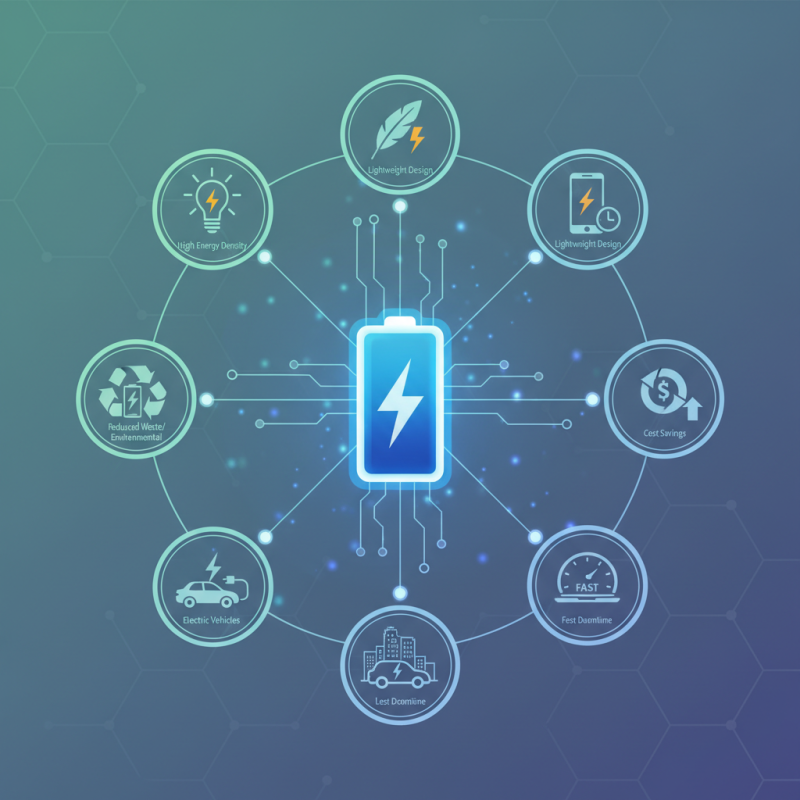
Lithium batteries have revolutionized modern technology, becoming essential in our daily lives. Their lightweight design and high energy density make them ideal for various applications. From smartphones to electric vehicles, these batteries are everywhere, powering devices that we rely on.
One key benefit of lithium batteries is their longevity. They typically last longer than traditional batteries, reducing waste and replacement costs. However, it is important to remember that their performance can decline over time. Users need to be aware of this limitation and manage battery health effectively.
Moreover, lithium batteries are known for their fast charging capabilities. This means less downtime for devices, allowing for a more efficient lifestyle. Still, not all lithium batteries are created equal. Some may not charge as quickly or last as long. As technology progresses, understanding these nuances becomes crucial for consumers looking to maximize the benefits of lithium batteries in their everyday tech.
Benefits of Lithium Batteries in Energy Density and Performance Enhancement
Lithium batteries significantly enhance energy density, leading to improved performance across various technologies. Their ability to store more energy in smaller packages makes them ideal for portable devices. This is crucial for smartphones, laptops, and electric vehicles where space and weight are paramount. A compact battery does not just save space; it also opens new design possibilities for manufacturers.
Moreover, lithium batteries have a longer lifespan compared to traditional battery technologies. They can endure numerous charge cycles without significant capacity loss. This durability is especially beneficial for renewable energy systems, where battery longevity translates to lower costs over time. However, environmental concerns surrounding lithium extraction and disposal merit consideration.
Innovation continues to evolve in the lithium battery space. Researchers are exploring new materials and technologies to enhance safety and sustainability. As the demand for energy-efficient solutions grows, challenges such as recycling and ethical sourcing of lithium remain pressing. Continuous improvement in these areas is essential for the future of battery technology.
Impact of Lithium Batteries on Device Weight and Portability
Lithium batteries have transformed modern technology, especially regarding device weight and portability. These lightweight power sources have enabled manufacturers to design thinner and lighter devices. From smartphones to laptops, lithium batteries generally weigh much less than traditional battery types. For instance, a smartphone powered by lithium can be reduced by at least a few ounces compared to older battery technologies.
The impact on portability is significant. Users now have devices that are easy to carry. Imagine a laptop that fits comfortably in your bag without weighing you down. Some may argue that lighter devices can compromise battery life. While this can be true, advancements in lithium battery technology often lead to better energy density. Devices can remain compact while still providing sufficient power for daily use.
However, challenges remain. The production of lithium batteries raises environmental concerns. There are also issues related to battery lifespan and the need for recycling. It’s crucial to balance the benefits of portability against these environmental impacts. Users must weigh these factors when selecting devices powered by lithium batteries. The innovation in power technology brings both convenience and responsibility.
The Role of Lithium Batteries in Renewable Energy Storage Solutions
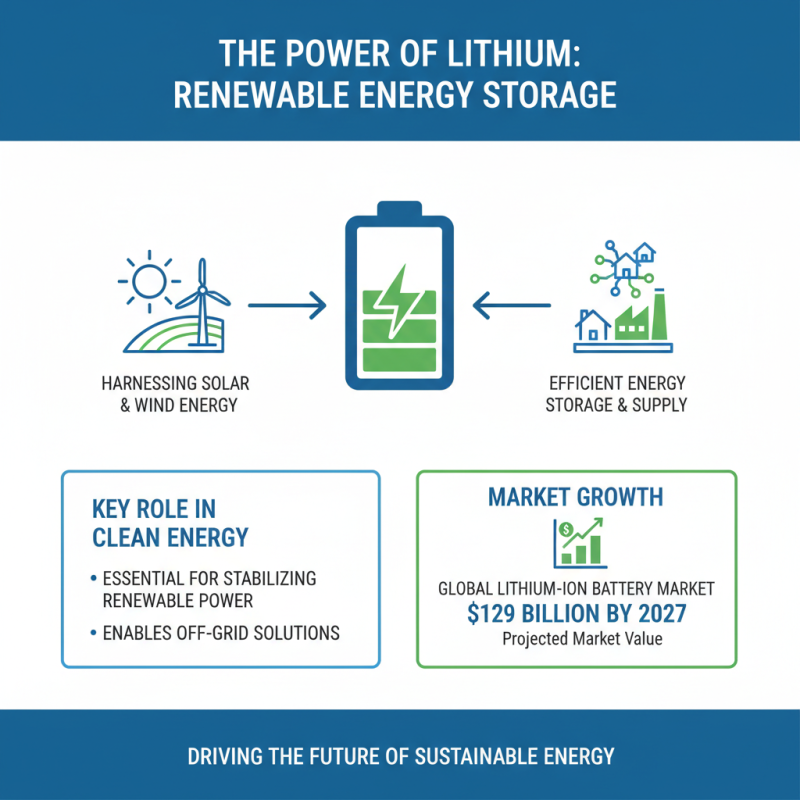
Lithium batteries play a crucial role in renewable energy storage. They are a key component in harnessing solar and wind energy efficiently. Reports indicate that the global lithium-ion battery market is expected to reach $129 billion by 2027. This growth reflects the increasing demand for clean energy solutions.
Lithium batteries can store excess energy generated from renewable sources. When the sun isn’t shining or the wind isn’t blowing, stored energy can be released. This versatility makes them essential for a reliable energy supply. However, the environmental impact of lithium mining raises concerns. Sustainable mining practices are needed to minimize ecological damage.
Current storage technologies often struggle with energy density. Lithium batteries excel in this area, offering higher energy storage per unit weight. Despite advancements, recycling remains a challenge. Not all batteries are disposed of responsibly, leading to resource waste. The industry must focus on improving recycling methods to enhance sustainability.
Lithium Battery Lifespan and Sustainability Compared to Other Batteries
Lithium batteries are known for their impressive lifespan and sustainability. Compared to traditional batteries, they often last longer, enhancing user experience. Many lithium batteries can endure over 2,000 charge cycles. This far exceeds the lifespan of nickel-cadmium or lead-acid batteries, making them a preferred choice for various applications.
However, the production of lithium batteries involves environmental considerations. Mining lithium can lead to land degradation. It's vital to balance battery performance with ecological impact. Each user should think about the end-of-life for their batteries. Recycling programs are emerging to minimize waste. Proper disposal helps conserve resources and reduces environmental footprints.
Tips: When choosing a battery, consider longevity. Longevity means fewer replacements. Investigate recycling options for used batteries. They can be repurposed, increasing sustainability. Also, be aware of the environmental impact of production. Opting for batteries with lower ecological footprints can contribute to a greener future.
Top 10 Benefits of Lithium Batteries for Modern Technology Usage
| Benefit |
Description |
Lifespan (Cycles) |
Sustainability |
| High Energy Density |
Lithium batteries can store more energy per unit weight. |
3000-5000 |
Good |
| Long Cycle Life |
They withstand more charge and discharge cycles compared to other batteries. |
3000-5000 |
Moderate |
| Low Self-Discharge Rate |
They lose charge at a slower rate when not in use. |
3000-5000 |
Good |
| Lightweight |
Ideal for portable devices due to their light mass. |
3000-5000 |
Moderate |
| Fast Charging |
They can be charged quickly, reducing downtime. |
3000-5000 |
Good |
| Versatility |
Used in various applications, from gadgets to electric vehicles. |
3000-5000 |
Good |
| Environment Friendly |
Less harmful materials compared to other battery types. |
3000-5000 |
High |
| No Memory Effect |
Can be charged anytime without affecting lifespan. |
3000-5000 |
Good |
| Performance in Low Temperatures |
Retain functionality in colder climates better than many others. |
3000-5000 |
Moderate |
| Enhanced Safety Features |
Designed with protections against overheating and overcharging. |
3000-5000 |
Good |
Cost Efficiency of Lithium Batteries in Long-Term Usage and Maintenance
Lithium batteries have become essential in modern technology. Their cost efficiency is notable in long-term usage and maintenance. According to industry reports, lithium-ion batteries typically outlast their alternatives by two to three times. This extended lifespan significantly reduces replacement costs.
A study by the International Energy Agency highlights that lithium batteries can deliver up to 3000 cycles. When a battery lasts this long, users incur fewer expenses over time. Maintenance costs are also lower compared to lead-acid or nickel-metal hydride batteries. Lithium batteries require minimal upkeep, which is a huge plus for both consumers and businesses.
However, there are challenges. Lithium extraction can be environmentally taxing. The production process may lead to increased costs in the future. As demand grows, prices may fluctuate. Awareness of these variables is crucial for effective budgeting. The overall value of lithium batteries remains high, but future shifts in the market could impact long-term plans.

 +86-13928815851
 CONTACT NUMBER
 CONTACT NUMBER