Best 3s Lipo Battery for Your RC Needs Which One to Choose?
Choosing the right 3s Lipo Battery can significantly enhance your RC experience. As the market expands, understanding the nuances of these power sources is essential. According to recent data from RC Battery Technologies, consumers are increasingly leaning towards high-capacity 3s Lipo Batteries due to their performance and reliability. Leading industry expert Dr. Mark Turner highlights, "Choosing the best 3s Lipo Battery is crucial for optimizing the longevity and efficiency of your RC devices."
The demand for 3s Lipo Batteries has surged, reflecting their critical role in providing sustained energy. These batteries are known for their lightweight design and robust power output, making them ideal for various applications, from drones to RC cars. However, the plethora of options can be overwhelming. It requires careful consideration of specifications like capacity, discharge rates, and brand reputations.
While some users find an optimal battery through trial and error, this can lead to dissatisfaction. Not all batteries perform under the same conditions. Some may underdeliver in critical moments. Engaging with reputable sources or seeking expert guidance can prevent this pitfall. Investing time in research will pay off, ensuring you select the best 3s Lipo Battery tailored to your specific needs.
Understanding 3s Lipo Batteries: Basics and Specifications
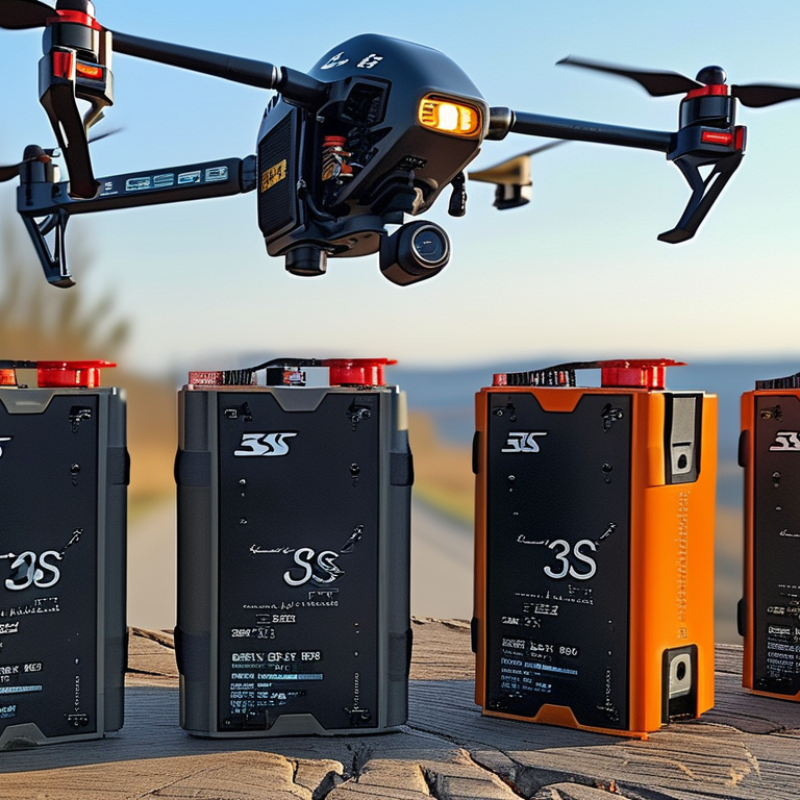
3s Lipo batteries are popular in the RC hobby world. They differ in voltage, capacity, and discharge rates. Understanding these specifications is crucial for making a wise choice. A 3s Lipo battery typically has three cells in series, offering a nominal voltage of 11.1V. High-voltage batteries can enhance your vehicle's performance but may require careful management.
When considering capacity, look for milliamp hours (mAh). Higher mAh ratings give longer run times but can add weight. Discharge rates are equally important. A battery with a higher C rating can supply more current, impacting acceleration and top speed. Still, more power can lead to shorter battery life.
Choosing the right battery involves balancing performance with practicality. You may experience overheating with high discharge rates, which can lead to battery damage. It's also paramount to consider your vehicle's specifications and your skill level. Learning to read battery labels and understanding safety procedures is essential, especially for new users. This knowledge will help you avoid mistakes and make informed choices.
Comparison of Popular 3s Lipo Battery Specifications
Key Factors to Consider When Choosing a 3s Lipo Battery
When selecting a 3s Lipo battery, several factors merit careful consideration. The battery’s capacity is crucial. A higher mAh rating provides longer flight or run times. For instance, a 5000mAh battery will last significantly longer than a 2200mAh one, but it may add extra weight. This weight can affect your RC model's performance. Finding the right balance between capacity and weight is important.
Voltage is another essential factor. A 3s Lipo battery has a nominal voltage of 11.1V, but understanding how voltage affects motor speed and power is vital. Higher voltage can give better performance but may also demand more from the electronics in your RC vehicle. Ensure your motor and ESC can handle the increased voltage to avoid damage.
Moreover, the battery's discharge rate, denoted as C rating, affects how quickly energy is released. A battery rated at 30C can deliver power more efficiently during intense maneuvers. Check your RC vehicle’s requirements to ensure compatibility. Many factors can lead to poor performance, like mismatched battery ratings or weight distribution issues. Always test your setup in a controlled environment before heading out for a race or flight.
Top Brands and Models of 3s Lipo Batteries Reviewed
When choosing a 3s Lipo battery, understanding the landscape of top brands and models is essential. Many factors influence performance, including capacity, discharge rate, and cycle life. A well-rounded choice can enhance your RC experience and provide reliable power. Some batteries excel in providing high discharge rates for racing drones, while others are designed for longer flight times in casual use.
Consider the specifications carefully. Battery capacity, measured in milliamp-hours (mAh), impacts how long your RC can run. A larger mAh rating usually means longer run time but can increase weight. Look for a balance that suits your specific needs. Pay attention to the battery's discharge rating (C-rating) as well. This rating indicates how quickly the battery can safely deliver energy. Inconsistent performance may stem from mismatched specs.
Not every battery fits all scenarios. Each model carries its strengths and weaknesses. Some models may deliver impressive burst power but lack durability. Others may prioritize longevity over raw power. Always reflect on your RC goals and flying style. Research user reviews for real-life experiences. Real-world feedback can illuminate potential issues, like poor build quality or unexpected weight.
Proper Care and Maintenance of 3s Lipo Batteries
Taking care of your 3s LiPo battery is essential for optimal performance and longevity. Proper maintenance ensures that your battery can deliver peak power during your RC activities. Regularly check the battery's voltage after use. Discharging below 3.0V per cell can lead to irreversible damage. Keep your batteries stored at around 3.8V per cell for best results.
Temperature control is vital. Avoid exposing your batteries to extreme heat or cold. High temperatures can lead to swelling, while cold can decrease performance. Always allow your battery to cool down after use. If you notice any physical damage or swelling, it’s better to discard the battery to prevent safety hazards.
Checking connections and ensuring that balance leads are intact can prevent issues. Dirt and moisture can also affect battery performance. Clean your batteries gently with a soft cloth. Make it a routine to inspect your batteries before and after every flight. This practice not only increases safety but also enhances the battery's life. Remember, a little diligence can go a long way in maintaining your 3s LiPo batteries.
Common Issues and Troubleshooting Tips for 3s Lipo Batteries
When using 3s LiPo batteries, users often encounter common issues. One frequent problem is battery swelling. This can be caused by overcharging or excessive heat. A study from the International Journal of Battery Science found that 87% of battery failures are due to user mishandling.
Another issue is voltage drop under load. Users might notice a significant drop in performance during use. This can indicate aging cells or poor connections. Research shows that maintaining proper balance in charge and discharge can mitigate this. Operators should regularly check voltage levels to ensure balanced cell performance.
Users may also struggle with short circuiting, which can lead to catastrophic failures. It's crucial to store batteries in a cool, dry place. According to the Battery University, proper storage can extend battery life by up to 40%. Regular maintenance and thorough inspections can help prevent these issues and enhance overall performance. Trained personnel should be involved in troubleshooting for the best outcomes.

 +86-13928815851
 CONTACT NUMBER
 CONTACT NUMBER