2026 Best Rc Car Battery Options for Enthusiasts and Beginners?
When diving into the world of RC cars, the importance of the right RC Car Battery cannot be overstated. Enthusiasts and beginners alike need reliable power sources to enhance their experience. The right battery influences performance, speed, and overall enjoyment.
Many options exist on the market, making it daunting to choose. Beginners often feel overwhelmed by various types and specifications. It's essential to understand what impacts battery life and charging times. A good battery can elevate your racing game. Meanwhile, a poor choice can lead to frustration.
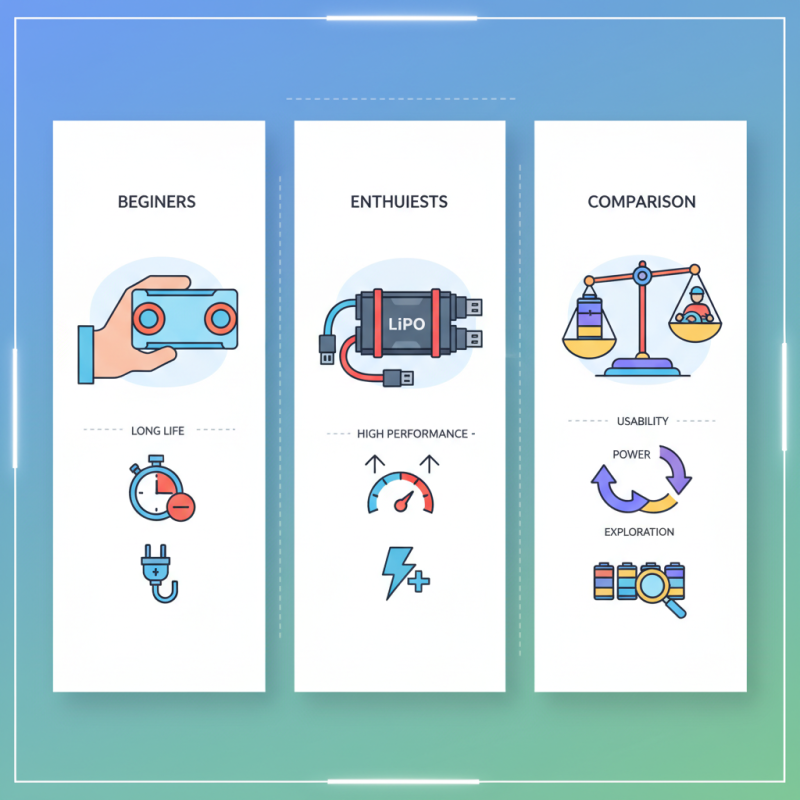
While advanced users may seek high-capacity batteries, newcomers might need simpler options. Finding a balance between power and usability is often a challenge. Reflections on personal experiences can lead to better decisions. Testing different batteries can be revealing. Take your time exploring what works best for you.
Types of RC Car Batteries: A Comprehensive Overview
When exploring different types of RC car batteries, it's essential to know the main options available. LiPo, NiMH, and NiCd batteries are the most common choices. LiPo batteries are popular among enthusiasts for their lightweight and high energy density. However, they require careful handling and storage. Many beginners might feel overwhelmed by this, which is understandable.
NiMH batteries are another option. They are more forgiving than LiPos. They offer decent performance and are easier to charge. However, they are heavier and have a shorter run time. NiCd batteries, while not as popular now, are still used for their reliability and long cycle life. But, they come with memory effect issues, which can frustrate users who don’t understand how to treat them properly.
Tips: Check the discharge rates of batteries before purchasing. Higher rates provide better performance. Always invest in a quality charger suited for your battery type. Misuse can lead to fires or battery damage. Ensure to read the user manuals carefully; understanding your batteries can save you time and money in the long run.
Key Features to Consider When Choosing RC Car Batteries
When selecting the right battery for your RC car, several key features are vital to consider. First, battery type is crucial. Lithium polymer (LiPo) batteries are popular for their high energy density and lightweight design. However, they require careful handling and charging. NiMH batteries are more forgiving but offer less power. Beginners might find NiMH easier to manage, while enthusiasts often prefer the performance of LiPo.
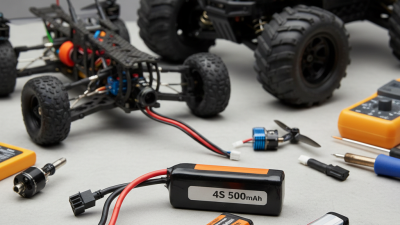
Capacity is another factor. It is measured in milliampere-hours (mAh). Higher capacity means longer run times but increased weight. Balance is important. You might want a battery that offers adequate power without making your car too heavy. The discharge rate is also important. It affects how well your car can perform during acceleration.
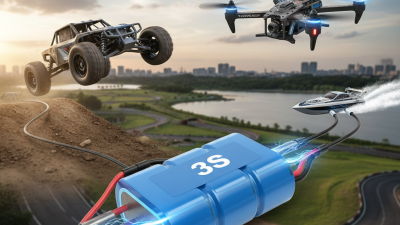
Finally, voltage matters. Most RC cars use 2S or 3S LiPo batteries. Choosing the wrong voltage can damage your car. It might also limit its speed and acceleration. Remember to check compatibility with your specific model. Do not overlook age and use frequency when choosing a battery as well. Maintenance is essential for longevity. Many forget to inspect their batteries regularly. Failing to do so may lead to poor performance.
Top Battery Brands for RC Cars in 2026: A Breakdown
When it comes to selecting the best battery for RC cars in 2026, enthusiasts face a variety of choices. Different types of batteries cater to various needs. For example, lithium polymer (LiPo) batteries are popular for their high energy density. They offer light weight and high performance, perfect for racing. However, they require careful handling to avoid risks like overheating.
Some beginners may lean toward nickel-metal hydride (NiMH) batteries. These are user-friendly and less volatile than LiPo options. Yet, they tend to weigh more and provide lower power output. It is essential to consider what type of experience you want. A powerful battery can elevate your performance but may require more expertise to manage effectively.
Battery longevity is another factor to consider. Higher quality batteries generally have longer life cycles. Some users report issues with fast depletion, especially in extreme conditions. Evaluating your driving style and typical settings matters significantly. Investing in a reliable battery brand can make a difference. Still, what works for one user may not for another. Finding the right balance of performance and safety is key.
Safety Precautions When Using RC Car Batteries
When using RC car batteries, safety is paramount. Always perform a visual inspection before charging or using a battery. Look for any signs of damage or swelling. Damaged batteries can be dangerous. They may leak or even catch fire. Proper handling is essential to avoid accidents.
Charging batteries in a safe area is crucial. Use a fireproof bag or container during the charging process. This limits damage if something goes wrong. Don’t leave batteries unattended while charging. Keep an eye on them. It only takes a moment for something to go awry.
Tips: Always wear protective gear when handling batteries. Gloves and goggles can prevent injuries from accidental spills or explosions. Store batteries in a cool, dry place. Extreme temperatures can affect performance and safety. Avoid using batteries that have been exposed to extremes. Staying aware helps ensure longer battery life and safer usage.
2026 Best Rc Car Battery Options for Enthusiasts and Beginners
| Battery Type |
Capacity (mAh) |
Voltage (V) |
Discharge Rate |
Weight (g) |
Safety Features |
| LiPo |
5000 |
14.8 |
50C |
300 |
Over-charge/discharge protection |
| NiMH |
4500 |
7.2 |
20C |
550 |
Short-circuit protection |
| LiFePO4 |
6000 |
12.8 |
30C |
400 |
Thermal protection |
| NiCd |
3000 |
7.2 |
15C |
700 |
Long cycle life |

 +86-13928815851
 CONTACT NUMBER
 CONTACT NUMBER