China Top 3s Lipo Battery for Global Buyers How to Choose?
In the world of electric hobbies and devices, the 3s Lipo Battery has become increasingly popular. Reports indicate that the global market for lithium polymer batteries is projected to grow at a CAGR of 12.3% from 2021 to 2026. This growth reflects the rising demand for high-performance batteries in various applications, including drones, remote control vehicles, and portable electronics.
A leading expert in battery technology, Dr. Emily Chen, emphasizes the importance of choosing the right battery. She states, "Selecting a suitable 3s Lipo Battery can enhance performance and lifespan significantly." However, buyers often face challenges in making informed decisions. Many overlook critical aspects, such as discharge rates and capacity ratings. These factors can greatly affect performance and safety.
It's crucial for global buyers to understand their specific needs when selecting a 3s Lipo Battery. Not all batteries are created equal, and poor choices can lead to dissatisfaction. Many users report issues due to insufficient knowledge. As interest in electric devices continues to rise, so does the need for reliable information on battery choices.

Understanding Lipo Batteries: An Overview of Technology and Types
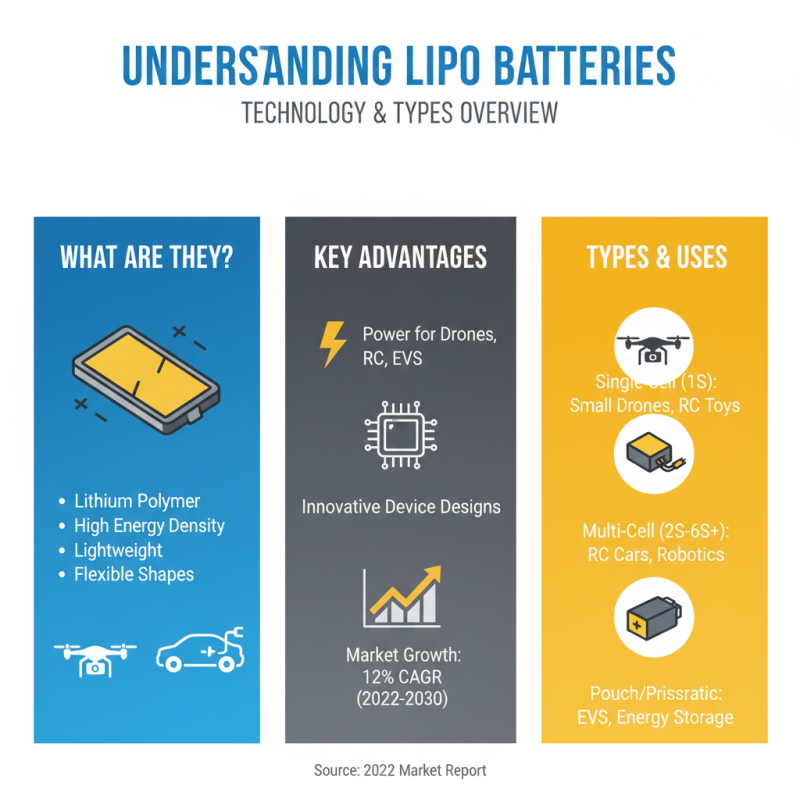
Lipo batteries, or lithium polymer batteries, are crucial for various applications, from drones to electric vehicles. They offer high energy density and lightweight design, making them popular among enthusiasts and manufacturers alike. The technology behind Lipo batteries allows for flexible shapes and sizes, enabling innovative designs in electronic devices. According to a 2022 market report, the Lipo battery market is expected to grow at a CAGR of 12% until 2030.
When choosing a Lipo battery, understanding its types is vital. There are three main types: the soft case, hard case, and flexible Lipo batteries. Soft case batteries are lightweight and best for drones. Hard case batteries provide more protection but are bulkier. Flexible batteries offer the most design options but require careful handling. Evaluating your needs can help in selecting the right type.
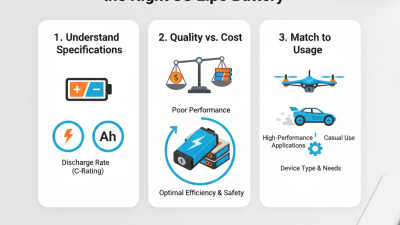
Tip: Always check the battery's C-rating, which indicates its discharge rate. A higher C-rating means more power and better performance. Also, remember to consider the voltage. Lipo batteries come in various cell configurations, such as 2S, 3S, and 4S. More cells generally provide higher voltage but increase weight. Ensure that the battery fits your device's specifications.
It's important to be aware of safety practices. Lipo batteries can be sensitive to overcharging and punctures. They need proper storage and handling to avoid damage. Regularly checking for swelling or damage can prolong their lifespan.
Key Factors to Consider When Choosing a Lipo Battery for Specific Uses
When choosing a LiPo battery, several key factors demand attention. First, consider the battery's capacity, measured in milliamp-hours (mAh). A higher capacity means longer run times. However, larger size and weight can become concerns for portable devices. For example, a battery rated at 5000 mAh can provide substantial power, but it may not fit all applications. Balancing power and size is essential.
Voltage ratings also play a crucial role. A standard LiPo battery often has a nominal voltage of 3.7V. Understanding your device's specifications can prevent mismatches. Devices typically require specific voltages for optimal performance. Choosing a battery that aligns with these requirements enhances reliability.
**Tips:** Always check the discharge rate (C-rating). A higher C-rating ensures your battery can handle intense bursts of power without damage. Additionally, pay attention to the battery's cycle life. Batteries with a cycle life of over 300 charges are generally more cost-effective.
Lastly, consider temperature range. Extreme conditions can affect performance. Some batteries function well in low temperatures, while others may not. Researching specific battery models can provide insight into their operational reliability under various conditions. Be prepared to weigh these factors carefully, as each application can demand a unique balance between specifications.
China Top 3s Lipo Battery for Global Buyers: How to Choose? - Key Factors to Consider When Choosing a Lipo Battery for Specific Uses
| Parameter |
Description |
Recommended Value |
| Capacity (mAh) |
Total charge capacity, determining how long the battery can power the device. |
2200 - 5000 |
| Voltage (V) |
Nominal voltage; for 3s, it typically has a nominal voltage of 11.1V. |
11.1 |
| Discharge Rate (C) |
Rate at which the battery can discharge its energy safely, higher values suitable for high-performance applications. |
20C - 60C |
| Weight (g) |
Weight of the battery which can affect the overall performance of the device if too heavy. |
200 - 400 |
| Size (mm) |
Dimensions of the battery, critical to ensure it fits the device. |
150 x 50 x 20 |
| Cycle Life |
Number of charge/discharge cycles the battery can endure before performance declines. |
300 - 500 |
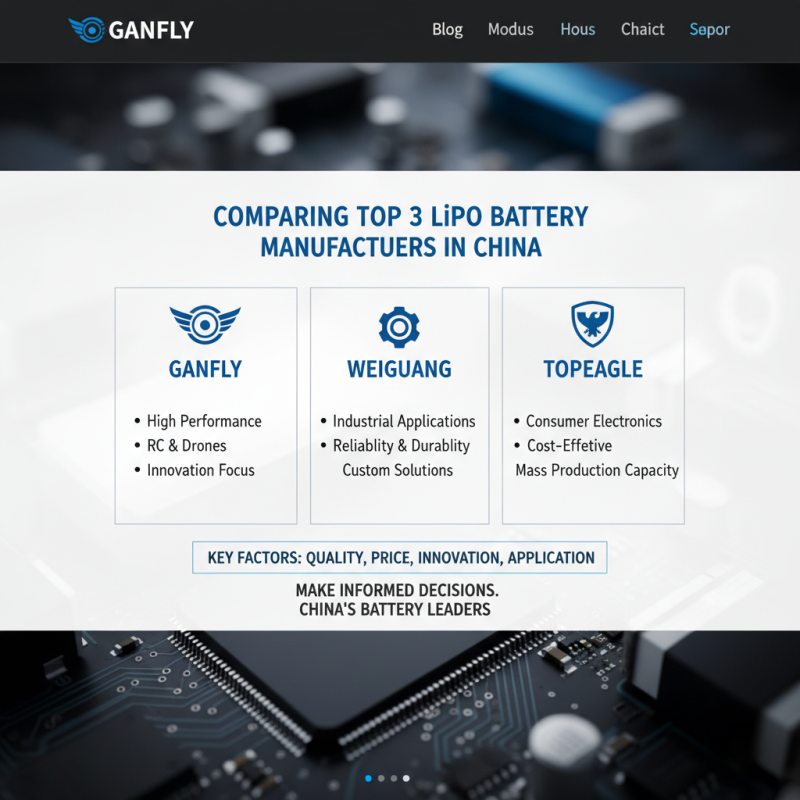
Comparing the Top 3 Lipo Battery Manufacturers in China
When choosing a lipo battery, buyers must consider various factors. China is home to top manufacturers that provide quality products. Understanding these companies can aid in making informed decisions.
Many manufacturers focus on battery chemistry and construction. Some utilize advanced technology, ensuring longer life cycles. Others prioritize safety features to minimize risks. Quality checks are essential before production. Buyers need to research these processes. Not all manufacturers disclose their testing methods.
Price is not always a reflection of quality. Higher costs may come from superior materials or technologies. However, some affordable options prove reliable. It's crucial to read reviews and customer feedback. Custom solutions are available, which may fit specific needs. Remember, not every manufacturer has the same reputation. Investigate their industry history before purchasing.
Evaluating Battery Performance: Capacity, Voltage, and Discharge Rates
When selecting a lipo battery, three key performance indicators stand out: capacity, voltage, and discharge rates. Capacity refers to how much energy the battery can store, usually measured in milliamp-hours (mAh). A higher capacity means longer usage time. However, it can also lead to increased weight. This is an important consideration for mobile applications.
Voltage is another critical factor. It indicates the potential difference and influences the overall cell performance. Most lipo batteries come in standard voltages. Choose one that matches your device specifications to avoid performance issues. If you use a battery with too high a voltage, it may damage your device.
Discharge rates show how quickly a battery can deliver energy. Higher discharge rates allow for bursts of power. This is crucial for applications requiring a lot of energy in short bursts. However, higher rates can lead to heat generation. Always monitor temperatures during use.
**Tips:** When purchasing, consider your specific needs. Check reviews from trusted sources. Pay attention to user experiences to learn about long-term performance reliability. Quality may vary, so do your research before deciding.
Tips for Sourcing and Purchasing Lipo Batteries from Global Suppliers
When sourcing LiPo batteries from global suppliers, understanding your specific needs is crucial. Start by determining the battery specifications required for your application, such as voltage, capacity and discharge rates. This ensures compatibility with your devices. Research the different chemistries available, as each offers unique advantages. For instance, some may have higher energy density, while others might be more stable.
Quality is key when purchasing LiPo batteries. Always seek suppliers who can provide certifications and testing results. This demonstrates their adherence to industry standards. Don't hesitate to ask about their manufacturing processes. A reputable supplier should welcome these inquiries.
Look for reviews and testimonials from previous customers. This can give you insight into the supplier’s reliability and service quality. Be aware that not all suppliers will meet your expectations. Some may compromise on quality or delivery times. Taking the time to vet suppliers carefully can save you from unexpected issues down the line.
Top 3 Lipo Battery Types Sourcing Guide
This chart illustrates the three most popular Lipo battery types among global buyers, showcasing their average cell voltage, capacity (mAh), and discharge rate (C). These metrics are essential for sourcing the right Lipo batteries to meet specific needs.

 +86-13928815851
 CONTACT NUMBER
 CONTACT NUMBER