Why Choose 3s Lipo Battery for Your RC Needs?
When it comes to remote control (RC) vehicles, choosing the right battery is crucial. Among various options available, the 3s Lipo battery stands out. It offers a perfect balance of performance, weight, and efficiency. The "3s" indicates the three cells connected in series, delivering higher voltage. With a standard 11.1 volts, this battery energizes your RC cars, planes, or drones effectively.
3s Lipo batteries are known for their impressive energy density. They provide more power in a smaller package. Pilots and racers often prefer them for extended run times and powerful bursts. However, beginners may find them tricky to manage. Overcharging or incorrect storage can lead to failures. Understanding these aspects is essential for safe usage.
Moreover, the 3s Lipo battery's performance excels in demanding situations. It ensures quick acceleration and smoother handling. Yet, with great power comes great responsibility. Reflecting on optimal charging habits and maintenance is necessary. It can make a significant difference in longevity. Choosing wisely can transform your RC experience for the better.
Benefits of 3s Lipo Batteries for Remote Control Vehicles
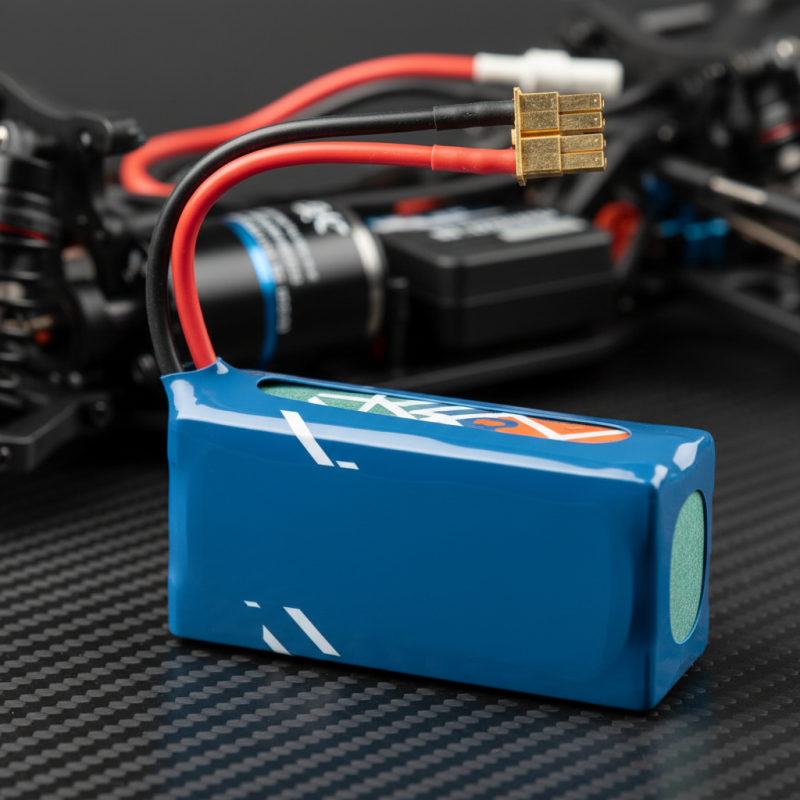
When it comes to remote control vehicles, the choice of battery can make or break your experience. A 3s LiPo battery stands out due to its higher voltage compared to standard packs. With three cells connected in series, these batteries provide up to 11.1 volts. This extra power translates into faster speeds and improved acceleration, enhancing the thrill of driving.
Besides performance, 3s LiPo batteries are lightweight. This feature is crucial in the world of RC vehicles. Reduced weight means better handling and maneuverability on the track. However, they require careful management. Overcharging or discharging too much can lead to damage, and users must understand these risks.
Battery life is another consideration. While 3s LiPo batteries can deliver impressive run times, they require proper care for longevity. Ensuring they are balanced charged and stored correctly is essential. This can be daunting for newcomers but is part of the learning curve. The benefits are evident, making it worthwhile for dedicated enthusiasts. The trade-off between performance and maintenance is an ongoing discussion. Each user must weigh their options carefully.
Understanding the Technical Specifications of 3s Lipo Batteries
When it comes to choosing a lipo battery for RC needs, understanding technical specifications is critical. A 3s lipo battery consists of three cells connected in series. Each cell has a nominal voltage of 3.7V. So, a 3s lipo battery delivers 11.1V when fully charged. This higher voltage offers enhanced power. It’s suitable for various applications, from drones to RC cars.
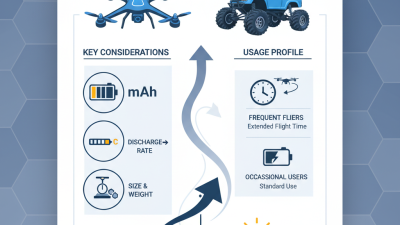
Battery capacity is another important factor. Measured in milliamp hours (mAh), it indicates how long a battery will last under use. A larger mAh rating means longer flying or driving time. However, larger batteries add weight. This can affect the performance of your RC vehicle, especially in speed and maneuverability. It's essential to find a balance between capacity and weight.
C-rate is also a critical specification. It indicates how fast a battery can be charged or discharged. A higher C-rate means more power can be drawn more quickly, which is ideal for high-performance models. However, managing heat during heavy use is vital. Overheating can damage the battery and reduce its lifespan. Always monitor performance closely when pushing boundaries, as this can lead to unexpected failures.
Choosing the right 3s lipo battery requires careful consideration of these elements. Understanding their specifications allows you to make informed decisions for optimal performance.
Performance Comparison of 3s Lipo Batteries
Comparison of 3s Lipo Batteries with Other Battery Types
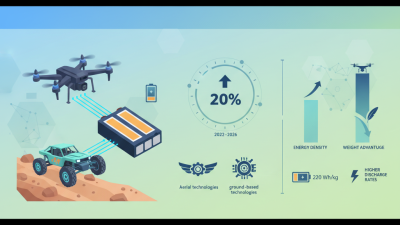
When considering RC batteries, 3s LiPo batteries stand out. They have a higher energy density than NiMH or NiCd batteries. Research shows that LiPo batteries deliver about 150-200 Wh/kg compared to only 60-120 Wh/kg for NiMH. This means longer run times for your RC vehicles.
3s LiPo batteries also have a lower internal resistance. This results in more efficient power delivery. Studies indicate that LiPo batteries can handle continuous discharge rates of up to 30C or more. In contrast, NiMH batteries typically reach a maximum of 1-3C. The faster discharge allows for quicker acceleration in RC cars.
However, 3s LiPo batteries require careful handling. They are more sensitive to overcharging or deep discharging. This can lead to performance issues or even damage. Proper balancing during charging is essential to ensure longevity. Understanding these traits is vital for optimal use.
Why Choose 3s Lipo Battery for Your RC Needs? - Comparison of 3s Lipo Batteries with Other Battery Types
| Battery Type |
Voltage (V) |
Capacity (mAh) |
Weight (g) |
Discharge Rate (C) |
Estimated Life Span (Cycles) |
| 3s Lipo |
11.1 |
2200 |
200 |
30 |
300 |
| 2s Lipo |
7.4 |
3000 |
200 |
20 |
250 |
| NiMH |
7.2 |
3300 |
300 |
10 |
500 |
| LiFePO4 |
12.8 |
2600 |
300 |
15 |
2000 |
Best Practices for Maintaining and Charging 3s Lipo Batteries
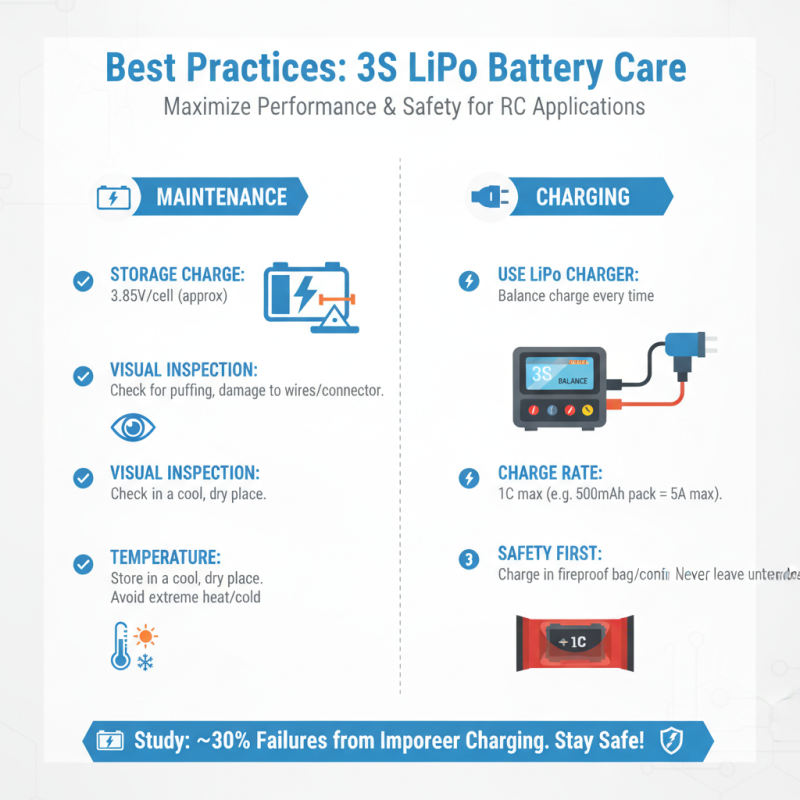
Maintaining and charging 3s Lipo batteries is crucial for optimal performance in RC applications. These batteries offer high energy density, making them popular among hobbyists. However, mishandling can lead to serious issues. A study indicated that nearly 30% of battery failures result from improper charging techniques. Adhering to best practices can significantly extend battery life and enhance safety.
When charging, it’s essential to use a reliable balance charger designed for Lipo batteries. This helps ensure each cell charges evenly. Uneven charging can cause cell discrepancies, reducing capacity. According to industry standards, charging at a rate of 1C is advisable for most users. For instance, if your battery is 3000mAh, the ideal charging rate would be 3A. Many enthusiasts overlook this, leading to potential hazards.
Storage also affects battery health. Keeping the batteries at around 3.7V per cell during long-term storage can prevent degradation. A report highlighted that batteries stored at full charge lose around 20% of their capacity within a month. Regularly checking for puffs or swelling is essential, as physical deformities can indicate internal damage. Users should be vigilant and sometimes reevaluate their storage practices. Consistent attention to these details leads to safer and more reliable battery performance.
Safety Considerations When Using 3s Lipo Batteries for RC Applications
When considering 3s LiPo batteries for RC applications, safety should be paramount. These batteries, known for high energy density and lightweight, can also be hazardous if not handled properly. Data from the National Fire Protection Association shows that lithium battery fires account for about 21% of electrical fires in structures. Proper awareness is crucial to mitigating these risks.
Users must understand the importance of balance during charging and discharging. Overcharging can lead to thermal runaway, a process that results in flames or explosions. According to the U.S. Consumer Product Safety Commission, approximately 5,000 fire incidents are related to lithium batteries each year. This stark fact indicates the necessity for users to employ smart chargers and understand cell balancing.
In addition to battery management, storage practices matter significantly. Keeping batteries in a cool, dry place reduces the risk of hazards. Storing them in fireproof bags can offer an extra layer of protection. Regularly checking battery health is wise. An inconsistent voltage reading could indicate a failing cell, which should not be ignored. Implementing these safety measures can help ensure a positive experience with 3s LiPo batteries while reducing potential risks.

 +86-13928815851
 CONTACT NUMBER
 CONTACT NUMBER