How to Choose the Right 2s Lipo Battery for Your Needs?
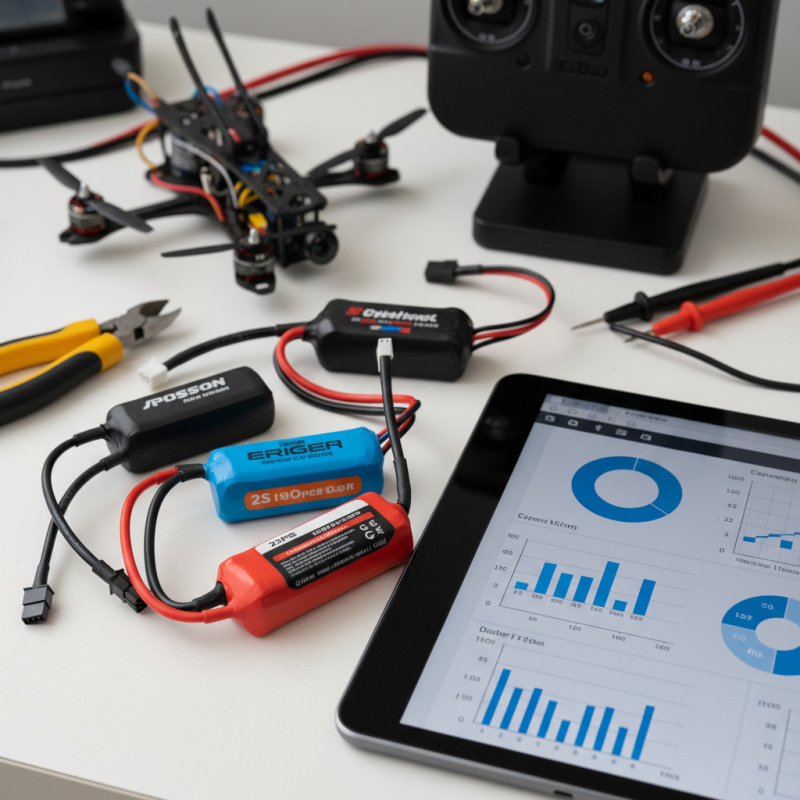
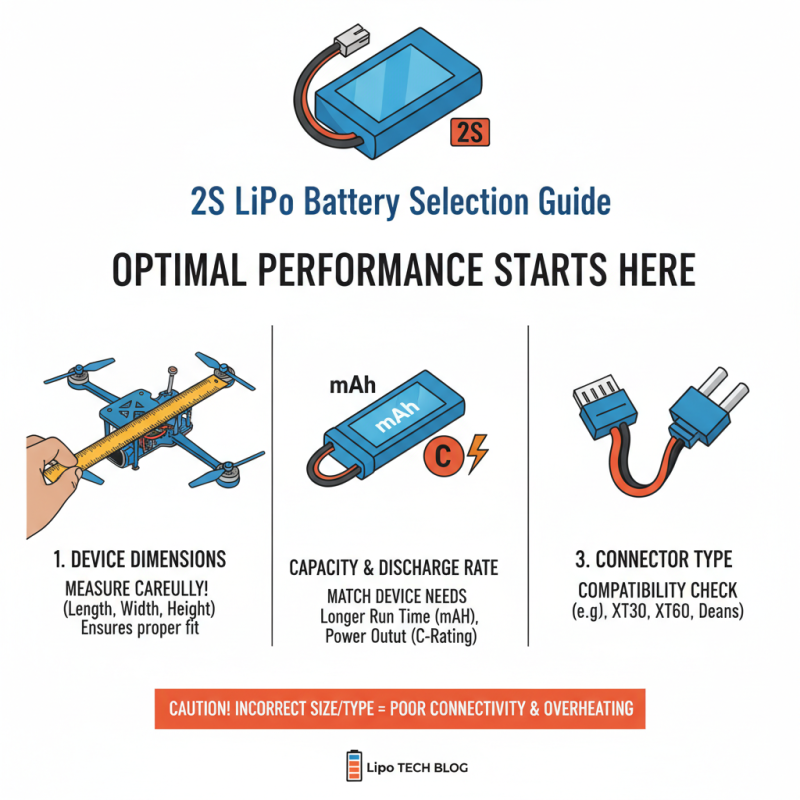
Choosing the right 2s Lipo battery can be challenging. Many options exist, each with unique features. What suits one drone might not work for another. Understanding battery specifications is crucial.
A 2s Lipo battery offers a balance of power and weight. Factors like voltage, capacity, and discharge rates greatly impact performance. Many people overlook these details, leading to poor choices.
Consider your needs carefully. Do you fly for fun or competition? Each scenario requires different power levels. Reflect on your equipment and usage patterns. The right 2s Lipo battery enhances your experience, but one wrong choice can lead to disappointment.
Understanding the Basics of 2s Lipo Batteries
When choosing a 2s Lipo battery, understanding its key features is essential. A 2s configuration means it has two cells in series. This provides a nominal voltage of 7.4V. Ensure this voltage matches your device's requirements. If the voltage is too high or low, your equipment could fail.
Amp hour (Ah) ratings tell you how long the battery can run before needing a recharge. Higher Ah ratings mean longer usage. But keep in mind that larger batteries add weight. This can affect performance, especially in drones or RC cars. Balancing size and weight takes some time to figure out. It’s not always straightforward.
It's crucial to consider discharge rates, measured in C ratings. A battery with a higher C rating can deliver more power quickly. However, using a battery beyond its limits can shorten its lifespan. Always refer to the recommended specs of your device. This is where trial and error comes in. You may not get it right on the first try.
Battery Capacity Comparison for 2s Lipo Batteries
Evaluating Battery Specifications: Voltage, Capacity, and Discharge Rate
When selecting a 2s LiPo battery, understanding key specifications is vital. Voltage is crucial. A typical 2s LiPo has a nominal voltage of 7.4V. However, fully charged, it reaches around 8.4V. For specific applications, this can influence performance significantly. In drone technology, for example, slight voltage variations can affect flight time and control stability.
Capacity, measured in milliamp hours (mAh), determines how long your battery can power your device. A common configuration might be 2200mAh, allowing a decent flight duration. However, batteries with higher capacities can add weight. This may affect maneuverability. Studies show that a lighter setup can improve agility by up to 25%. Assess your needs carefully.
Discharge rate matters too. Expressed as C ratings, this indicates how quickly a battery can release its energy. A typical rating might be 20C, meaning it can safely discharge at 44A. But beware. Higher discharge rates can generate excess heat, impacting battery life. Some hobbyists have faced rapid wear, leading to early failures. It's essential to match the C rating with your equipment's requirements.
Comparing Brands and Quality for Optimal Performance
When selecting a 2s LiPo battery, understanding the differences in brands and quality is crucial. Not all batteries are created equal. Some brands prioritize performance, while others focus on affordability. It's essential to consider what you need from a battery. Are you looking for long flight times, or is burst performance more important?
Look closely at specifications such as discharge ratings and capacity. A higher C rating often means better performance but can also increase the price. While some batteries boast impressive specs, real-world performance may vary. Users often report disappointment after purchasing based solely on numbers.
Read user reviews and seek community input. Opinions from other users can highlight reliability issues or unexpected performance. Pay attention to the battery’s weight as well. Heavier batteries can affect your device's overall performance. It’s a balancing act. Sometimes, a cheaper option might offer just enough power for your needs, while premium brands may not justify the extra cost. Evaluate your specific use case to find the best fit.
Maintaining and Storing Your 2s Lipo Battery Safely
When it comes to maintaining and storing your 2s Lipo battery, there are key practices to follow. Proper storage is vital for battery longevity. Always keep it in a cool, dry place away from direct sunlight. A temperature range between 20-25 degrees Celsius is ideal. Avoid charging the battery to full capacity if you're not using it soon. Ideally, store it at around 3.8 volts per cell. This helps in preventing potential swelling or damage.
Safety is a primary concern with Lipo batteries. Use a fireproof bag for storage as a precaution. Regular inspection is essential. Look for signs of damage, like puffiness or corrosion. If you notice anything unusual, it’s best to dispose of the battery safely. Always follow local guidelines for disposal. While these precautions sound straightforward, many overlook them, leading to avoidable mishaps. Reflect on your practices and improve where necessary. Regularly evaluate if your storage methods are as safe as they ought to be. Each step you take counts towards a safer experience with your 2s Lipo battery.

 +86-13928815851
 CONTACT NUMBER
 CONTACT NUMBER