2026 How to Choose the Right 3.7 V Lipo Battery for Your Needs?
Choosing the right 3.7 V Lipo battery can be daunting. The market is flooded with options, making informed decisions challenging. Reports indicate that the global lithium battery market reached $34 billion in 2022 and is projected to grow. This signifies the increasing reliance on batteries in various sectors, including consumer electronics and drones.
Many users overlook critical specifications when selecting a 3.7 V Lipo battery. Capacity, discharge rates, and charge cycles are paramount. For instance, a battery with a higher capacity can power devices longer but may increase weight. Users often desire lightweight options, leading to trade-offs.
Performance data highlights that quality matters. A subpar battery can compromise device performance and safety. According to industry analyses, over 25% of battery failures arise from poor quality. It's crucial that consumers reflect on their specific needs to avoid costly mistakes. Balancing performance and safety while considering personal requirements is key.
Understanding the Basics of 3.7 V LiPo Batteries
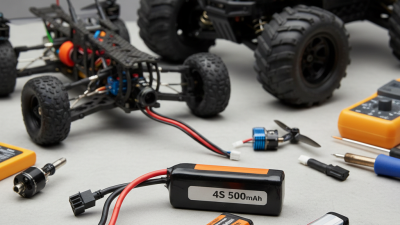
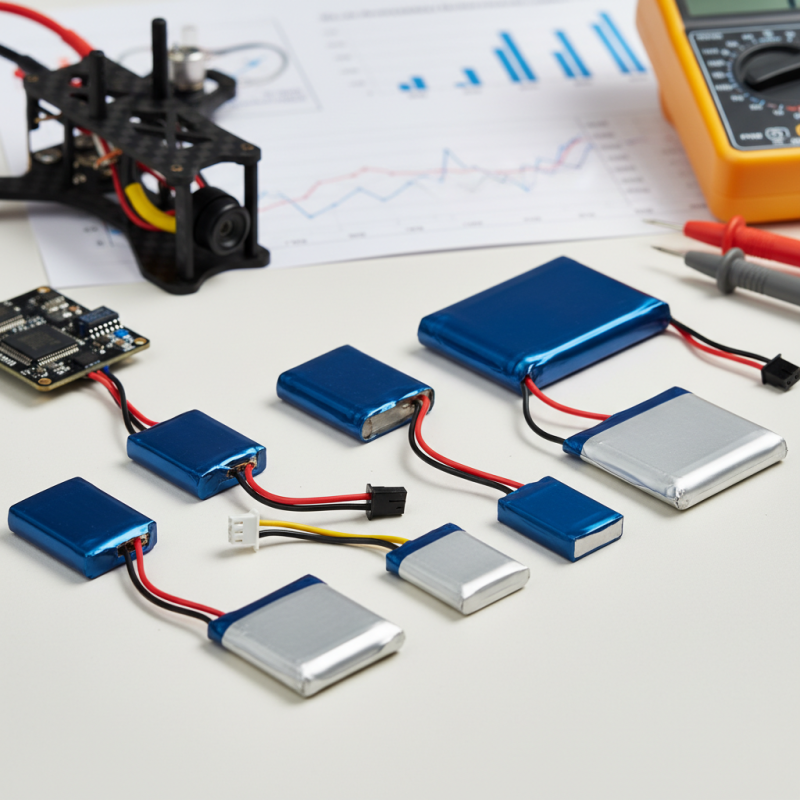
When considering a 3.7 V LiPo battery, understanding the basics is crucial. These batteries are popular in various applications, including RC vehicles and drones. They provide high energy density and lightweight qualities. However, not every 3.7 V battery is the same. It is essential to check specifications carefully.
The capacity of a LiPo battery is measured in milliamp hours (mAh). Higher mAh ratings mean longer usage times. However, higher capacities can also mean larger battery sizes. You might end up with a battery that doesn't fit your device well. Pay attention to physical dimensions as well as performance.
Another point to consider is the discharge rate, measured in C ratings. This rating indicates how quickly a battery can be released without damage. A battery with a high C rating is great for high-drain devices. Yet, if you're using it for something low-drain, it could be excessive. Balancing these features can be tricky and requires thoughtful decision-making.
Identifying Your Power Requirements for Specific Applications
Identifying power requirements is essential when choosing the right 3.7 V LiPo battery. Different devices demand varying power levels. For instance, a drone may require a battery that can provide high discharge rates. In contrast, a simple LED strip only needs a small amount of power. Understanding the specific needs of your application is crucial to avoid disappointment.
Evaluate runtime and power draw for your device. Calculate usage time based on mAh ratings. A higher capacity means longer runtime but can be bulkier. Consider space and weight restrictions as well. A compact application, like a remote control, may benefit from a smaller battery. However, sacrificing power for size might lead to shorter operational times.
Reflect on the charging cycles too. How often will the battery be used? Frequent charging can reduce battery life. Make sure to account for this when selecting your battery. These details matter greatly. Ultimately, aligning your power needs with the right battery choice ensures better performance.
Compare Different Charging and Discharging Capacities
When selecting a 3.7 V LiPo battery, understanding the charging and discharging capacities is vital. These capacities determine how long your device will run and how quickly it can recharge. Charging rates, often measured in C rates, indicate how fast a battery can be charged. For instance, a 1C rating means you can charge it to full in one hour. On average, a good battery may have a charge time between 1C and 3C for optimal performance.
Discharging capacity is equally important. It dictates how much current your device can draw. A battery with a high C-rate will deliver more power but may degrade faster. Studies show that devices requiring high bursts of power do well with batteries rated at 20C or more. However, if your application demands only moderate power, consider lower ratings to extend the battery life.
Tips: Always check battery specifications before purchase. Balancing mobility with capacity can be tricky. Consider the device's actual needs and your usage frequency. Maintenance is also crucial. Even quality batteries may fail if not handled well, leading to unexpected failures.
2026 How to Choose the Right 3.7 V Lipo Battery for Your Needs? - Compare Different Charging and Discharging Capacities
| Battery Type |
Capacity (mAh) |
Charging Current (A) |
Discharging Current (A) |
Weight (g) |
Dimensions (mm) |
| LiPo Battery A |
1500 |
1.5 |
15 |
120 |
60 x 30 x 15 |
| LiPo Battery B |
2200 |
2.2 |
22 |
150 |
70 x 35 x 20 |
| LiPo Battery C |
3000 |
3.0 |
30 |
200 |
80 x 40 x 25 |
| LiPo Battery D |
5000 |
5.0 |
50 |
300 |
100 x 50 x 30 |
Evaluating Safety Features and Ratings of LiPo Batteries
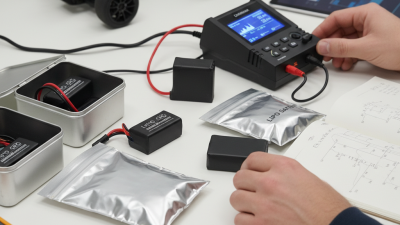
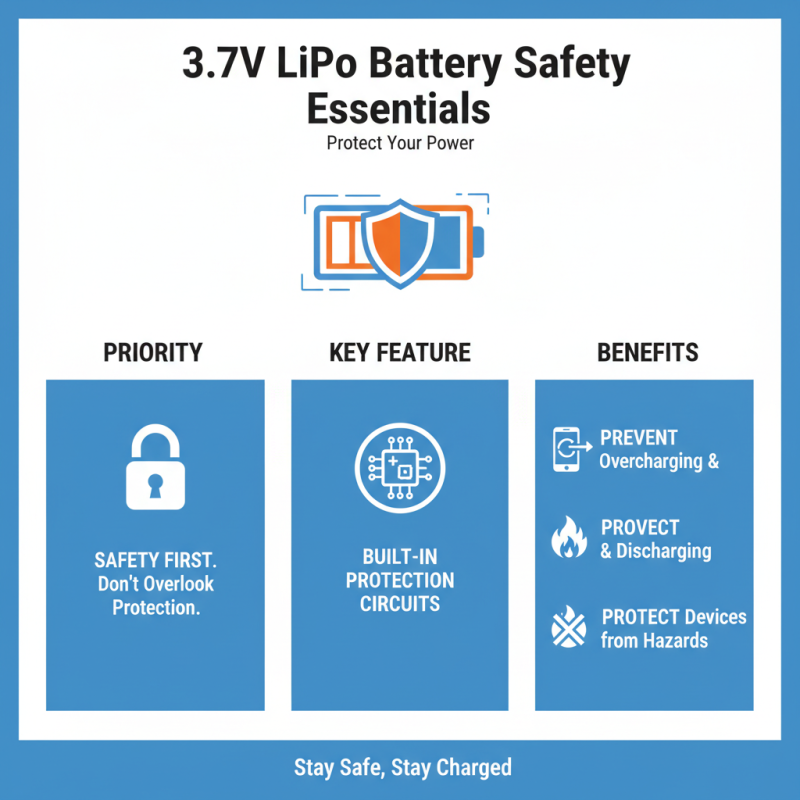
When choosing a 3.7 V LiPo battery, safety should be a top priority. Many users overlook the importance of safety features. It's essential to look for built-in protection circuits. These circuits prevent overcharging and discharging. They can protect your device from potential hazards.
Evaluating the ratings of LiPo batteries is crucial as well. Check the Continuous and Burst Current ratings. These ratings determine how much power the battery can safely provide. A battery with insufficient ratings could lead to failure. Choosing a battery with underwhelming ratings might save money now, but it can create bigger problems later.
While searching for the right battery, take note of the dimensions. A battery that is too large can lead to issues with fitting in your device. Sometimes, a perfect fit doesn’t really exist. Users often forget that proper ventilation is necessary for safety. Overheating is a real risk, especially with higher discharge rates. Always read user reviews for insights into real-world performance.
Selecting the Right Size and Weight for Your Device
When choosing a 3.7 V LiPo battery, size and weight are crucial for your device. A lighter battery is beneficial for portability. But don't overlook capacity. A smaller battery may save weight but can limit your usage time. Check how much space is available in your device. It's important.
**Tips:**
Consider your device's dimensions. Measure carefully. Small variations can impact fit. A snug fit is key.
Weight distribution matters too. A heavier battery can change how the device feels in your hand. Pay attention to balance. It can affect usability.
Lastly, test compatibility with your device. Some brands fit better than others. Experiment to find the right match. A perfect fit can enhance performance. Reflect on what works best for different scenarios.
2026 How to Choose the Right 3.7 V Lipo Battery for Your Needs?
This chart illustrates key specifications to consider when choosing a 3.7 V Lipo battery, including weight in grams, capacity in milliamp hours (mAh), discharge rate in C rating, and physical size in millimeters. Use this information to select the battery that best fits your device's requirements.

 +86-13928815851
 CONTACT NUMBER
 CONTACT NUMBER