How to Choose the Right Lipo Battery for Your RC Vehicle?
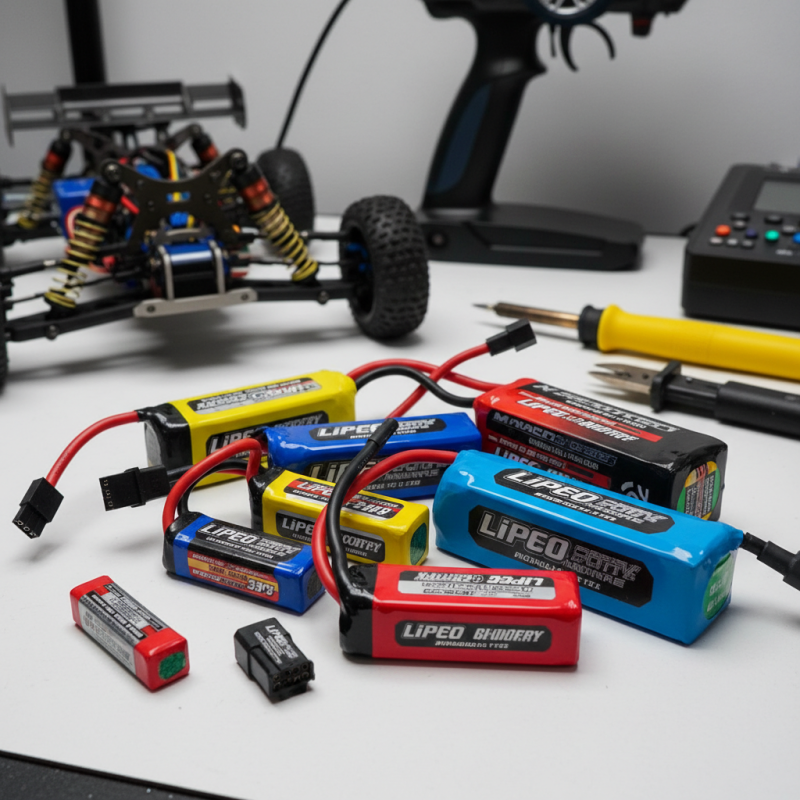
Choosing the right Lipo battery for your RC vehicle is crucial. The right battery can enhance performance and prolong your enjoyment. Knowing the specific requirements of your vehicle is essential.
Lipo batteries come in various sizes and capacities. It is important to match the battery to your RC model’s specifications. A battery that is too powerful might overheat. A weak battery may not provide enough energy. Both scenarios can lead to frustration.
Consider the discharge rate and cell count. These factors affect your vehicle's speed and run time. Pay attention to the voltage ratings, as they can impact performance significantly. Inadequate research can lead to mistakes. This process requires careful evaluation and thought. In the end, choosing the right Lipo battery can make a big difference.
Understanding Lipo Battery Basics for RC Vehicles
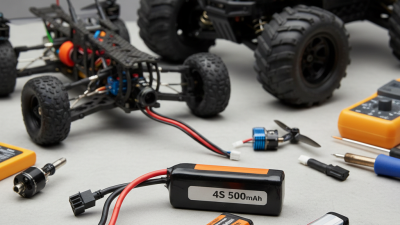
When choosing a lipo battery for your RC vehicle, understanding the basics is crucial. Lipo batteries, or lithium polymer batteries, have specific characteristics. They come in various cell counts, like 2S, 3S, and 4S. The number refers to the voltage. More cells mean higher voltage and faster speeds, but can also lead to overheating. The capacity, measured in milliamp-hours (mAh), indicates how long your vehicle can run. A higher capacity equals longer run time.
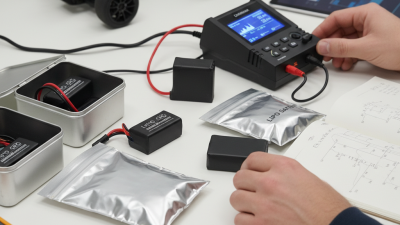
Charging and maintaining lipo batteries require attention. Use a proper charger designed for lipo packs. Battery balance is essential to avoid damage. Regular checks on the cells can help prevent issues. Over time, lipo batteries can degrade. You might notice reduced performance or shorter run times. Reflect on your usage patterns and consider these factors in your choice.
Safety should also be on your mind. Store lipo batteries in fire-resistant bags or containers. Avoid exposing them to extreme temperatures. Be cautious when discharging; keep track of voltage levels. Remember, improper handling can lead to accidents. Understanding these essentials will guide you to make better choices.
Identifying the Right Capacity for Your RC Vehicle's Power Needs
Choosing the right capacity for your RC vehicle’s lipo battery is crucial. The power needs directly impact the performance and runtime of your vehicle. Typically, battery capacity is measured in milliamp hours (mAh). A higher mAh rating indicates a longer runtime, but it may add weight. Finding balance is key.
Industry reports suggest that a 2200 mAh battery is common for many mid-sized RC cars. It offers decent runtime without excessive weight. However, if you aim for speed, an 800 mAh battery might provide rapid acceleration, despite shorter run times. This choice may frustrate some users who expect longer playtime.
Assess your vehicle's motor specifications and the weight of your setup. For example, a 1:10 scale buggy might perform better with a higher capacity than a lightweight drone. Misjudging capacity can lead to underwhelming performance or unexpected shutdowns mid-race. Always reflect on your actual needs and adjust accordingly.
Evaluating Voltage Ratings and Configurations for Optimal Performance
When selecting a lipo battery for your RC vehicle, evaluating voltage ratings is crucial. Voltage directly influences power output and performance. Common configurations include 2S (7.4V) or 3S (11.1V) setups. A 3S battery delivers more power, but it might require more skill to handle. A higher voltage can lead to faster speeds. However, it also increases the risk of overheating and potential damage to components.
Tips: Check your RC vehicle’s specifications before deciding. Ensure the ESC (Electronic Speed Controller) can handle the voltage of the new battery.
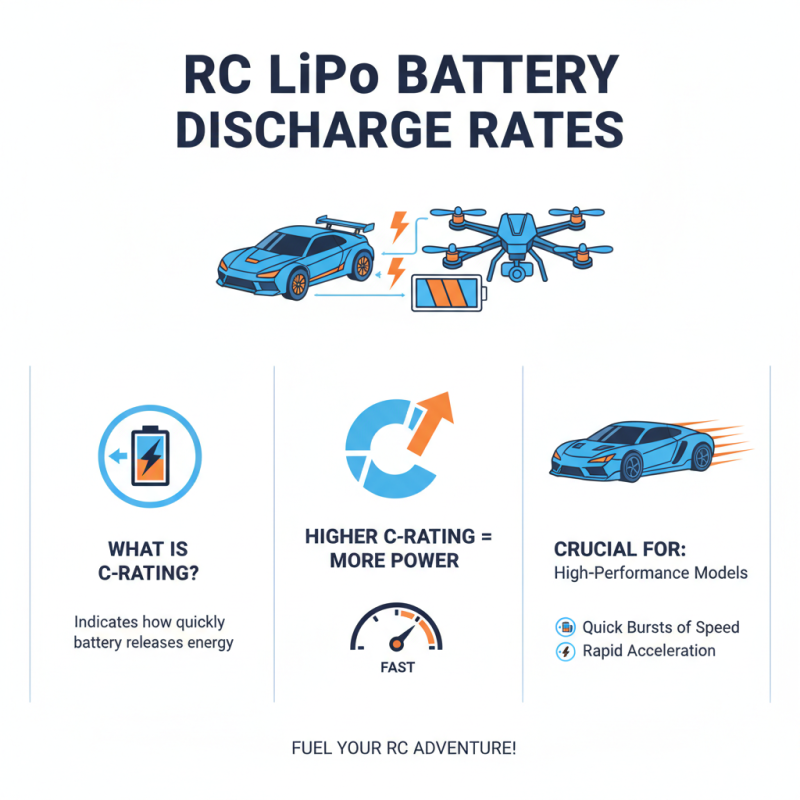
When it comes to performance, consider the discharge rate, measured in C ratings. A battery with a 30C rating can sustain higher loads better than a 20C battery. Battery capacity also plays a critical role. A 5000mAh battery offers longer run times than a 3000mAh one. But larger batteries add weight, possibly affecting handling.
Tips: Use a wattmeter to monitor real-time performance. Pay attention to how your vehicle reacts with different battery setups. It helps in understanding the balance between speed and control. Always reflect on the configuration that suits your driving style best.
RC Vehicle Lipo Battery Voltage Ratings and Configurations
This chart illustrates the typical battery capacities for various LiPo battery voltage configurations commonly used in RC vehicles. Understanding these configurations helps in selecting the right battery for optimal performance in your RC applications.
Considering Battery Size and Weight for Proper Fit and Balance
When choosing a lipo battery for your RC vehicle, size and weight are crucial. An improperly sized battery can lead to poor fit and performance issues. The inner dimensions of the battery compartment must match the battery's measurements, ensuring it fits snugly. If the battery is too large, it won't fit. If too small, it may shift during operation, affecting control.
Weight distribution is another key factor for balance. RC experts recommend maintaining a low center of gravity. A lighter battery positioned high can negatively impact handling. According to a 2022 industry report, 68% of RC vehicle users reported improved performance with properly weighted batteries. This finding highlights the importance of not just choosing a powerful battery, but one that fits well.
Some users overlook battery weight while upgrading. Heavier batteries may provide more power but compromise maneuverability. This mismatch often leads to disappointing experiences. Consider experimenting with different sizes and weights to find the sweet spot. Adjustments can lead to better control and overall vehicle performance, enhancing your enjoyment of the hobby.

 +86-13928815851
 CONTACT NUMBER
 CONTACT NUMBER