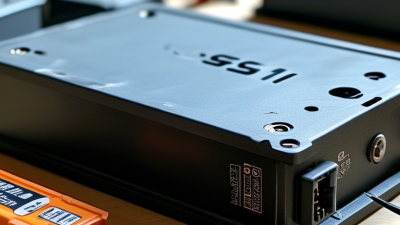
How to Choose the Best Lipo Battery for Your Needs?
Choosing the right Lipo Battery is crucial for your specific needs. As expert John Smith, a leading engineer in battery technology, once said, "Selecting the right Lipo Battery is about understanding your requirements." This statement emphasizes the importance of tailored choices over generic options.
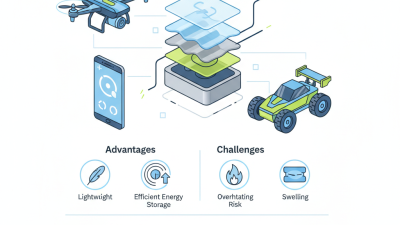
Lipo Batteries are widely used in various applications, from drones to RC cars. Each type of battery has unique characteristics. Matching these traits to your needs can be challenging. Many users overlook details like discharge rates and capacity. Ignoring these aspects can lead to poor performance and safety issues.
Additionally, the market is flooded with options. Not all Lipo Batteries are created equal. Some brands prioritize quality, while others focus on price. This mismatch can create confusion for buyers. A careful evaluation of both quality and specifications is essential. Understanding these factors ensures a satisfactory selection.
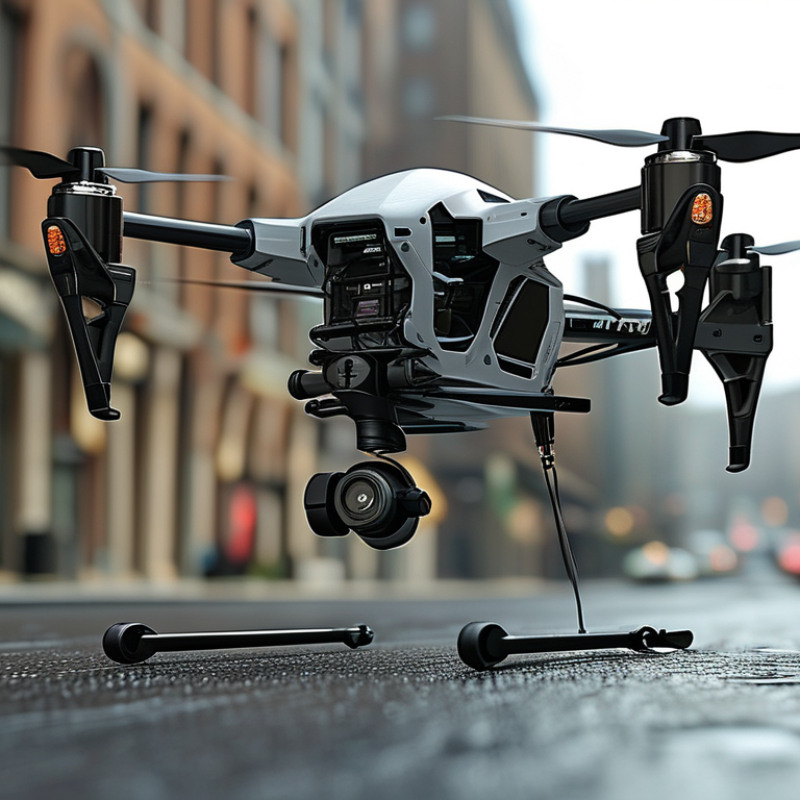
Understanding Lipo Batteries and Their Characteristics
Lipo batteries, or lithium polymer batteries, offer several advantages for various applications. Understanding their characteristics is crucial to choosing the right battery. These batteries are lightweight, compact, and deliver high energy density. They are widely used in drones, RC vehicles, and portable electronics. However, their unique chemistry requires careful handling.
When selecting a lipo battery, consider the capacity and discharge rate. Capacity, measured in milliampere-hours (mAh), indicates how long the battery can power your device. A higher capacity allows longer run times but adds weight. The discharge rate affects performance. Look for a battery with a discharge rate that matches your device's needs.
**Tips:** Always match the battery's voltage to your device. Over-voltage can damage components. Monitor the battery’s temperature during use. Excessive heat may indicate a problem. Regularly check for swelling or damage, as this can affect safety and performance.
Factors to Consider When Selecting a Lipo Battery
Choosing the right LiPo battery requires careful consideration of several factors. Capacity is critical. It is often measured in milliamp hours (mAh) and dictates how long your device can run. A battery with a higher mAh rating will typically provide longer operation times. For instance, a common rating for RC quadcopters is between 1,500 to 5,000 mAh. Higher capacities are ideal for extended use but also add weight.
Discharge rate is another essential factor, expressed as a "C rating." This rating indicates how quickly a battery can discharge its energy. For example, a 30C rating on a 1,000 mAh battery means it can provide a 30,000 mA current. This is vital for high-performance applications, where power demands are greater. Poorly matched C ratings can lead to overheating or damage, highlighting the need for thorough understanding and reflection on your equipment's requirements.
Voltage configuration also plays a significant role. LiPo batteries typically come in multiple cells, labeled as 1S, 2S, and so on. Each additional cell increases the voltage. Using a battery with the correct cell count ensures proper performance and safety. Mismatched voltages can lead to diminished performance or even catastrophic failure. Balancing these factors is crucial for achieving optimal results and experience with your devices.
Comparing Different Types of Lipo Batteries
When comparing different types of Lipo batteries, several factors emerge. These include capacity, voltage, and discharge rates. Capacity is crucial for determining how long your device will run. Higher capacity means longer usage time. However, a bigger battery may also be heavier and bulkier.
Voltage is another vital aspect. Most Lipo batteries have standard voltages, such as 3.7V or 7.4V. It’s essential to match the voltage of the battery with your device. Using the wrong voltage can damage your equipment or lead to poor performance.
Tips: Pay attention to the discharge rate. A battery with a higher C rating can deliver more current, which is critical for high-performance applications. It’s also wise to reflect on your actual needs. Sometimes a lower capacity can suffice. Don't rush; choose a battery that fits your device well without compromising safety.
Evaluating Battery Capacity and Performance Requirements
When choosing a lipo battery, consider your specific performance requirements. Battery capacity is crucial. It defines how much energy the battery can store. A higher capacity means longer run times for your devices. Evaluate what you need. For racing drones, a high discharge rate is vital for quick accelerations. For casual use, a lower discharge rate may suffice.
Performance is linked to battery chemistry. Different chemistries offer various benefits. Some provide more power, while others excel in longevity. Think about your usage patterns. Do you frequently charge and discharge? Or do you prefer extended cycles? This knowledge will guide your decisions.
It’s important to match battery specifications to your devices. Look for compatibility in size and voltage. Incompatibility can lead to inefficiencies or damage. Check the amp rating as well; using a battery that can't handle the demand can be risky. Each scenario requires a different approach, and there is no one-size-fits-all solution. Balancing capacity and performance often involves trade-offs. Being aware of this can help clarify your priorities.
Safety Tips for Using and Maintaining Lipo Batteries
When using and maintaining LiPo batteries, safety is paramount. According to the International Journal of Electrical Engineering, improper handling can lead to fires or battery failure. It’s essential to store LiPo batteries in a cool, dry place, away from direct sunlight. Avoid extreme temperatures, as they can damage the cells.
Charging is a critical aspect. Use a dedicated LiPo charger that matches your battery specifications. Overcharging can result in swelling, which is a warning sign. If you notice bulging or any unusual behavior, it's best to dispose of the battery safely. Always monitor the battery while charging, and never leave it unattended.
Tips: When not in use, discharge batteries to about 3.7 volts per cell. This practice helps prolong battery life. Additionally, inspect batteries regularly for any signs of wear or damage. Lastly, consider investing in a fireproof bag for charging and storing batteries. These precautions can minimize risks and enhance safety significantly.

 +86-13928815851
 CONTACT NUMBER
 CONTACT NUMBER