How to Choose the Right 100mamph Lipo Battery for Your Needs?
Choosing the right 100mamph Lipo Battery can significantly impact the performance of your device. Lithium Polymer (Lipo) batteries have gained popularity in various industries, from drones to electric vehicles. According to recent industry reports, the demand for Lipo batteries is projected to grow by 25% annually.
Understanding capacity is essential. The "100mamph" refers to a specific capacity, suitable for many applications. However, users often overlook key factors like voltage and discharge rates. A mismatch can lead to inefficient performance or even damage.
Moreover, battery quality varies widely. Some brands cut corners, leading to safety concerns. Reports indicate nearly 30% of low-quality batteries can fail prematurely. Therefore, investing in a reliable 100mamph Lipo Battery from a reputable manufacturer is crucial. Quality ensures longevity and optimal performance, reducing the need for frequent replacements.
Understanding the Basics of 100mAh Lipo Batteries and Their Applications
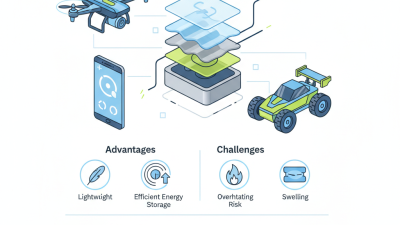
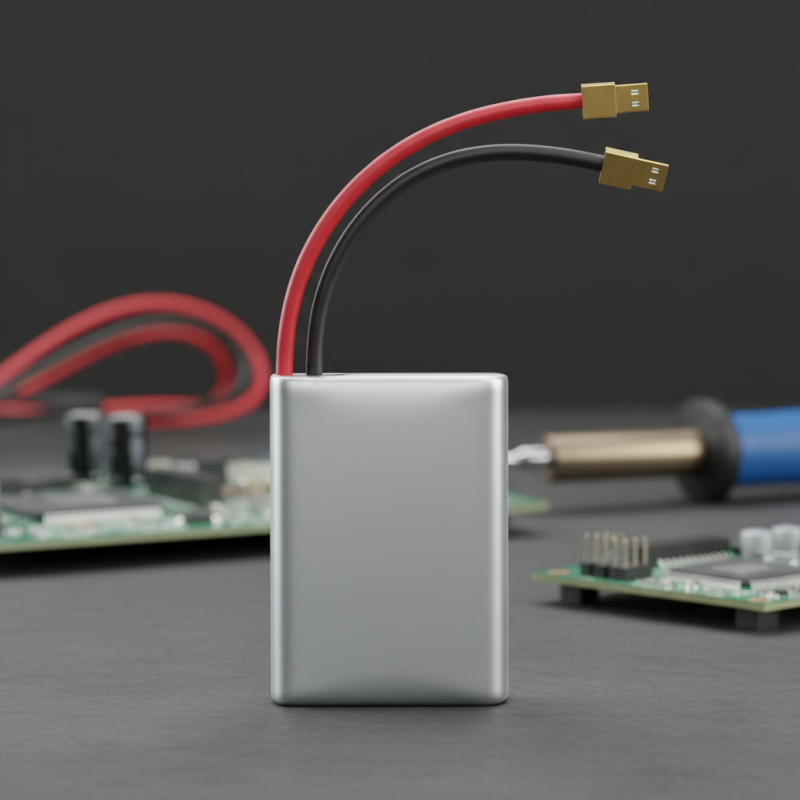
When selecting a 100mAh Lipo battery, it's essential to understand its basics. These lithium polymer batteries are compact and lightweight. They deliver high energy density, making them ideal for small devices. Common applications include drones, remote control models, and portable electronic gadgets.
Tips for selecting a suitable battery: Always check the discharge rate. This rate affects how much current the battery can supply. A low discharge rate might not power your device effectively. Also, consider the battery’s dimensions. Space in your device may limit size options.
Don't ignore the battery’s charging cycles. Some batteries lose efficiency quickly after a few cycles. A bit of research can save you disappointment later. Be aware of your usage habits. If you need regular high bursts of power, a different battery might be better. For casual use, a 100mAh should suffice.
Key Specifications to Consider When Choosing a 100mAh Lipo Battery
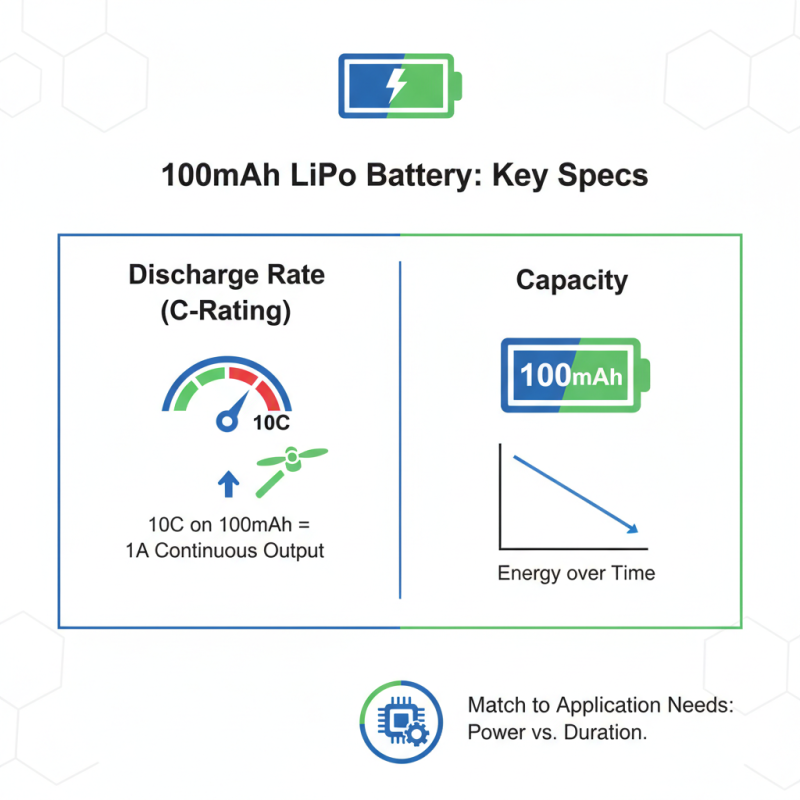
Choosing the right 100mAh LiPo battery requires careful consideration of several key specifications. One essential factor is the discharge rate, often denoted as C-rating. This rating indicates how quickly a battery can discharge energy. For instance, a 10C rating on a 100mAh battery means it can safely output 1A (100mAh x 10) continuously. Selecting a battery with an appropriate C-rating is crucial, especially for applications requiring high bursts of power.
Voltage must also not be overlooked. A typical 100mAh LiPo battery has a nominal voltage of 3.7 volts. Different devices may require different voltage levels, making compatibility essential. A mismatch can lead to poor performance or even damage the device. The Energy Density (measured in Wh/kg) can also influence battery choice. Higher energy density means more power in a compact size. However, it is important to balance energy density with weight and size, especially in portable applications.
Lastly, the battery's cycle life should be evaluated. Many batteries can endure around 300-500 charge cycles before significant degradation occurs. Poor choices here can lead to faster than expected deterioration, causing repeated replacements. Understanding these specifications helps in making informed decisions, but it’s vital to continuously reassess needs as technology evolves.
Evaluating Discharge Rates: How They Impact Battery Performance
When choosing a 100mAh Lipo battery, evaluating discharge rates is crucial. Discharge rates indicate how quickly a battery can release energy. A higher discharge rate allows for more powerful bursts of energy. This can significantly impact performance, especially in high-drain applications like drones or RC cars.
For example, if a battery has a discharge rate of 20C, it can deliver 2000mA without issues. This means it can power devices with high energy demands. However, if you use a battery with a low discharge rate, it may struggle. It might not sustain performance during intensive tasks. This is something many overlook when selecting a battery.
Another point to ponder is how discharge rates affect longevity. A battery stressed by high discharge may wear out faster. It’s good to match the battery to your device's needs. Ideally, you want a balance that does not push the battery to its limits constantly. Monitoring your usage habits helps in selection. Sometimes you may need to adjust your expectations. Reflecting on these factors can lead to a better battery choice.
Discharge Rates of Different 100mAh Lipo Batteries
This chart illustrates the impact of discharge rates on battery performance. Higher discharge rates can potentially lead to decreased battery lifespan but improved performance in high-demand applications.
Comparing Brands: Top Manufacturers of 100mAh Lipo Batteries in the Market
When selecting a 100mAh Lipo battery, comparing top manufacturers is essential. Many brands offer various features. Some excel in battery life, while others focus on weight and size. Each brand has its strengths, which can impact your experience.
One notable point is the quality control of different manufacturers. Some companies maintain strict production standards, while others may have inconsistencies. This can lead to unexpected performance fluctuations. It's wise to read reviews and gather feedback on reliability. A few brands might even offer warranties or guarantees, reflecting their confidence in product quality.
Another factor to consider is pricing. Certain popular brands can be quite expensive. However, lesser-known brands often provide similar performance at a lower cost. This can be tempting, but caution is needed. You might encounter battery life issues or safety concerns with less established names. Balance your choices carefully based on your needs and budget.
Safety Considerations and Best Practices for 100mAh Lipo Battery Usage
When using a 100mAh Lipo battery, safety is paramount. Overcharging can lead to thermal events, causing significant hazards. Reports indicate that improper charging accounts for nearly 30% of Lipo battery incidents. Always use a dedicated charger that matches the battery's specifications. Monitor the charging process closely.
Handling these batteries requires care. Avoid puncturing or deforming the battery. A small dent can cause internal shorts, resulting in failure. According to industry standards, storing batteries in a fireproof container can reduce risk. A study found that 25% of battery fires occurred during storage.
Consider environmental factors as well. High temperatures can accelerate battery degradation. Optimal storage temperatures are between 20°C to 25°C. A sign of damage might be puffiness. If it occurs, dispose of the battery properly. Always follow local regulations for hazardous materials. Reflecting on these safety practices can prevent accidents, ensuring a safe experience with 100mAh Lipo batteries.

 +86-13928815851
 CONTACT NUMBER
 CONTACT NUMBER