Why Choosing the Right RC Car Battery Maximizes Performance and Longevity
In the world of remote control (RC) vehicles, the choice of RC car battery plays a crucial role in determining both performance and longevity. With advancements in battery technology over the past decade, understanding these options has become increasingly important for enthusiasts and competitors alike. According to a study conducted by the International Journal of Electrical Engineering, the right lithium polymer (LiPo) battery can enhance an RC car's runtime by up to 40% compared to traditional nickel-cadmium (NiCd) batteries. This not only translates to longer playtime but also ensures that the vehicle operates at optimal performance levels, particularly in competitive settings.
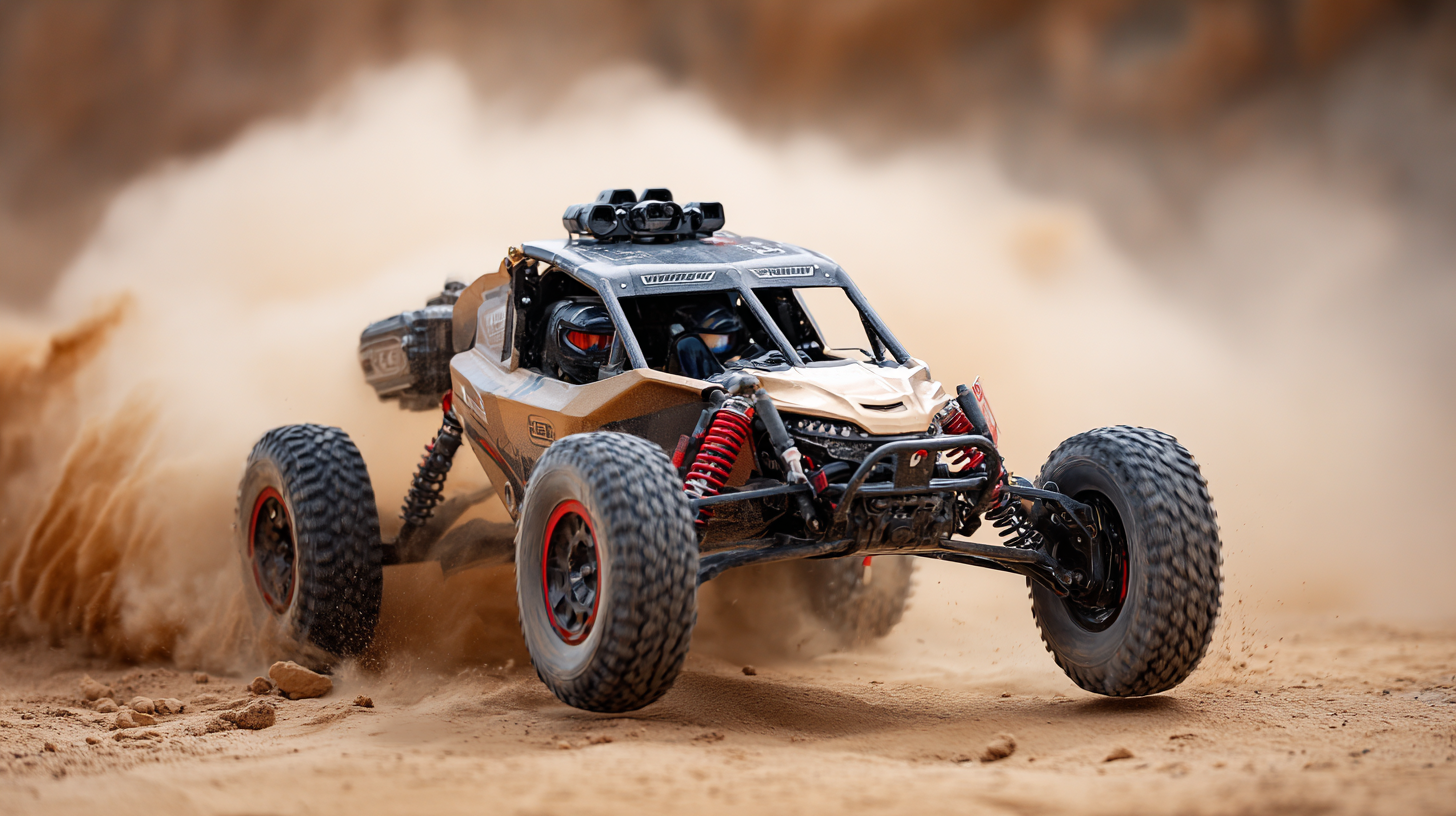
Furthermore, the lifespan of an RC car battery can vary significantly based on the selection and maintenance practices. Research indicates that with proper care, lithium-based batteries can offer over 1000 charge cycles, making them a cost-effective solution in the long run. In contrast, inadequate battery management can lead to rapid degradation, cutting the operational life by more than half. Thus, for any RC hobbyist looking to maximize their vehicle's efficiency and durability, selecting the right RC car battery should be a top priority. As the industry continues to evolve, staying informed about battery technology will empower users to make decisions that enhance their overall RC experience.
Understanding Different Types of RC Car Batteries and Their Features
Choosing the right battery for your RC car is critical for maximizing both performance and longevity. The two primary types of batteries used in RC cars are Nickel-Metal Hydride (NiMH) and Lithium Polymer (LiPo). According to a report from the International Journal of Energy Research, LiPo batteries can deliver a higher energy density, which often results in lighter weights and significantly longer run times compared to NiMH batteries. This is particularly advantageous for racers who require speed and agility, as a LiPo battery can provide up to 30% more power for a competitive edge.
In addition to energy density, another vital feature is the discharge rate, which indicates how quickly a battery can deliver its stored energy. A higher discharge rate means better acceleration and overall performance. Research by the Institute of Electrical and Electronics Engineers indicates that LiPo batteries can achieve discharge rates exceeding 100C, making them ideal for high-performance applications. On the other hand, NiMH batteries typically have lower discharge rates, often around 30-40C, which may not meet the demands of advanced racing. Therefore, understanding these differences and selecting the appropriate battery type is essential for any RC car enthusiast aiming for peak performance.
Evaluating Battery Capacity and Voltage for Optimal RC Car Performance
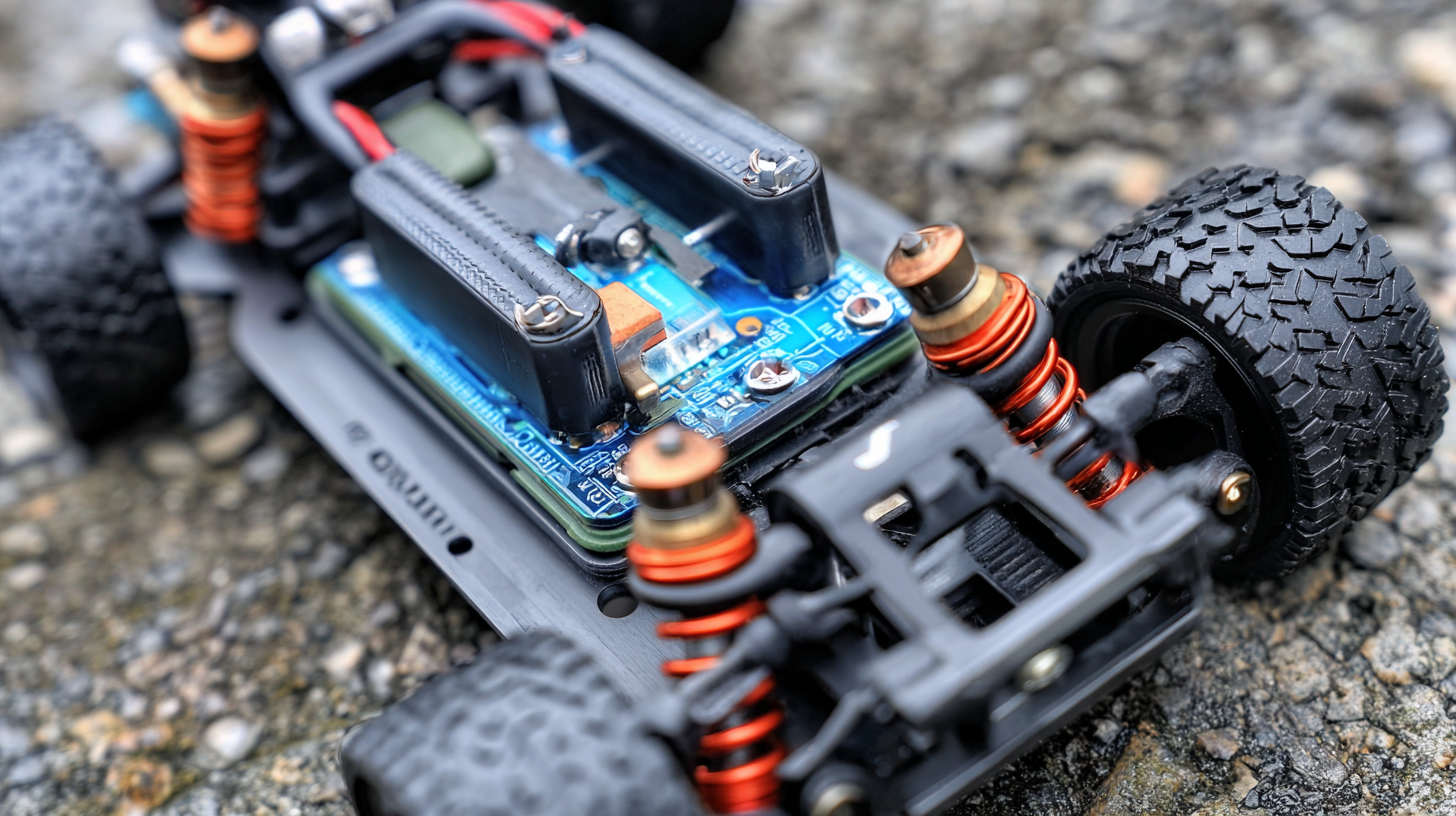
When it comes to optimizing your RC car's performance, evaluating battery capacity and voltage is crucial. The capacity of a battery, measured in milliamp hours (mAh), determines how long your RC car can run on a single charge. A higher capacity means extended runtime, but it also depends on the weight and balance of the car. For racing enthusiasts, selecting a battery that offers both high capacity and lightweight design can enhance speed and maneuverability on the track.
Voltage plays a significant role in the overall performance of your RC car as well. Batteries with higher voltage ratings provide more power, which can lead to faster acceleration and improved handling. It’s essential to ensure that your RC car's motor can handle the voltage you choose, as over-voltage can lead to overheating or damage. Therefore, a perfect balance between capacity and voltage is necessary for achieving optimal performance.
**Tips**: Always verify your RC car specifications before purchasing a new battery to avoid compatibility issues. Consider investing in a smart charger that can manage different voltage levels, ensuring your battery is charged efficiently and prolonging its lifespan. Finally, practice proper storage techniques for your batteries, such as keeping them in a cool, dry place, to enhance longevity and performance.
Why Choosing the Right RC Car Battery Maximizes Performance and Longevity - Evaluating Battery Capacity and Voltage for Optimal RC Car Performance
| Battery Type |
Capacity (mAh) |
Voltage (V) |
Run Time (min) |
Weight (g) |
| LiPo 2S |
5000 |
7.4 |
20 |
240 |
| NiMH 6-cell |
3000 |
7.2 |
15 |
200 |
| LiPo 3S |
4000 |
11.1 |
25 |
300 |
| NiMH 7-cell |
3300 |
8.4 |
18 |
220 |
| LiHV 2S |
4500 |
7.6 |
22 |
250 |
Tips for Proper Battery Maintenance to Extend Lifespan
Maintaining your RC car battery is crucial for maximizing its performance and longevity. A well-cared-for battery not only powers your vehicle more efficiently but also extends its usable life. One key tip for battery maintenance is to always store your battery in a cool, dry place. Extreme temperatures can lead to capacity loss and damage, reducing the overall health of the battery.
Another important aspect of battery care is monitoring the charge cycles. Avoid fully discharging your battery, as this can significantly shorten its lifespan. Instead, aim to recharge your battery when it reaches around 20% capacity. This practice helps to maintain optimal battery health and ensures your RC car is always ready for action.
Finally, regularly checking for any signs of wear or damage is essential. Inspect connectors, terminals, and the casing for any signs of swelling or corrosion. Addressing these issues promptly can prevent further damage and maintain the performance of your RC car. Following these tips will help keep your battery functioning at its best, ensuring many exciting runs ahead.
Choosing Between Lithium and Nickel Batteries: Pros and Cons
When it comes to selecting the right battery for your RC car, the choice between lithium and nickel batteries can significantly affect both performance and longevity. Lithium batteries, especially LiPo (Lithium Polymer), are popular for their high energy density and lightweight nature. They provide a higher voltage compared to nickel-based batteries, which translates into faster speeds and increased run times. Moreover, lithium batteries have a lower self-discharge rate, ensuring that they retain their charge for longer periods when not in use. However, they require careful handling and specific charging practices to avoid safety hazards.
On the other hand, nickel batteries, such as NiMH (Nickel Metal Hydride), are generally more robust and easier to manage for beginners. They offer decent power output and are less susceptible to damage from overcharging or mishandling. Additionally, nickel batteries tend to be more cost-effective, making them a practical choice for those looking to minimize expenses. However, they have a lower energy density, which can lead to heavier weight and shorter run times compared to their lithium counterparts. Ultimately, the decision between lithium and nickel batteries will depend on your specific needs, including performance requirements and budget considerations.
Battery Type Performance Comparison
This chart illustrates the performance metrics of Lithium and Nickel batteries commonly used in RC cars. Lithium batteries provide a longer average run time and more charge cycles compared to Nickel batteries, highlighting their advantages in performance and longevity.
How to Match Battery Specifications with RC Car Requirements for Best Performance
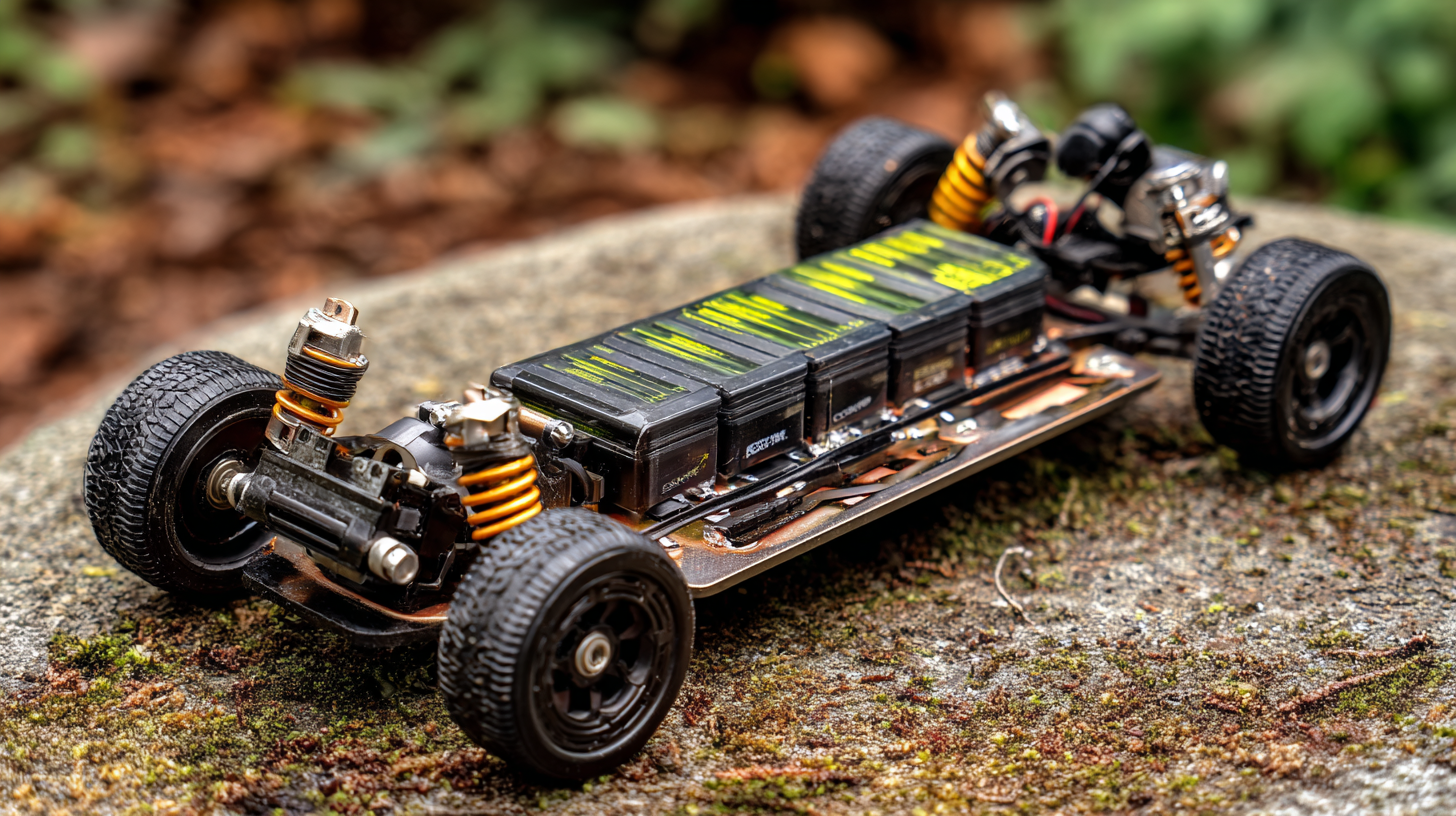
Selecting the right battery for your RC car is crucial for optimizing performance and ensuring longevity. The specifications of the battery, including voltage, capacity (mAh), and discharge rate (C-rating), must align with the requirements of your RC vehicle. For instance, a typical LiPo battery used in high-performance models might have a 3S setup (11.1V) and a capacity of 5000mAh, which can deliver sufficient power and runtime for racing scenarios. Data from the RC Car Expert Association indicates that choosing a battery with a higher discharge rate can significantly enhance acceleration and top speed, providing an edge in competitive racing.
Moreover, understanding the implications of different battery chemistries is essential. LiPo batteries, while lightweight and capable of delivering high currents, require careful handling and charging practices. Reports highlight that improper management of LiPo batteries can reduce their lifespan by up to 50%. In contrast, NiMH batteries are more forgiving but generally offer lower performance. The choice between these two types should reflect your performance expectations and how you plan to use your RC car. By matching the battery specifications with your car's needs, you can achieve optimal performance and enjoy a longer lifespan.

 +86-13928815851
 CONTACT NUMBER
 CONTACT NUMBER