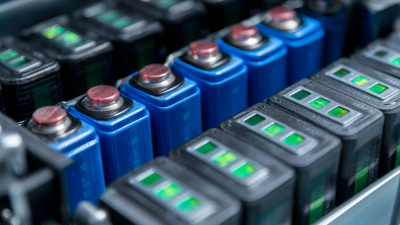
“Exploring the Future of Energy: How Ultra-Thin Batteries Are Revolutionizing Portable Technology”
As we venture into an era where portable technology is becoming increasingly essential, the demand for more efficient and compact energy solutions continues to rise. One of the most exciting advancements in this field is the development of
Ultra-Thin Batteries, which are poised to revolutionize the way we power our devices. Unlike traditional batteries, which can be bulky and restrictive, Ultra-Thin Batteries offer a sleek and lightweight alternative that enables manufacturers to design more innovative and user-friendly products.
This introduction of cutting-edge technology not only enhances the functionality of portable gadgets but also paves the way for new applications in various industries.
With the potential to significantly improve energy storage and efficiency, Ultra-Thin Batteries are set to redefine our relationship with power and propel us into a future filled with limitless possibilities.
As we explore these advancements, it becomes evident that the integration of Ultra-Thin Batteries into everyday technology will not only reshape how we interact with devices but also contribute to a more sustainable energy landscape.
Understanding Ultra-Thin Battery Technology and Its Advantages
 Ultra-thin battery technology is paving the way for significant advancements in portable devices, making them lighter and more efficient. These batteries, often constructed using innovative materials such as lithium polymer or solid-state compounds, allow for a drastic reduction in thickness without compromising performance. This feature is particularly beneficial for wearable technology, smartphones, and tablets, where space is at a premium. With the demand for sleeker designs and longer-lasting power solutions, ultra-thin batteries rise to meet the challenge, providing manufacturers with the tools necessary to create cutting-edge products.
One of the primary advantages of ultra-thin batteries is their enhanced energy density. These batteries can store more energy in a smaller footprint, extending the operational time of portable devices. Moreover, their lightweight nature contributes to overall device portability and usability, making them ideal for gadgets utilized in everyday life, from fitness trackers to medical devices. Additionally, ultra-thin technology facilitates faster charging times, which is an essential feature for consumers seeking convenience in an increasingly fast-paced world. As innovation in this field continues, we can expect these batteries to become a standard in next-generation portable technology.
Key Applications of Ultra-Thin Batteries in Portable Devices
Ultra-thin batteries are at the forefront of innovation in portable technology, transforming how we power our devices. These batteries, which include thin film and printed varieties, are crucial for the development of lightweight and highly efficient electronics. Their compact design allows for seamless integration into a range of portable devices such as smartphones, tablets, and wearables, catering to the increasing demand for sleek and multifunctional gadgets. The rise of micro batteries is expected to significantly enhance the performance of mobile technology, providing users with prolonged battery life without adding substantial bulk.
The emergence of advanced battery technologies, such as graphene batteries, further amplifies the potential of ultra-thin batteries. These next-generation solutions promise faster charging times, improved capacity, and an extended lifecycle, making them ideal for today's fast-paced, mobile-driven lifestyle. As industries seek to enhance the functionality of portable devices, ultra-thin batteries present a pivotal opportunity for innovation, ensuring that consumers can stay connected longer and more efficiently, without the worry of frequent recharging.
Step-by-Step Guide to Integrating Ultra-Thin Batteries into Existing Tech
The integration of ultra-thin batteries into existing technology requires a systematic approach. First, it is crucial to conduct a thorough assessment of the current devices and their power requirements. According to a report by IDTechEx, the demand for flexible and lightweight batteries is expected to grow to $11 billion by 2025, indicating a significant opportunity for manufacturers to innovate. Evaluating how ultra-thin batteries can effectively replace traditional power sources will allow developers to identify the most suitable applications in portable electronics, wearables, and IoT devices.
Next, companies must consider the engineering challenges posed by ultra-thin designs. This includes ensuring that the batteries meet performance benchmarks, such as energy density and lifecycle, which are critical for user satisfaction. Research from the International Energy Agency shows that advancements in materials like lithium-sulfur and solid-state formulations can enhance energy density by up to 50% compared to conventional lithium-ion alternatives. By investing in R&D to overcome these barriers, manufacturers can successfully integrate ultra-thin batteries into their products, ultimately leading to enhanced functionality and consumer appeal.
Exploring the Future of Energy: How Ultra-Thin Batteries Are Revolutionizing Portable Technology
| Aspect |
Details |
| Battery Thickness |
< 1 mm |
| Weight |
Less than 10 grams |
| Charge Time |
30 minutes to 1 hour |
| Energy Density |
150 Wh/kg |
| Lifespan |
Over 500 charge cycles |
| Application Areas |
Wearables, IoT devices, Smartphones, Laptops |
| Advantages |
Lightweight, flexible, quick charging, high efficiency |
| Challenges |
Cost, durability, heat management |
Future Trends: The Role of Ultra-Thin Batteries in Sustainable Energy Solutions
The emergence of ultra-thin batteries represents a significant advancement in portable technology, playing a crucial role in the transition to sustainable energy solutions. These batteries, characterized by their lightweight and compact design, are now being integrated into a variety of applications, from wearable devices to electric vehicles. With the global renewable energy market projected to grow from $1.0787 trillion in 2025 to $1.5741 trillion by 2032, the potential for ultra-thin batteries to enhance energy efficiency and storage capacity is immense. This growth highlights the necessity of innovating battery technology to meet increasing energy demands sustainably.
**Tip:** When considering the adoption of ultra-thin battery technology, it's essential to evaluate their compatibility with existing systems. Conducting thorough research on performance metrics, such as charging efficiency and lifecycle, can lead to more informed decisions.
Furthermore, developments like sodium-ion batteries, which are being explored for their cost-effectiveness and sustainability, emphasize the industry's shift towards more eco-friendly alternatives. Collaborations between companies aim to optimize materials and reduce reliance on scarce resources, further underlining the importance of sustainable practices in energy storage solutions. As demand for greener technologies rises, remarkable innovations in battery design will be pivotal in shaping a sustainable energy future.
**Tip:** Always stay updated on current trends and research within the energy sector. Engaging with industry reports and forecasts can provide insights into emerging technologies and market dynamics that influence your strategic decisions.
Challenges and Solutions in Ultra-Thin Battery Production and Implementation
The future of portable technology is being significantly transformed by ultra-thin batteries, particularly solid-state batteries, which are perceived as the ultimate solution for electric vehicle (EV) development. The global market for solid-state batteries remains in its nascent stage; however, it is projected to expand rapidly as industries strive to achieve higher energy densities and enhanced safety profiles. The solid-state battery market is expected to grow from a valuation of $3.85 billion in 2025 to an impressive $1517.7 billion by 2033, reflecting a staggering compound annual growth rate (CAGR) of 58.28%.
Moreover, the perovskite solar cell market is also seeing remarkable growth, predicted to scale from $1.0102 billion in 2025 to $12.5592 billion by 2032, with a CAGR of 43.34%. This segment demonstrates a bright future as flexible perovskite solar cells begin to integrate more into self-powered wearable systems. As the industry navigates the challenges of production and implementation of these advanced battery technologies, the focus on scalable manufacturing practices and cost reduction strategies will be critical to meet the burgeoning demand across the electric vehicle sector and beyond.
Exploring the Future of Energy: Ultra-Thin Batteries in Portable Technology
This bar chart illustrates the increase in battery capacity of ultra-thin batteries from 2018 to 2023. As technology advances, we see a significant enhancement in the energy storage capabilities of these batteries, which are crucial for the evolution of portable devices.

 +86-13928815851
 CONTACT NUMBER
 CONTACT NUMBER