What is the Importance of Lithium Batteries in Modern Technology?
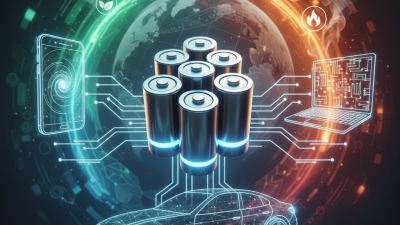
In recent years, lithium batteries have become essential in modern technology. According to a report by IDTechEx, the lithium-ion battery market is projected to exceed $100 billion by 2026. This rapid growth reflects the increasing reliance on these batteries across various sectors, including consumer electronics and electric vehicles. Notably, Dr. Emily Carter, a leading expert in battery technology, stated, "Lithium batteries are the backbone of sustainable energy solutions."
The efficiency and energy density of lithium batteries make them a preferred choice for powering devices. For example, smartphones and laptops depend on these batteries for their performance. As industries shift towards renewable energy, lithium batteries play a crucial role in energy storage systems. However, there are concerns about sustainability and environmental impact.
The extraction and disposal of lithium can pose challenges. The industry must address these issues to maintain growth. Balancing innovation with responsibility is vital for the future of lithium batteries. As we move forward, the significance of lithium batteries in supporting technological advancement remains undeniable, yet it calls for thoughtful reflection on their impact.
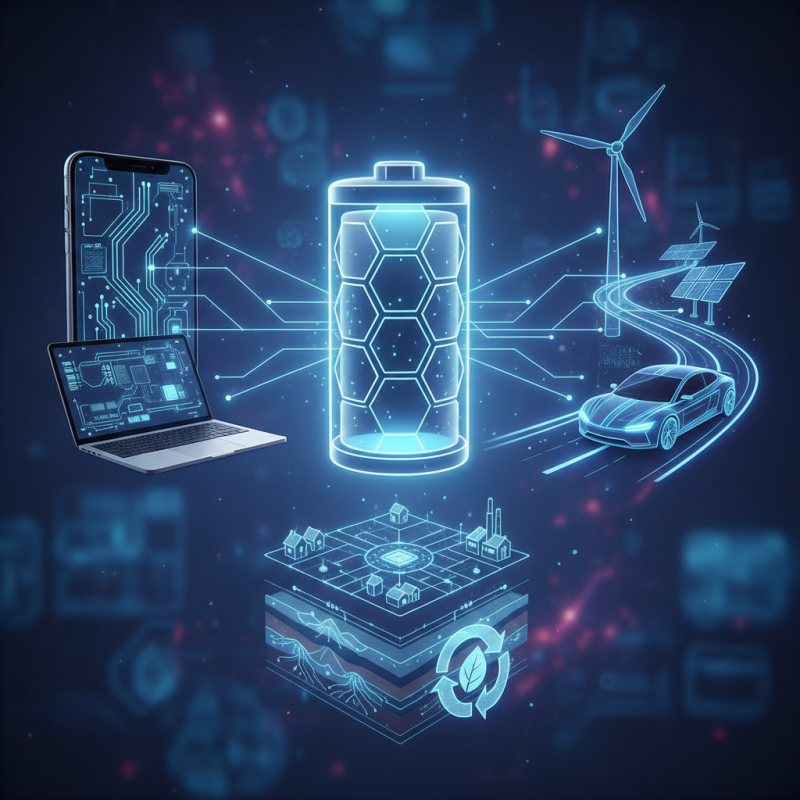
Overview of Lithium Batteries and Their Composition
Lithium batteries have become a cornerstone of modern technology, driving innovation across various sectors. Their composition primarily consists of lithium compounds, such as lithium cobalt oxide and lithium iron phosphate, which contribute to their high energy density and long life cycle. Reports indicate that lithium-ion batteries can achieve energy densities of over 250 Wh/kg, significantly surpassing traditional nickel-cadmium or lead-acid batteries. This efficiency is critical in applications like electric vehicles and portable electronics.
Despite their advantages, the production of lithium batteries raises environmental concerns. The mining process for lithium involves significant resource extraction, impacting ecosystems and water sources. Moreover, the battery lifespan presents challenges regarding recycling and disposal. As per a recent study by the International Energy Agency, around 10% of lithium batteries are currently recycled. This statistic underscores the need for improved recycling systems to mitigate environmental risks.
Furthermore, the reliance on lithium as a resource could lead to supply chain issues. A 2021 report highlighted potential shortages due to increased demand for electric vehicles. Without sustainable practices, the industry may face critical bottlenecks. The evolution of battery technology must address these shortcomings while ensuring a reliable supply chain.
The Importance of Lithium Batteries in Modern Technology
Current Applications of Lithium Batteries in Consumer Electronics
Lithium batteries play a crucial role in modern consumer electronics. They are lightweight and compact, making them perfect for portable devices. Smartphones, laptops, and tablets all rely heavily on lithium battery technology. These batteries provide a significant energy density, allowing devices to run longer on a single charge.
In addition, lithium batteries are widely used in wearable technology. Fitness trackers, smartwatches, and health monitors leverage these batteries' durability and efficiency. However, some devices struggle with battery life over time. Users often experience diminished performance, requiring more frequent charging. This limitation highlights the need for innovations in battery technology.
Another important area is electric vehicles. Lithium batteries are essential for powering these eco-friendly alternatives. Although the technology is advancing, challenges remain. High costs and sustainability issues surface within the industry. Yet, the continuing push for better rechargeable options drives research forward. This ongoing development reflects the evolving needs of consumers in the tech landscape.
The Role of Lithium Batteries in Renewable Energy Systems
Lithium batteries play a vital role in renewable energy systems. They are essential for storing energy from solar panels and wind turbines. These systems generate power intermittently. Batteries help smooth out supply and demand. During sunny or windy days, excess energy is stored. This stored energy can then be used when production drops.
The efficiency of lithium batteries is significant. They charge quickly and have high energy density. This means more energy can be stored in a smaller space. This is crucial for renewable technologies that need compact solutions. However, challenges remain. The production of lithium batteries requires careful management of resources, which can raise environmental concerns. Moreover, recycling these batteries is still an evolving field.
Despite their advantages, not all lithium batteries are created equal. Some have limitations in longevity and efficiency under extreme conditions. Research is ongoing to address these issues. As the demand for renewable energy grows, innovations in lithium battery technology will be necessary. Finding sustainable solutions will ultimately enhance their role in our shift toward greener energy sources.
Environmental Impact and Recycling of Lithium Batteries
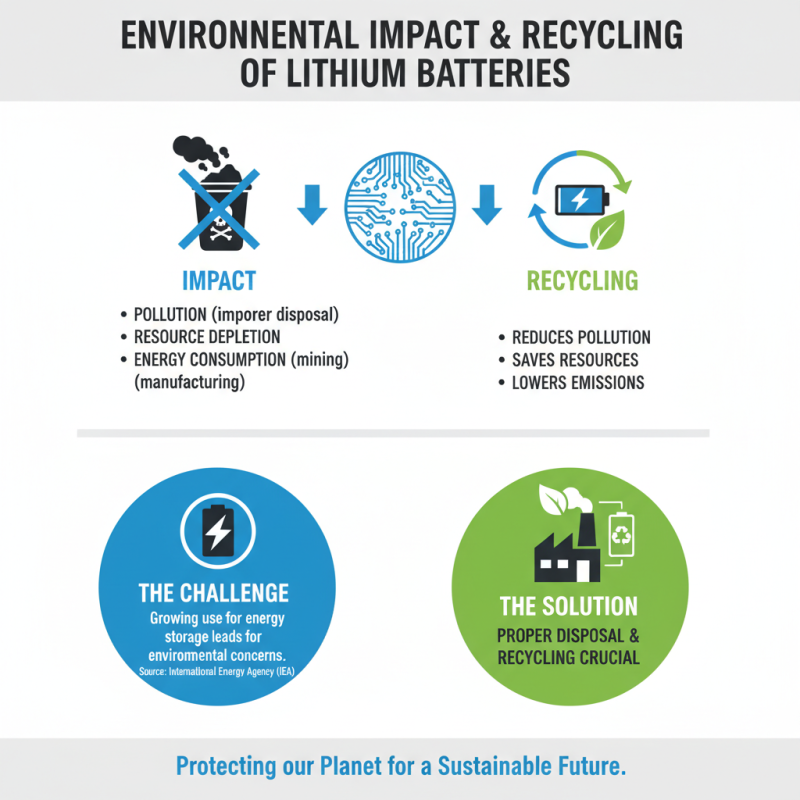
The environmental impact of lithium batteries poses significant challenges. According to the International Energy Agency, using lithium batteries for energy storage may lead to a rise in environmental concerns. These batteries contribute to pollution when improperly discarded.
Recycling lithium batteries can mitigate some of these concerns. The lithium-ion battery recycling market is projected to grow considerably, reaching $9.6 billion by 2027, as reported by Research and Markets. However, only about 5% of lithium batteries are currently recycled. This underlines a gap that needs attention.
Lithium mining, while essential for battery production, also creates environmental issues. Water scarcity and habitat destruction have been documented. Sustainable practices in lithium extraction are still developing. Effective recycling strategies can help reduce the strain on natural resources and enhance battery life cycles. The industry must work together to create solutions that prioritize both innovation and environmental responsibility.
Future Trends in Lithium Battery Technology and Innovations
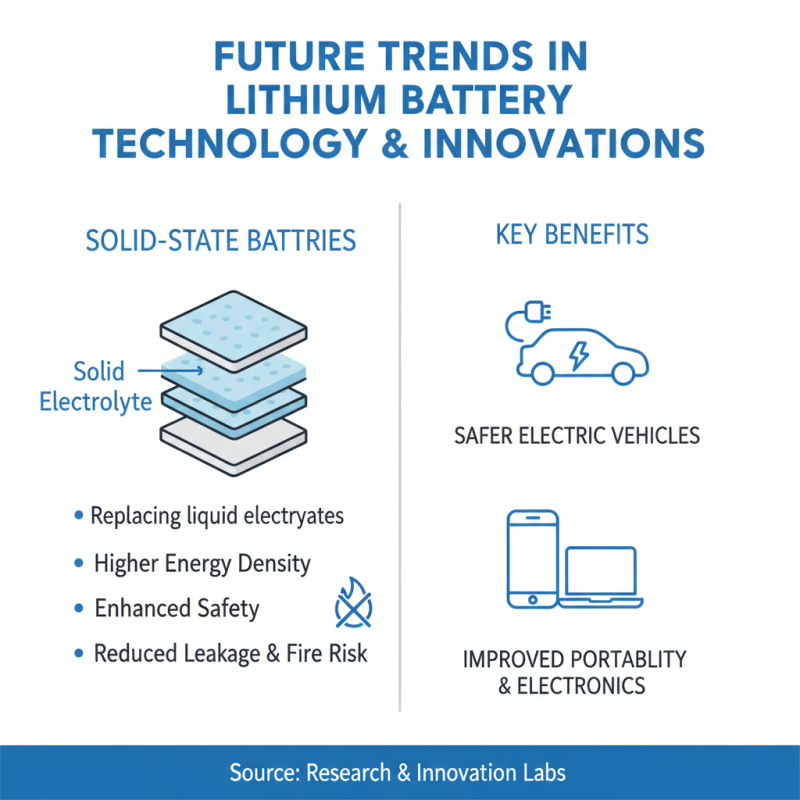
Future trends in lithium battery technology point towards remarkable innovations. Researchers are exploring solid-state batteries, which promise higher energy densities and enhanced safety. These batteries could replace liquid electrolytes with solid materials. This could lead to reduced risks of leakage and fires, ensuring safer use in electronic devices and electric vehicles.
Another exciting development is the recycling of lithium batteries. As demand grows, so does the need for sustainable practices. Innovative recycling methods are emerging. They aim to recover valuable materials, reducing the environmental impact. However, the process remains challenging. Current recycling rates are still low, highlighting an area needing improvement.
Moreover, advancements in battery life are crucial. Improving charge cycles can prolong the lifespan of batteries. Innovations in fast-charging technology are also underway. However, rapid charging can generate heat, which presents a concern. Balancing speed with safety remains a key focus. All these trends showcase a landscape ripe for reflection and continued progress in lithium battery technology.

 +86-13928815851
 CONTACT NUMBER
 CONTACT NUMBER