Uncovering the Secrets of Lipo Batteries: Essential Tips for Safety and Longevity
The rise of Lipo batteries, known for their high energy density and lightweight characteristics, has revolutionized various industries, from consumer electronics to drone technology. According to a report by MarketsandMarkets, the global lithium polymer battery market is expected to reach
$49.3 billion by 2025, underscoring its growing significance.
However, with increased usage comes a heightened responsibility for safety and proper maintenance. Lipo batteries, while powerful, are sensitive and can pose risks if not handled correctly, as indicated by the alarming statistics from the
Consumer Product Safety Commission, which reported over
300 incidents involving battery fires in recent years.
This guide aims to uncover essential tips for ensuring the safety and longevity of Lipo batteries, equipping users with the knowledge needed to harness their benefits while mitigating potential hazards.
Understanding LiPo Battery Chemistry: Key Factors Affecting Performance and Safety
The advancements in lithium iron sulfide (LiFSI)-based electrolytes are central to enhancing the performance and cost-effectiveness of lithium-polymer (LiPo) batteries. Researchers are focusing on improving ionic conductivity, which is crucial for achieving faster charging times and extended battery life. By optimizing the chemical composition and structure of these electrolytes, the entire cycle efficiency of LiPo batteries can be significantly enhanced, leading to better overall performance.
Moreover, the exploration of solid-state batteries continues to hold promise as it addresses safety issues commonly associated with traditional lithium-ion technologies. Recent studies highlight the importance of understanding mechanical properties of solid-state materials, ensuring that these next-generation batteries can withstand operational stresses while maintaining optimal performance. As research progresses, the transition towards safer, more durable, and efficient battery technologies seems increasingly feasible, potentially transforming applications across various sectors, including electric vehicles and renewable energy storage.
Uncovering the Secrets of Lipo Batteries: Essential Tips for Safety and Longevity
| Parameter |
Description |
Impact on Performance and Safety |
| Voltage |
The electrical potential difference between the battery's terminals. |
Higher voltage increases power, but can lead to overheating and failure if excessive. |
| Capacity (mAh) |
The amount of charge the battery can hold, measured in milliamp hours. |
Higher capacity means longer usage time but can increase weight and size. |
| C-Rating |
The maximum discharge rate of the battery per its capacity. |
A higher C-rating allows for increased performance, but can lead to higher temperatures. |
| Temperature |
The operational temperature of the battery during use and charging. |
Extreme temperatures can negatively impact performance and safety, leading to potential failure. |
| Charging Method |
The technique and equipment used to charge the battery. |
Improper charging can cause swelling, fire hazards, and reduced lifespan. |
| Storage Conditions |
The environment where the battery is kept when not in use. |
Poor storage can lead to self-discharge and diminished capacity over time. |
Identifying Common LiPo Battery Hazards: Tips for Safe Handling and Usage
LiPo (Lithium Polymer) batteries have gained immense popularity in various applications, from drones to remote control vehicles, due to their high energy density and lightweight characteristics. However, handling these batteries comes with inherent risks that can lead to hazardous situations if not properly managed. One of the most significant hazards is overcharging, which can cause the battery to swell, leak, or even catch fire. Therefore, always use a dedicated LiPo charger equipped with a balance feature to prevent overcharging and ensure each cell maintains a safe voltage level.
Another common hazard is physical damage. LiPo batteries are sensitive to punctures and impacts, which can lead to short circuits and catastrophic failure. It is crucial to inspect your batteries regularly for any signs of wear and tear, including swelling or dents. Additionally, storing LiPo batteries in a fire-proof container and away from flammable materials can mitigate risks. Proper storage at a recommended charge level (usually around 3.7V per cell for long-term storage) will further enhance the battery's lifespan and ensure safe handling during use.
Maximizing LiPo Battery Lifespan: Best Practices for Charging, Storage, and Maintenance
To maximize the lifespan of your LiPo batteries, adhering to best practices for charging, storage, and maintenance is essential. According to the International Society for Energy Storage, a properly maintained LiPo battery can last up to 300 charge cycles, significantly extending its usability. Optimal charging involves using a dedicated LiPo balance charger, which ensures that each cell is charged evenly, preventing issues such as cell imbalance that can lead to reduced capacity and safety hazards.

When it comes to storage, it's critical to keep LiPo batteries at a voltage of 3.7 to 3.85 volts per cell, which is considered a safe storage range. A 2021 report from Battery University highlights that maintaining batteries within this voltage range can help preserve their chemistry and prevent degradation. Additionally, storing them in a cool, dry place, away from direct sunlight, will further safeguard your batteries from temperature-related issues.
Tips: Always inspect your batteries for any signs of damage, such as puffing or discoloration, before use. Proper ventilation during charging is crucial to avoid overheating, and it's advisable to never charge your batteries unattended. Following these guidelines can ensure not only the longevity of your LiPo batteries but also the safety of your operations.
Monitoring LiPo Battery Health: Utilizing Tools and Techniques for Performance Tracking
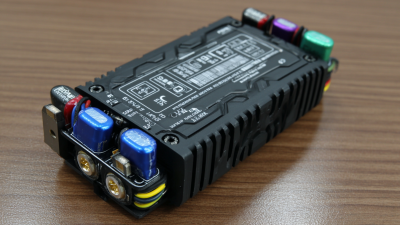
When it comes to monitoring LiPo battery health, implementing the right tools and techniques is crucial for ensuring optimal performance. One effective method is to use a LiPo battery voltage checker. This handy device provides real-time voltage readings for each cell in your battery, allowing you to quickly assess the overall condition. Regularly checking the voltage helps in identifying any cells that may be out of balance, which can lead to performance issues or even safety hazards.
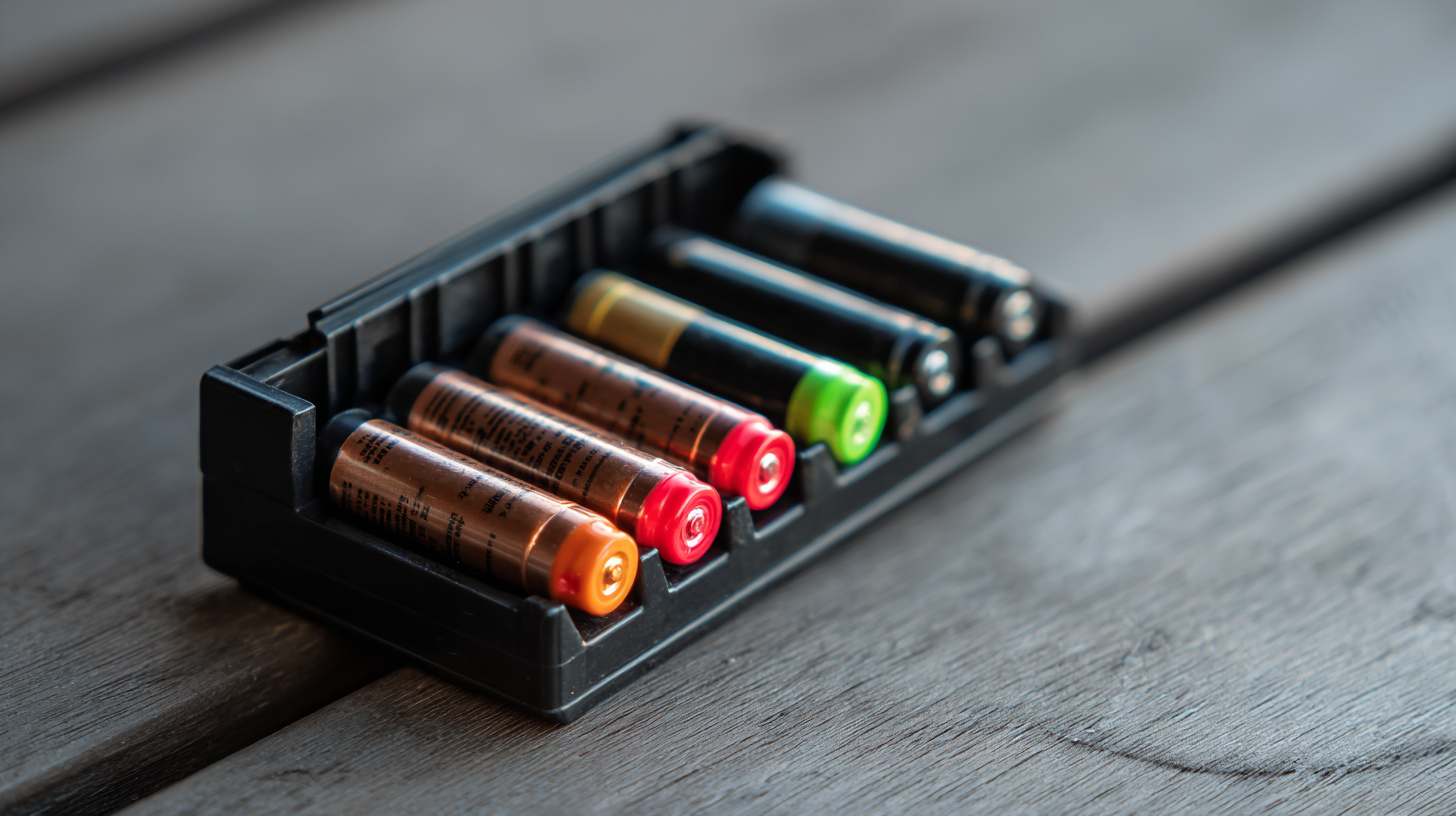
Tips for maintaining battery health include avoiding complete discharges, as this can strain the cells and reduce longevity. Aim to charge your LiPo batteries before they drop below 3.3 volts per cell. Furthermore, using a smart charger with balancing features can greatly enhance battery life by ensuring that all cells reach the same voltage level during charging. Additionally, storing your batteries at a partial charge, around 3.8 volts per cell, can prevent degradation during long periods of inactivity. By following these tips and keeping a close eye on your battery's performance, you can maximize both safety and longevity.
Recognizing Signs of LiPo Battery Failure: Safety Protocols and Emergency Responses
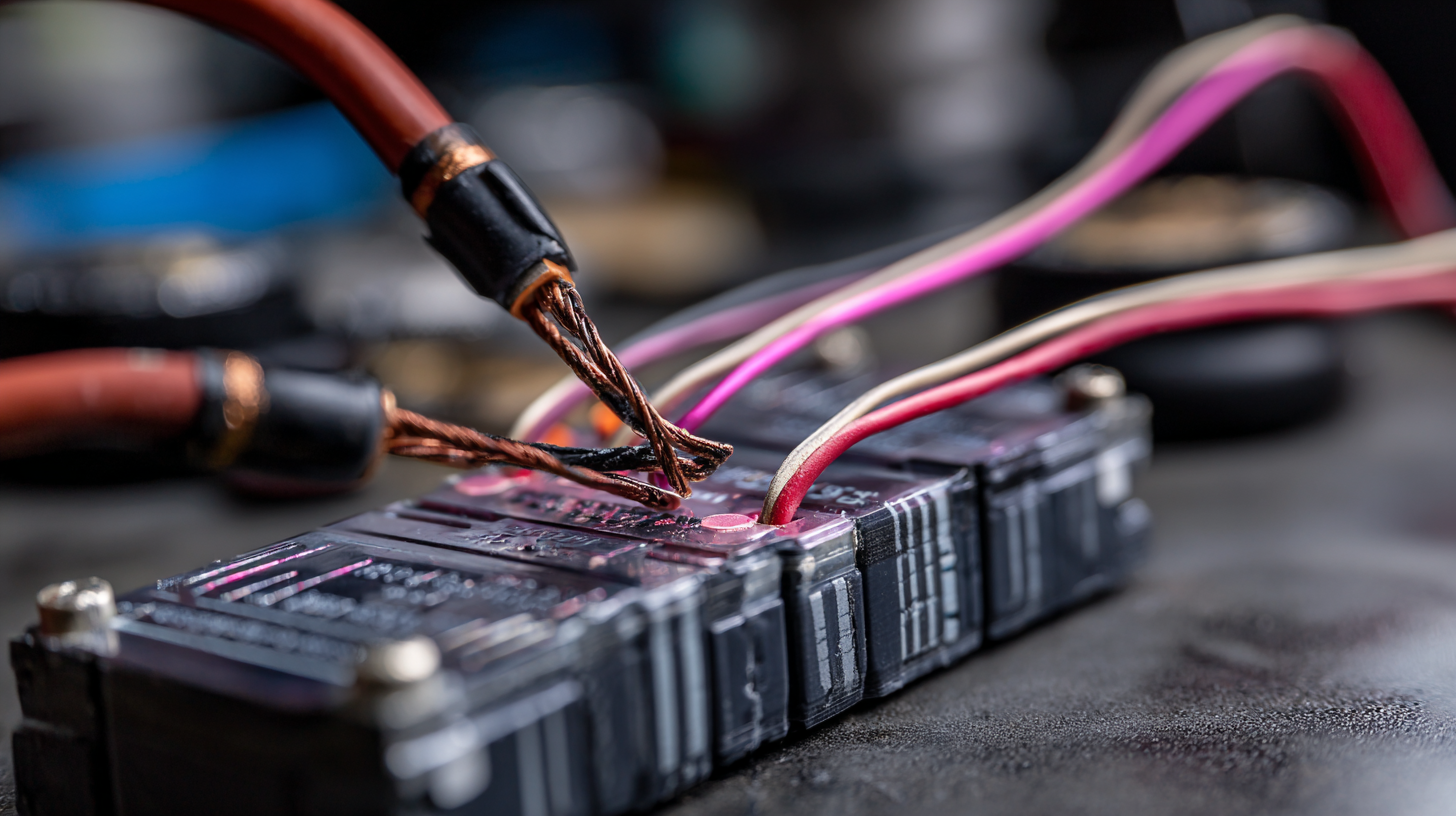
When dealing with LiPo batteries, recognizing the signs of failure is crucial for ensuring safety and proper handling. Common indicators of battery issues include swelling, unusual heating, and discoloration. If you notice any of these symptoms, it is paramount to cease usage immediately. To minimize risks, you should store LiPo batteries in a fireproof container and avoid charging them unattended. Additionally, always use a compatible charger designed specifically for LiPo batteries to prevent overcharging, which can lead to catastrophic failures.
In the event of a suspected LiPo battery failure, follow safety protocols as you would during a public health emergency. Have an emergency response plan in place, which includes safely disposing of damaged batteries and handling potential fires. In case of a fire, ensure you have access to a fire extinguisher suitable for electrical fires and prioritize getting to a safe location. Just as emergency preparedness is vital in broader contexts, applying these principles to LiPo battery management can significantly enhance safety and longevity.

 +86-13928815851
 CONTACT NUMBER
 CONTACT NUMBER