What is a Lipo Battery and How Does it Work?
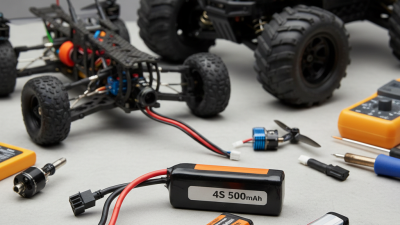
In the realm of modern technology, the Lipo Battery stands out as a revolutionary power source. This battery type powers many devices, from drones to smartphones. According to Dr. Emily Carter, a leading expert in battery technology, “Lipo Batteries are essential for today's energy needs.” Her insight reflects the importance of these batteries in our daily lives.
Lipo Batteries, or lithium polymer batteries, offer a lightweight and high-capacity energy solution. They are known for their excellent performance in high-drain applications. Each cell in a Lipo Battery operates based on lithium-ion chemistry, allowing for rapid charge and discharge cycles. However, they require careful handling. Overcharging or improper storage can lead to safety hazards.
The growing reliance on Lipo Batteries brings challenges for users. Many enthusiasts struggle with battery maintenance. A lack of understanding can lead to damaging results. With the increasing popularity of electric vehicles and portable electronics, knowledge of Lipo Battery technology is crucial for safe usage. In a world driven by innovation, the importance of mastering this technology cannot be overstated.
What is a Lipo Battery?
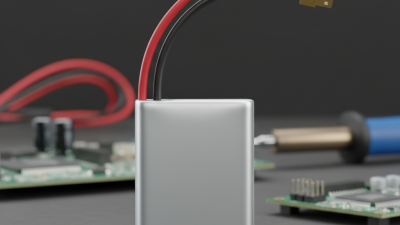
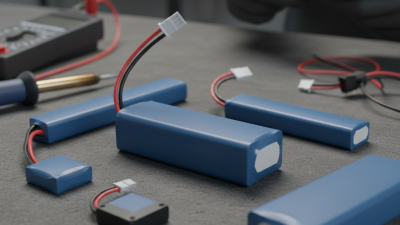
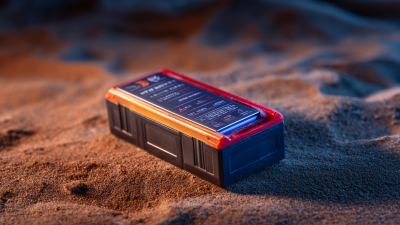
Lipo batteries, or lithium polymer batteries, are rechargeable energy sources. They are widely used in modern electronics, from drones to smartphones. These batteries consist of lithium-ion cells sealed within a flexible pouch. This design allows them to be lightweight and compact, making them ideal for portable devices.
Lipo battery technology emphasizes safety and efficiency. However, they require careful handling. Overcharging can lead to swelling or even fires. Always use the recommended charger. Regularly inspect your batteries for damage or puffing. If you notice anything unusual, it’s best to discontinue use.
Tips: Always store Lipo batteries in a cool, dry place. Keeping them at the right temperature prolongs their lifespan. Additionally, charge them only when necessary. Frequent charging can wear them out faster than expected. Understanding how these batteries work will help you use them safely.
Capacity Comparison of Common Lipo Battery Sizes
Key Components of a Lipo Battery
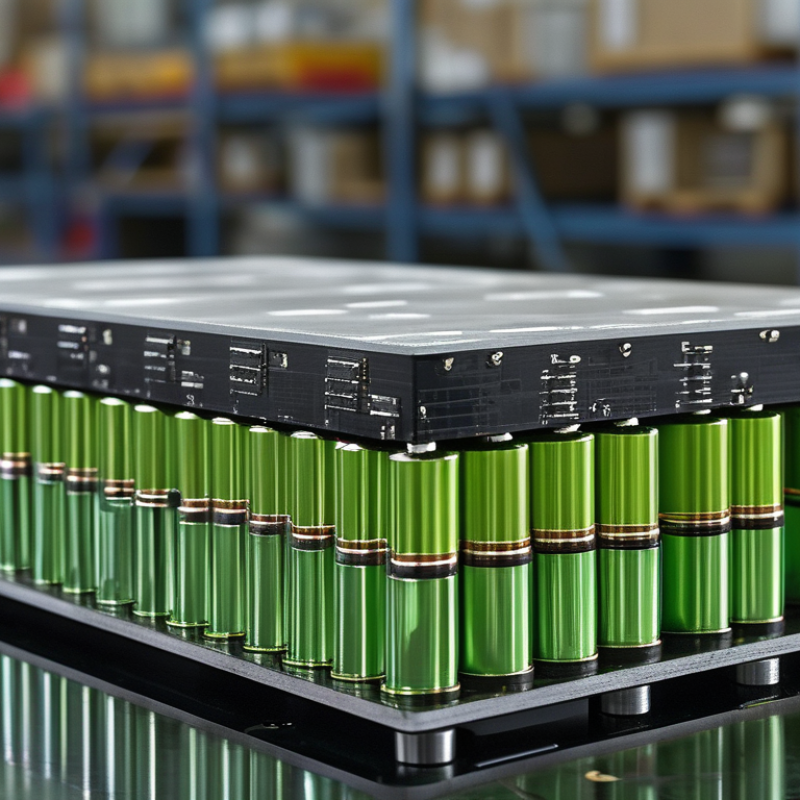
Lithium Polymer (LiPo) batteries are widely used in various applications due to their lightweight and flexible design. Understanding the key components of a LiPo battery is essential for proper usage and care. Each battery consists of multiple cells, a protective casing, and a management circuit.
The cells contain lithium ions, which store energy. This energy is released when the battery is used, powering devices like drones and remote-controlled cars.
The protective casing is usually made of durable materials, providing insulation and safety. It prevents accidental punctures, which can lead to battery failure. The management circuit ensures that the cells do not overcharge or discharge too quickly, helping prolong battery life. Inadequate management may lead to overheating or damage, so monitoring battery conditions is crucial.
Tip: Always charge LiPo batteries with a compatible charger. Using the wrong charger can damage the battery and create safety hazards. Additionally, consider storing your LiPo battery at a safe charge level. Keeping it too charged or fully drained can affect its performance. Regularly check for physical damage, as even minor issues can lead to significant problems later. Be mindful of how you handle them.
How Lipo Batteries Store and Release Energy
Lipo batteries, or lithium polymer batteries, are popular in many portable devices. They are known for their lightweight nature and high energy density. How do they store and release energy? The answer lies in their chemical composition and design.
Lipo batteries use electrolyte solutions that allow lithium ions to move between the positive and negative electrodes. This process takes place during charging and discharging. The movement of ions creates an electric current that powers devices. Data shows that Lipo batteries can achieve energy densities exceeding 150 Wh/kg, making them more efficient than traditional batteries.
However, there are challenges. Lipo batteries can be sensitive to temperature fluctuations. Overcharging or puncturing them can lead to thermal runaway, a serious safety risk. Reports indicate that improper handling accounts for 30% of battery failures in consumer electronics. Understanding these risks is crucial for safe usage. Awareness of these limitations is necessary for users, emphasizing the importance of proper handling and storage.
Applications of Lipo Batteries in Modern Technology
Lipo batteries, or lithium polymer batteries, are widely used in various modern applications. They are known for their lightweight design and high energy density. In consumer electronics, lipo batteries power devices like smartphones, tablets, and drones. The global market for these batteries is expected to reach $20 billion by 2025, according to a recent industry report. This growth reflects the increasing demand for portable power solutions.
Lipo batteries are also prevalent in the automotive industry, particularly in electric vehicles (EVs). They offer a higher energy density compared to traditional battery types. However, despite their advantages, safety concerns are significant. Incidents of overheating and potential fires can occur if batteries are not managed properly. In aviation, lipo batteries are essential for powering UAVs and passenger drones, opening new transport possibilities. Yet, their reliability in extreme conditions remains an ongoing challenge.
Interestingly, lipo batteries have applications in renewable energy storage too. Their lightweight nature is beneficial for solar-powered devices. Still, the cost of recycling these batteries poses a dilemma for sustainability. As usage expands, addressing these safety and environmental issues will be crucial. The balance between innovation and responsibility is vital for the future of lipo battery technology.
What is a Lipo Battery and How Does it Work? - Applications of Lipo Batteries in Modern Technology
| Dimension |
Value |
| Voltage (typical) |
3.7 V |
| Capacity Range |
100 mAh - 5000 mAh |
| Weight |
Lightweight (depends on capacity) |
| Common Applications |
Drones, RC Vehicles, Smartphones, Laptops |
| Charge Cycles |
300 - 500 cycles |
| Discharge Rate |
High (up to 30C for some models) |
| Safety Features |
Battery Management System (BMS), Overcharge Protection |
Safety Precautions for Using Lipo Batteries
When using Lipo batteries, safety should always come first. These batteries pack a lot of energy, which can be dangerous if not handled properly. It's essential to always use a compatible charger. Overcharging can lead to swelling or even fire. Always keep an eye on your battery during charging. If it gets too hot, disconnect it immediately.
Storage is another critical aspect. Store Lipo batteries in a cool, dry place. Avoid exposing them to extreme temperatures. A proper fireproof bag can add an extra layer of safety. Regularly check the battery’s condition. Look for swelling or damage. If you spot any issues, do not attempt to use the battery. Disposing of your Lipo batteries properly is crucial. They should be taken to a recycling facility that handles such materials.
Never ignore these precautions. Mistakes can lead to significant issues. Even experienced users can encounter problems. Remember that safety measures are here for a reason. A little caution goes a long way in ensuring your safety and the longevity of your Lipo batteries.

 +86-13928815851
 CONTACT NUMBER
 CONTACT NUMBER