How to Maintain Lipo Battery for Optimal Performance?
Maintaining a Lipo Battery is crucial for optimal performance. According to Dr. Emily Chen, a renowned battery technology expert, "The lifespan of Lipo Batteries depends significantly on how we treat them." Proper care can extend the life and efficiency of these powerful energy sources.
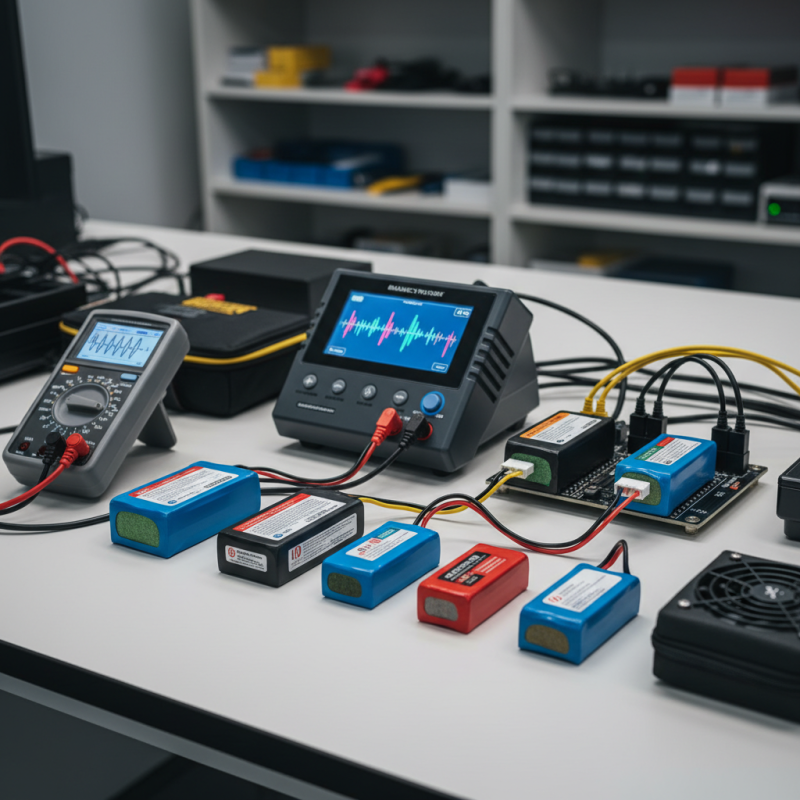
Lipo Batteries are popular in various applications, from RC vehicles to drones. However, many users overlook essential maintenance practices. Overcharging, deep discharging, and temperature extremes can severely impact battery health. Regular monitoring can prevent unexpected failures during use.
An important aspect of battery care is storage. Keeping Lipo Batteries at a moderate charge level when not in use is often neglected. Additionally, many users fail to use appropriate chargers, risking damage. Awareness and diligence in these practices can make the difference between a poorly performing battery and a reliable one.
Understanding Lipo Batteries and Their Unique Characteristics
Lipo batteries, or lithium polymer batteries, are popular in various applications, especially in RC hobbies and drones. Their unique characteristics include a lightweight structure and a flat form factor. This makes them ideal for high-performance devices. According to industry reports, Lipo batteries can deliver high discharge rates, up to 70C, which is essential for quick bursts of power. However, they also require careful handling.
One key aspect of Lipo batteries is their sensitivity to temperature. They operate best within a specific range, typically between 20°C and 30°C. Exposing them to extreme heat or cold can impact their performance significantly. Charge cycles are also crucial. Overcharging can lead to swelling and extend deterioration. Studies show that regularly monitoring cell voltage can prevent these issues, yet many users neglect this vital practice.
Moreover, storage conditions matter. Keeping batteries in a partially charged state, usually around 3.8V per cell, is ideal. This practice prolongs lifespan but is often overlooked. Users frequently forget to balance charge, leading to uneven wear. As the industry evolves, understanding these nuances becomes essential for optimal performance and safety.
LiPo Battery Performance Based on Charge/Discharge Cycles
This bar chart illustrates the remaining capacity of a LiPo battery after a certain number of charge/discharge cycles. As the cycles increase, there is a gradual decrease in capacity, highlighting the importance of maintaining proper care for optimal performance.
Best Practices for Charging Lipo Batteries Safely and Efficiently
Charging LiPo batteries safely and efficiently is crucial for optimal performance. These batteries require specific attention to prevent damage and maximize lifespan. For instance, experts recommend using a dedicated LiPo charger with safety features. A study by the Battery University indicates that improper charging can lead to reduced capacity and shorter life cycles.
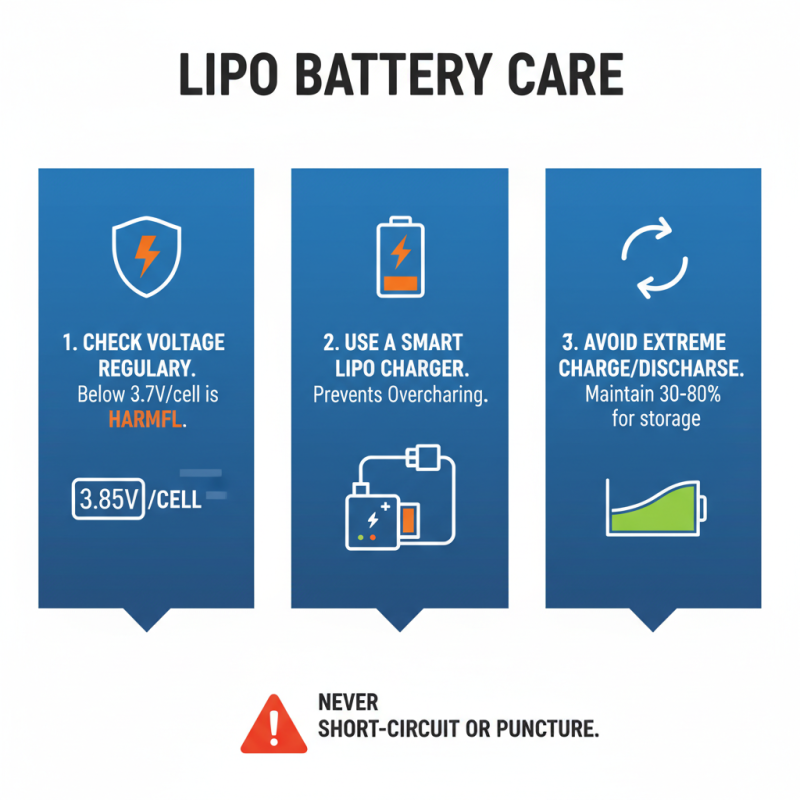
Tips: Always monitor the charging time. Most LiPo batteries charge in about one hour, depending on capacity. Never exceed the voltage limit. Overcharging can cause swelling or even fires. A good rule is to stop charging at 4.2 volts per cell.
Consider the charging environment. It should be cool and dry. Avoid flammable surfaces. The ideal charging temperature is between 20°C to 25°C (68°F - 77°F). Temperature extremes can damage the battery. Regularly check for physical damage. A slight dent could be a sign of potential failure.
Also, don’t neglect balancing the cells. An unbalanced battery pack can lead to performance issues. Use a balancer during charging to ensure all cells reach the same voltage level. This practice enhances safety and improves battery life. Regular maintenance and monitoring contribute to more efficient charging and overall safety.
Storage Guidelines for Lipo Batteries to Maximize Lifespan
When storing LiPo batteries, temperature is crucial. Ideally, keep them in a cool, dry place. High temperatures can lead to swelling and reduced capacity. Avoid leaving them in direct sunlight.
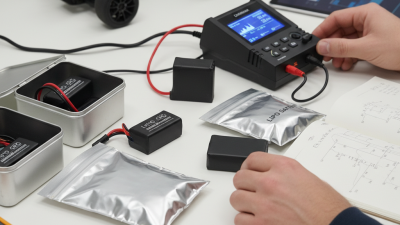
The charge level also matters. Aim for a storage charge of about 3.8 volts per cell. This level helps maintain battery health during storage. Overcharging can lead to damage. Undercharging may cause it to fall out of balance. Check your battery periodically, ensuring it stays within this voltage range.
Consider using a fireproof bag for extra safety. Even well-maintained batteries can fail. Improper storage can lead to unfortunate scenarios. It’s worth being cautious. Lifespan increases significantly with proper care. Dokument any changes you notice during storage. Awareness is key. It helps refine your storage practices over time.
Signs of Lipo Battery Damage and How to Address Them
Lipo batteries are delicate and can show signs of damage over time. One clear indicator is swelling. If the battery appears puffed up, it is a sign to take action. Swelling can occur due to overcharging or age. Discontinue use immediately. Handling a swollen battery can be risky. It’s crucial to follow proper disposal methods to avoid hazards.
Another sign of damage is a decrease in performance. If your device doesn’t last as long as before, the battery may have degraded. This slow decline can be frustrating. It may lead to unexpected shutdowns during use. Regular voltage checking can help identify issues before they worsen.
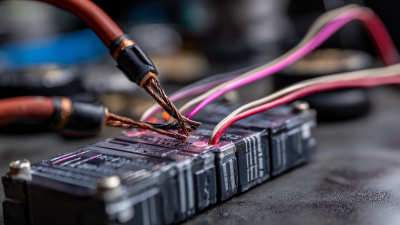
Visual inspections are also vital. Look for cracks or punctures on the battery casing. Such damage can expose the internals, increasing the risk of leakage. If you notice any physical damage, refrain from using the battery. Poor care and neglect can lead to irreversible damage, resulting in wasted resources and money. Taking time to assess battery health can improve longevity and performance.
How to Maintain Lipo Battery for Optimal Performance? - Signs of Lipo Battery Damage and How to Address Them
| Aspect |
Details |
| Optimal Storage Voltage |
3.7V to 3.8V per cell |
| Charging Rate |
1C or lower for best performance |
| Discharge Rate |
Up to 3C for most applications |
| Signs of Damage |
Swelling, discoloration, corrosion |
| Recommended Actions |
Stop use, dispose of properly |
| Temperature Range for Use |
-20°C to 60°C (-4°F to 140°F) |
| Lifespan |
Up to 300-500 cycles with proper care |
| Maintenance Tips |
Regular voltage checks, avoid deep discharges |

 +86-13928815851
 CONTACT NUMBER
 CONTACT NUMBER