Revolutionizing Energy Storage with High Temperature Battery Technology and Its Impact on Renewable Energy Efficiency
In the quest for sustainable energy solutions, significant advancements have been made in high temperature battery technology, offering a promising avenue for enhancing the efficiency of renewable energy systems. As reported by the International Energy Agency (IEA), energy storage solutions are expected to reach a market size of $200 billion by 2026, driven largely by the growing demand for grid stability and renewable energy integration. High temperature batteries, particularly those utilizing molten salt or sodium-sulfur chemistry, operate efficiently at elevated temperatures, allowing them to achieve higher cycle lives and energy densities compared to traditional batteries. This technology not only extends the lifecycle of energy storage systems but also enhances their performance in fluctuating environmental conditions, positioning high temperature batteries at the forefront of the renewable energy landscape.

As policymakers and industry stakeholders look for effective ways to meet global energy demands while reducing carbon footprints, the role of high temperature battery technology could be pivotal in revolutionizing energy storage and driving a cleaner energy future.
High-Temperature Battery Technology: A New Frontier in Energy Storage Solutions
High-temperature battery technology represents a significant breakthrough in energy storage solutions, particularly in harnessing waste heat from industrial processes. Estimates suggest that about 20% to 50% of energy in industrial applications is lost as waste heat. The development of semi-solid high-temperature molten salt batteries addresses this inefficiency by enabling the storage of excess heat energy. This innovation not only improves energy efficiency but also paves the way for more sustainable industrial practices.
Tips for harnessing high-temperature battery technology include focusing on materials that are abundant and cost-effective. As noted by energy storage expert Donald Sadoway, using readily available elements like soil can lead to products that are both efficient and affordable. By prioritizing the use of sustainable materials, companies can reduce production costs while contributing to a cleaner energy future.
Moreover, integrating high-temperature batteries into renewable energy systems can enhance their reliability and performance. By effectively capturing and storing excess energy generated from solar or wind sources, these advanced batteries can provide a consistent energy supply, thus addressing one of the most significant challenges facing renewable energy today. Embracing this technology could revolutionize how we think about energy storage and its role in supporting green energy initiatives.
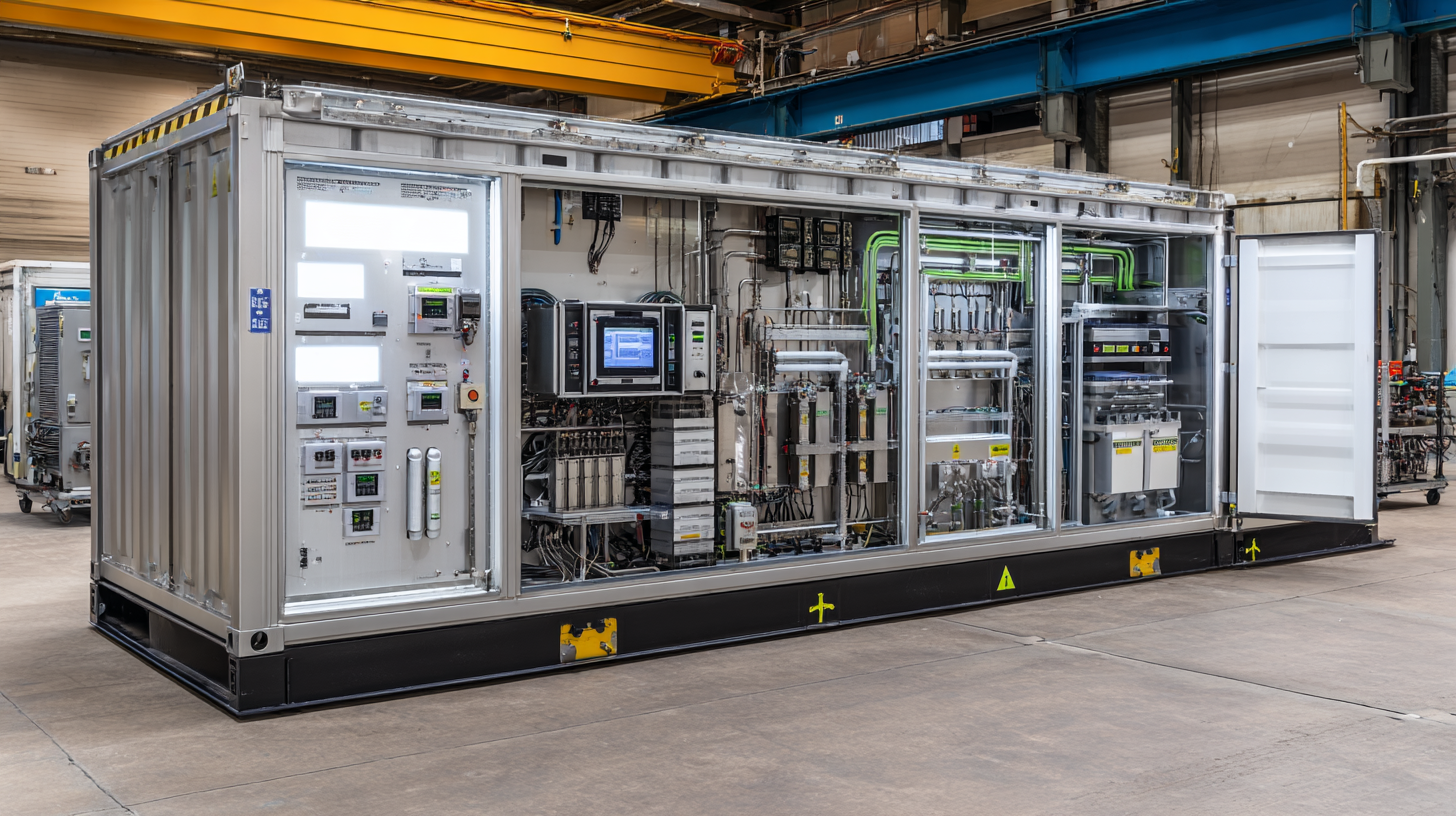
Comparative Analysis of High-Temperature Batteries vs. Traditional Lithium-Ion Batteries
High-temperature battery technology is emerging as a revolutionary alternative to traditional lithium-ion batteries, particularly in the context of energy storage for renewable energy systems. Unlike lithium-ion batteries, which operate efficiently at room temperature, high-temperature batteries utilize elevated temperatures to achieve enhanced performance. Reports indicate that these batteries can operate at temperatures exceeding 300°C, leading to improved energy density and longevity. For example, a study by the Energy Storage Association found that high-temperature batteries can offer a cycle life of over 10,000 charge-discharge cycles, compared to approximately 2,000 for conventional lithium-ion systems.
Tips: When considering energy storage solutions, evaluate the specific temperature requirements of your application. High-temperature batteries may require specialized insulation and cooling systems, so be prepared for potential initial investments that can lead to long-term savings.
Moreover, high-temperature batteries provide significant advantages in terms of safety and environmental impact. They tend to use more abundant materials such as sodium and nickel rather than lithium, which is subject to supply chain constraints and environmental concerns. The International Renewable Energy Agency (IRENA) noted that adopting high-temperature batteries could lower the carbon footprint of energy storage systems by around 30% compared to traditional options. This positions them as a viable option for industries aiming to meet sustainability goals while maximizing efficiency.
Tips: Always assess lifecycle analyses for different battery technologies to make informed decisions that align with your sustainability objectives.
Comparative Analysis of High-Temperature Batteries vs. Traditional Lithium-Ion Batteries
Impact of High-Temperature Batteries on Solar and Wind Energy Integration and Efficiency
High-temperature battery technology presents a transformative opportunity for integrating renewable energy sources like solar and wind into the power grid. Unlike traditional batteries, high-temperature batteries operate at elevated temperatures, enabling them to provide superior energy storage capabilities. This efficiency is crucial for addressing the intermittent nature of solar and wind energy. By smoothing out energy supply fluctuations, these batteries can store excess energy generated during peak production times and release it when production wanes, thereby enhancing the overall reliability of renewable energy systems.
Additionally, high-temperature batteries can significantly improve the efficiency of energy conversion processes. Their ability to operate at higher temperatures allows for quicker charge and discharge cycles, resulting in minimal energy loss. This feature is vital for solar installations, which often experience rapid changes in energy production due to cloud cover or shifting sunlight. For wind energy, these batteries can respond swiftly to changes in wind speed, ensuring that energy supply remains constant. The synergy between high-temperature batteries and renewable energy sources ultimately leads to greater deployment of clean energy technologies and reduces reliance on fossil fuels.
Market Trends: Adoption Rates and Economic Implications of High-Temperature Battery Technology
The rise of high-temperature battery technology is paving the way for significant changes in energy storage and the efficiency of renewable energy sources. The robust performance and increased longevity of these batteries make them particularly appealing to industries seeking sustainable solutions. Market trends show a gradual but consistent adoption rate as businesses recognize the economic implications. Companies are investing in high-temperature batteries not only for their sustainability benefits but also for potential cost savings linked to reduced maintenance and longer life spans compared to traditional lithium-ion batteries.
Tips: When considering a transition to high-temperature battery technology, businesses should evaluate their specific energy needs and operational conditions. Collaborating with manufacturers who offer customization options can enhance compatibility and efficiency. Additionally, staying abreast of technological advancements can help companies capitalize on innovations that may lead to further cost reductions.
Moreover, as governments implement policies to promote cleaner energy, the economic implications of high-temperature batteries become increasingly favorable. Incentives for adopting renewable technologies can offset initial investment costs, making it a viable option for many organizations. The integration of high-temperature batteries into existing infrastructures could not only improve energy efficiency but also create a competitive edge in the growing green market.
Case Studies: Successful Implementations of High-Temperature Battery Systems in Renewable Energy Projects
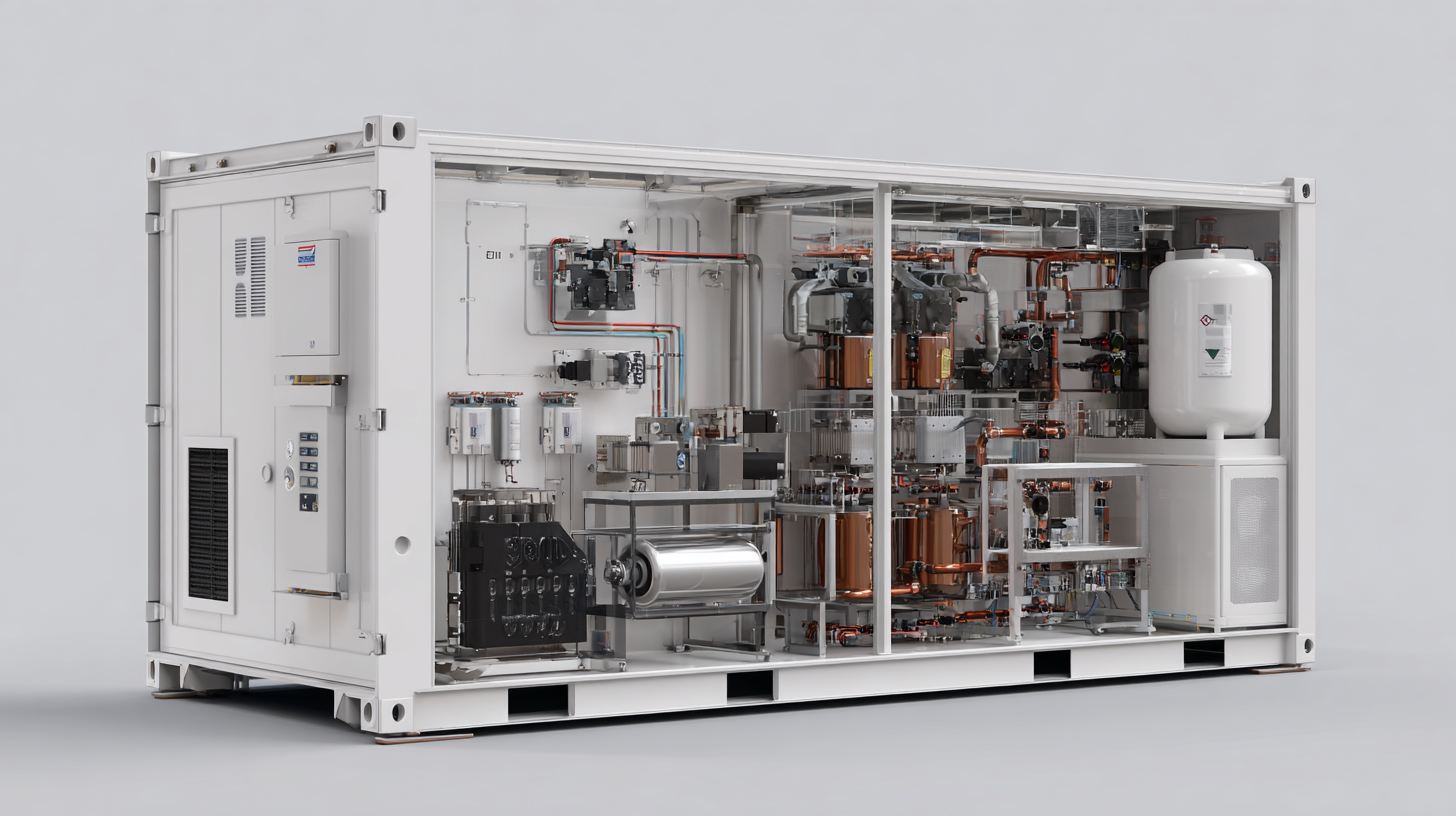 High-temperature battery systems have become a pivotal component in enhancing the efficiency of renewable energy projects. Numerous case studies showcase their successful implementation, particularly in solar and wind energy sectors. For instance, a notable project in California utilized high-temperature sodium-sulfur batteries to store excess solar energy during peak sunlight hours. This stored energy was then utilized during the evening, significantly reducing reliance on fossil fuels and optimizing grid performance.
In another example from Europe, a wind farm integrated high-temperature batteries to manage the intermittency of wind energy. By storing energy during periods of high generation and releasing it during low generation, the system improved overall energy reliability. The advanced thermal management capabilities of these batteries not only extended their lifespan but also enhanced their efficiency, making renewable energy sources more viable and consistent. These case studies highlight the transformative potential of high-temperature battery technology in driving sustainable energy solutions.

 +86-13928815851
 CONTACT NUMBER
 CONTACT NUMBER