Top 10 Tips for Safely Using Lithium Batteries?
Lithium Batteries have become essential in our daily lives, powering everything from smartphones to electric vehicles. The market for these batteries is expected to reach over $100 billion by 2025, as reported by industry experts. The increasing reliance on lithium batteries highlights the need for safe usage practices to prevent accidents. According to Dr. Emily Carter, a leading battery technology expert, “Understanding the risks associated with lithium batteries is crucial for safety.”
The inherent risks of lithium batteries necessitate careful handling. For instance, improper charging can lead to overheating and even fires. It’s alarming that there are over 200 reported incidents each year due to battery failures. Common issues often stem from cheap or counterfeit products, emphasizing the need for vigilance when purchasing. Users often overlook essential safety guidelines, which can lead to tragic outcomes.
Awareness and education play vital roles. Products using lithium batteries should come with clear instructions. Yet, many users ignore these guidelines. Dr. Carter also notes, “Preventing failures starts with simple habits.” Safety doesn’t just lie in technology; it’s rooted in user responsibility. Understanding common pitfalls can foster a safer environment for all users.

Understanding Lithium Battery Basics and Safety Features
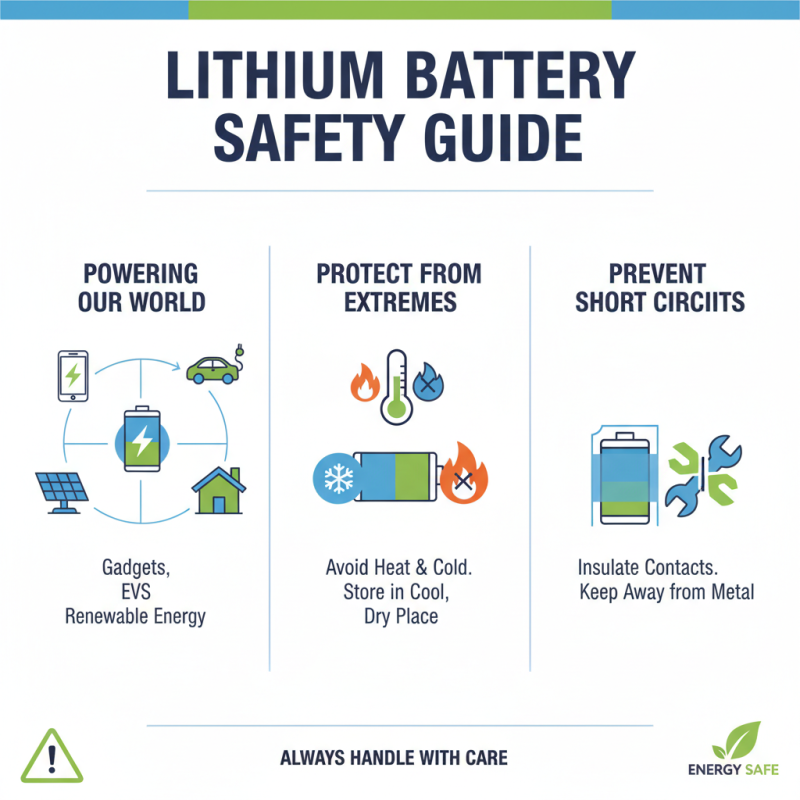
Lithium batteries have transformed our daily lives. They power gadgets, electric vehicles, and renewable energy systems. However, safety is crucial when using these batteries. Understanding their basic features can prevent accidents. Lithium batteries can overheat if not maintained properly. Their chemistry makes them sensitive to extreme temperatures. Always keep them in a cool, dry place. Insulation ensures they don’t come into contact with metal objects, which could lead to short circuits.
It’s also important to monitor your battery’s health. Regularly inspect for swelling or leaks. A slight bulge may signal a serious issue. Avoid charging overnight or in unsafe environments. This habit increases the chance of fires. Many users overlook that batteries must be recycled properly. Improper disposal contributes to environmental harm. Understand that even fully discharged batteries can hold a charge. Misjudging could lead to injury. Remember, informed habits lead to safer usage.
Identifying Common Risks Associated with Lithium Batteries
Lithium batteries are widely used in our daily devices. However, they come with risks. Identifying these risks is crucial for safe usage.
Overheating can occur if batteries are exposed to high temperatures. Always store them in a cool, dry place. Overheating can lead to fires or explosions.
Improper charging is another common risk. Using the wrong charger can damage the battery. This can result in leaks or bursts. It's essential to follow the manufacturer's guidelines.
Check for any visible damage before charging to prevent accidents.
Keep batteries away from metal objects. Short circuits can happen with items like keys or coins. This can cause battery failure or fires.
Proper disposal of old batteries is also important. Recycling programs help reduce the impact on the environment. Don't just throw them away.
Being aware of these risks can make a significant difference.
Best Practices for Charging Lithium Batteries Safely
Charging lithium batteries can be straightforward, but safety is key. Always use the charger specifically designed for your batteries. Generic chargers may cause overheating or fires. Check the voltage rating to ensure compatibility. If you're unsure, consult the battery's manual.
Monitor the charging process. Avoid leaving batteries unattended while charging. Overcharging can lead to swelling or bursting. If you notice any strange odors, disconnect immediately. Place the batteries on a heat-resistant surface rather than flammable materials. This small step can make a significant difference.
Don't ignore the battery's age. Old batteries may not charge properly and can pose risks. Replace any batteries showing signs of damage or wear. Dispose of them correctly. Regularly inspect connections and terminals for corrosion. These practices might seem tedious but create a safer experience. Stay vigilant with your battery usage.
Top 10 Tips for Safely Using Lithium Batteries
Proper Storage Techniques for Lithium Batteries
Proper storage techniques for lithium batteries are essential to ensure their longevity and safety. It’s crucial to store them in a cool, dry place. Extreme temperatures can cause damage or leakage. Aim for a temperature range between 20°C to 25°C. Avoid direct sunlight, as heat can increase the risk of failure.
Another important aspect is to keep the batteries at a moderate charge level. Ideally, store them with a charge between 30% and 50%. This helps maintain their capacity over time. Avoid fully depleting or overcharging them, as both can lead to decreased lifespan and performance.
Use a fire-safe container for storage. This adds an extra layer of safety in case of any issues. Regularly inspect the batteries for any signs of swelling or leaks. If you find any problems, it’s essential to dispose of the batteries properly. Don't just throw them away carelessly. Reflect on these practices. Storing lithium batteries safely requires attention to detail and awareness of potential hazards.
Top 10 Tips for Safely Using Lithium Batteries - Proper Storage Techniques for Lithium Batteries
| Tip Number |
Storage Tip |
Details |
| 1 |
Keep at Room Temperature |
Store lithium batteries at a temperature between 20°C and 25°C (68°F to 77°F) for optimal performance. |
| 2 |
Avoid Humidity |
Keep batteries in a dry environment to prevent moisture damage and corrosion. |
| 3 |
Use Original Packaging |
Store batteries in their original packaging to prevent short circuits or contact with metal objects. |
| 4 |
Charge Before Long-term Storage |
Ensure batteries are charged to around 50% before storing for extended periods. |
| 5 |
Avoid Extreme Temperatures |
Do not store batteries in areas that experience significant heat or cold, as it can damage the battery. |
| 6 |
Store in a Cool Location |
Choose a well-ventilated and cool location, preferably away from sunlight. |
| 7 |
Keep Away from Flammable Materials |
Do not store batteries near flammable materials to reduce fire risk. |
| 8 |
Regularly Inspect Batteries |
Check batteries periodically for swelling, leakage, or signs of damage. |
| 9 |
Label Batteries |
Label batteries with their date of purchase or expected end of life for better tracking. |
| 10 |
Dispose Properly |
Follow local regulations for disposal or recycling of lithium batteries to prevent environmental harm. |
Disposing of Lithium Batteries Responsibly and Safely
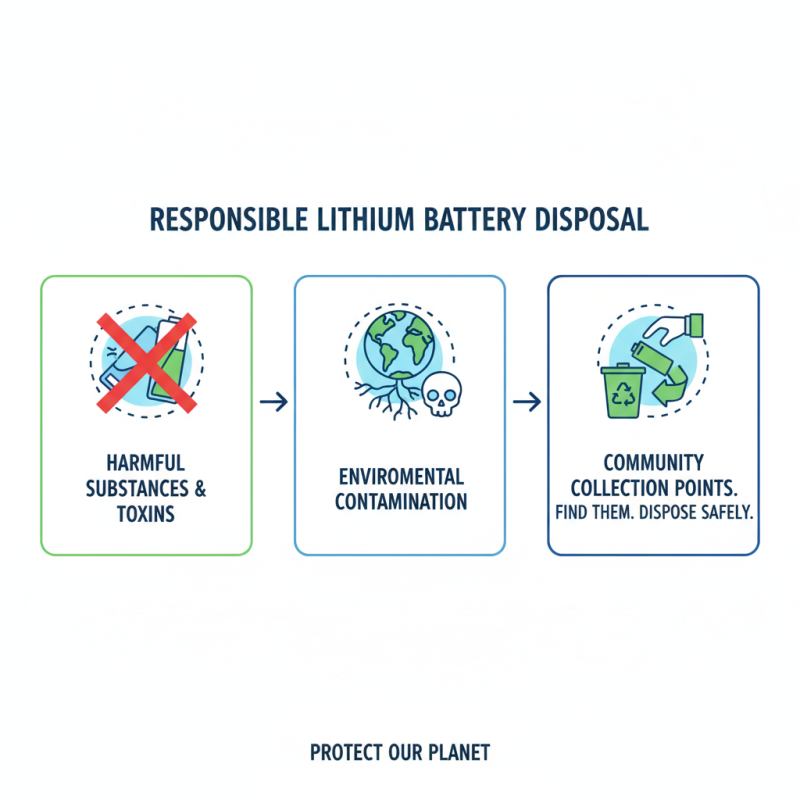
Disposing of lithium batteries responsibly is crucial. These batteries contain harmful substances. If not disposed of properly, they can leak toxins into the environment. Many communities have collection points for these batteries. Seek them out to ensure safe disposal.
When storing used batteries, avoid keeping them in direct sunlight or highly humid areas. This can cause leaks and dangerous chemical reactions. Instead, place them in a cool, dry location. Ensure terminals are covered to prevent potential short-circuits.
After disposal, reflect on your usage habits. Are you replacing batteries too often? Consider rechargeable options to minimize waste. By being mindful of your choices, you contribute to a healthier planet.

 +86-13928815851
 CONTACT NUMBER
 CONTACT NUMBER