Maximizing Performance: The Impact of Voltage Drop on 2S Lipo Battery Efficiency in RC Applications
In the realm of remote control (RC) applications, the
2S Lipo Battery has become a cornerstone for
powering high-performance devices, owing to its favorable energy-to-weight ratio and discharge capabilities.
However, voltage drop—a crucial factor often overlooked—can significantly impact the
efficiency and overall performance of these batteries during operation. Research indicates that voltage drop can
lead to as much as a 20% decrease in output power, thereby affecting
the speed and responsiveness of RC vehicles,
drones, and other related technologies. Industry
reports suggest that optimizing battery performance by minimizing voltage drop can enhance efficiency,
maximizing playtime and operational reliability. Consequently, understanding the dynamics of voltage drop in
2S Lipo Batteries is essential for enthusiasts and
professionals alike, ensuring they harness the full potential of their RC systems while maintaining peak performance.
Understanding Voltage Drop: What It Means for Your 2S Lipo Battery
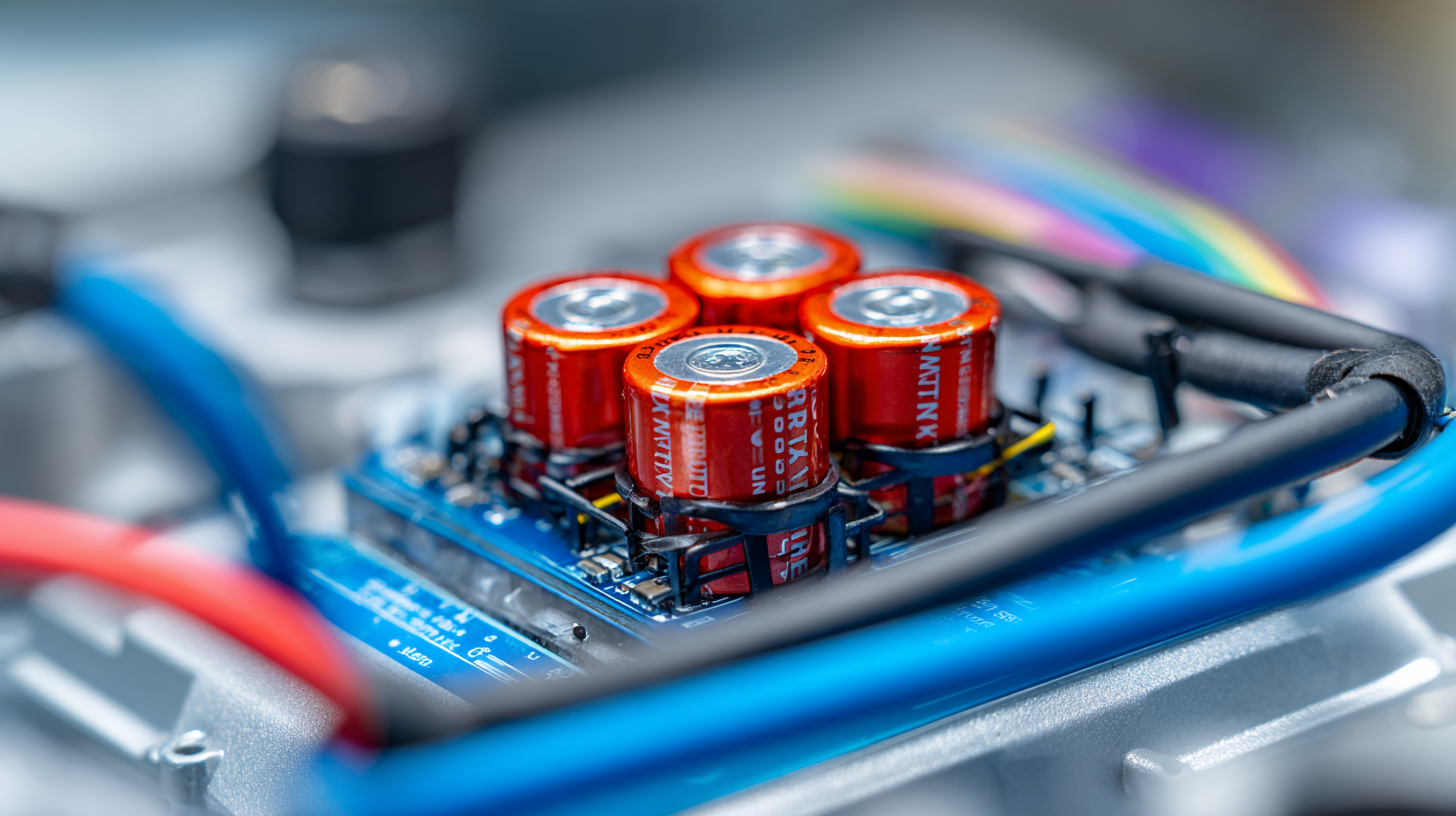
Understanding voltage drop is crucial for optimizing the efficiency of 2S LiPo batteries, particularly in remote control (RC) applications. Voltage drop occurs due to the inherent resistance in the battery and its connections, which can lead to a significant reduction in performance. As current flows through the battery, energy is dissipated as heat, causing the effective voltage delivered to decrease. This drop not only impacts the battery's output but also affects the overall performance of the RC device, especially during high-demand situations such as extended bursts of acceleration or sustained power draw.
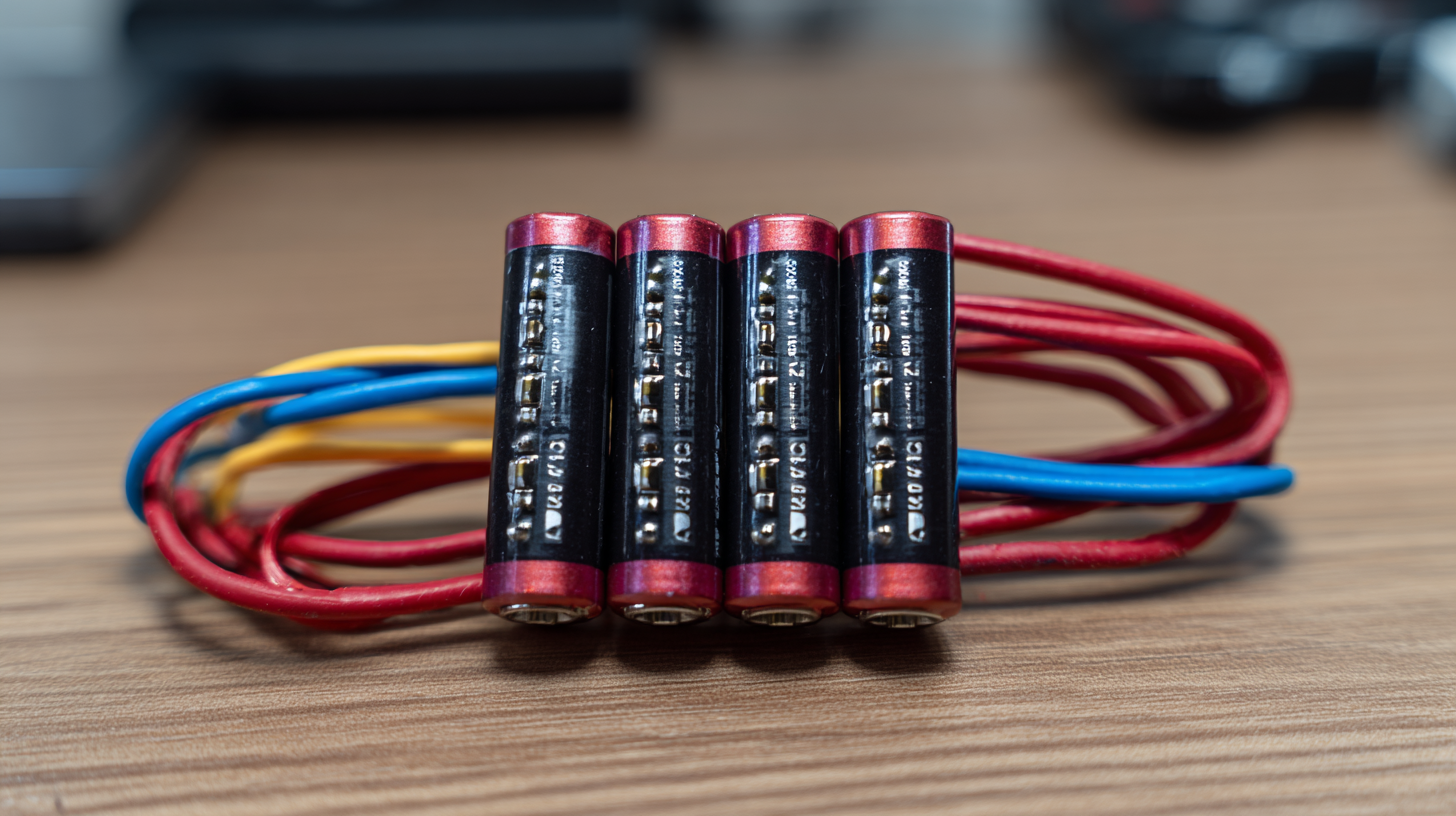
In essence, minimizing voltage drop can enhance the reliability and efficiency of your 2S LiPo battery system. This can be achieved through proper wiring techniques, using higher quality connectors, and ensuring that the battery is well-maintained. Awareness of how voltage drop influences battery performance will help operators make informed decisions about their battery usage, ultimately improving their RC experiences. By addressing these factors, hobbyists can maximize their battery's potential, ensuring longer run times and better responsiveness in their devices.
Identifying Major Causes of Voltage Drop in RC Applications
In remote control (RC) applications, the efficiency of a 2S LiPo battery can be significantly affected by voltage drop, which is primarily caused by several factors. One of the major contributors to this voltage loss is the resistance in the wiring and connectors. As current flows through these components, a portion of the voltage is wasted due to resistive heating, which is especially problematic during high-load situations where peak currents are drawn. Additionally, degraded or corroded joints can further exacerbate the issue, leading to even greater losses that diminish overall performance.
Another important cause of voltage drop in RC applications is the length of the cables used. Longer cables increase resistance, which in turn heightens the likelihood of voltage sag, particularly under load. This becomes crucial when considering the placement of components and the routing of wires in RC setups. Ensuring optimal cable lengths and using appropriately sized wires can mitigate these losses, thereby maximizing the efficiency of the battery system. Advances in connector technology and materials also play a vital role in reducing voltage drop, helping to maintain consistent performance and prolong battery life in demanding conditions.
Maximizing Performance: The Impact of Voltage Drop on 2S Lipo Battery Efficiency in RC Applications - Identifying Major Causes of Voltage Drop in RC Applications
| Cause of Voltage Drop |
Description |
Impact on Efficiency (%) |
Mitigation Strategies |
| High Current Draw |
Excessive current demands during operation can lead to significant voltage drop. |
15-20% |
Use larger gauge wires; reduce resistance in connections. |
| Poor Connections |
Loose or corroded connectors cause increased resistance, leading to voltage drops. |
10-15% |
Regular maintenance; use quality connectors. |
| Length of Wires |
Longer wire lengths increase resistance, resulting in voltage drops. |
5-10% |
Shorten wire lengths; optimize routing. |
| Battery Condition |
Aging or damaged batteries have less capacity to maintain voltage under load. |
20-30% |
Inspect and replace old or damaged batteries. |
Practical Tips to Minimize Voltage Drop for Enhanced Performance
Minimizing voltage drop is essential for maximizing the efficiency of 2S LiPo batteries in RC applications. One effective method is to use thicker, high-quality wires for connections, as this reduces resistance and minimizes energy loss during power transfer. Additionally, ensuring all solder joints are clean and secure can further enhance conductivity, allowing the full potential of the battery to be harnessed.
Another practical tip is to optimize the placement of components within the RC vehicle. Keeping wiring lengths as short as possible not only reduces the chance of voltage drop but also improves overall response time. It’s also beneficial to use low-resistance connectors, which can significantly impact performance by reducing the resistance in the power delivery path. Regular maintenance, including checking for wear and tear on wires and connectors, will help sustain efficient battery performance and prolong the lifespan of both the battery and the RC system.
Analyzing the Relationship Between Voltage Drop and Battery Life
Voltage drop is a critical factor influencing the efficiency and lifespan of 2S LiPo batteries in remote control (RC) applications. As the battery discharges, internal resistance can lead to significant voltage drops, diminishing the actual voltage delivered to the motor, which impacts performance since many RC systems rely on precise voltage levels for optimal function. A recent analysis indicates that even a small voltage drop can result in proportional increases in current draw to maintain power outputs, leading to accelerated heat generation and subsequent capacity loss. This is particularly crucial for lithium-ion batteries, where long-term cycling can exacerbate reversible and irreversible capacity losses.
Moreover, the relationship between voltage drop and battery life is significant. Studies show that maintaining optimal voltage levels through effective management strategies can enhance battery longevity. Battery health metrics, such as differential capacity (dQ/dV) curves, provide insights into how voltage fluctuations affect capacity retention over time. Reports suggest that strategic design improvements, including robust thermal management systems, can mitigate the adverse effects of voltage drop on battery life, leading to more efficient and longer-lasting energy storage solutions in the demanding environments of RC applications.
Maximizing Performance: The Impact of Voltage Drop on 2S Lipo Battery Efficiency in RC Applications
This chart illustrates the relationship between voltage drop and the efficiency of 2S Lipo batteries across different load conditions in RC applications. As voltage drop increases, battery efficiency tends to decrease, impacting overall performance and operational time.
Best Practices for Testing and Monitoring Voltage in RC Systems
In RC applications, monitoring and testing voltage is crucial for optimizing the performance of 2S Lipo batteries. Recent industry reports indicate that a voltage drop of just 0.1V can lead to a performance loss of up to 5%, significantly impacting overall efficiency. To accurately assess voltage levels, hobbyists should utilize high-quality multimeters or telemetry systems designed for real-time monitoring. This allows for immediate adjustments to be made, preventing excessive voltage drop during critical phases of operation.
Best practices suggest conducting systematic tests under varying load conditions to understand how voltage behaves throughout different operating scenarios. According to a study published by the International Journal of Electronics, maintaining voltage within 3.7V per cell is vital for peak performance, as deviations beyond this range can lead to decreased power delivery and increased heat generation. Regularly checking connections and using thicker gauge wires can also minimize resistance and mitigate voltage drop, ensuring your RC system remains responsive and efficient during intense runs.

 +86-13928815851
 CONTACT NUMBER
 CONTACT NUMBER