Why Choose a 3.7 V Lipo Battery for Your Electronics Needs?
Choosing the right battery is crucial for electronic devices. Experts often recommend the 3.7 V Lipo Battery for its unique advantages. Dr. Emily Carter, a leading figure in battery technology, states, "The 3.7 V Lipo Battery offers unmatched power-to-weight ratio for compact devices."
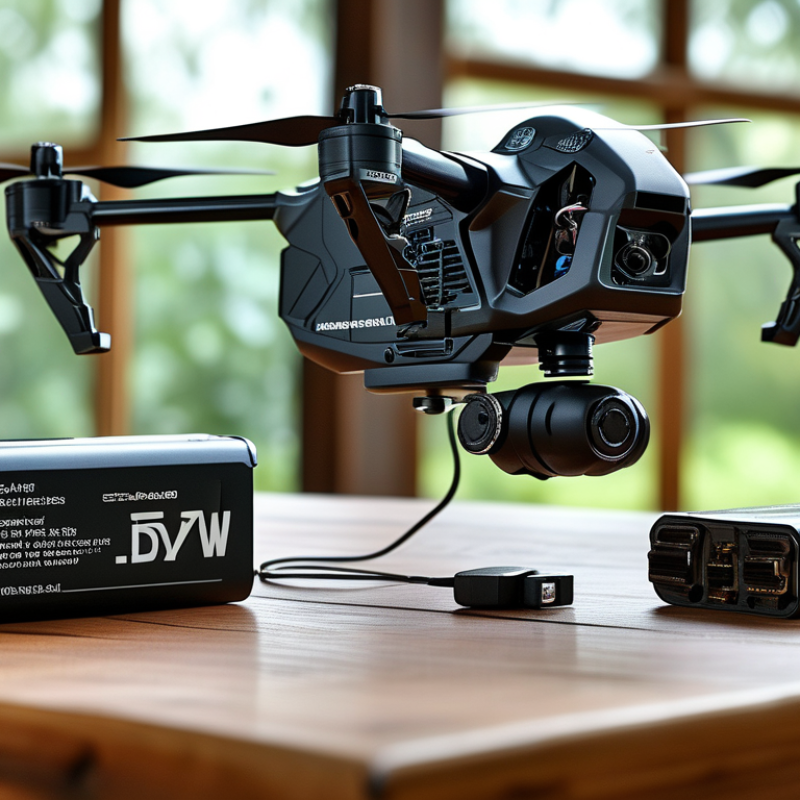
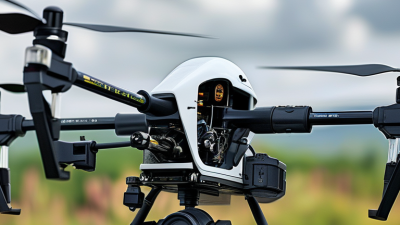
This battery type is favored for its lightweight design and high energy density. It enables longer usage times and efficient performance in gadgets like drones and smartphones. The efficiency of a 3.7 V Lipo Battery can significantly enhance user experience.
However, there are challenges. Users need to handle these batteries carefully. Improper charging or storage can lead to degradation. It’s essential to stay informed about best practices. The 3.7 V Lipo Battery is indeed powerful, but it also demands respect and proper usage to truly shine.
Benefits of Using a 3.7 V Lipo Battery in Electronics
The 3.7 V LiPo battery has become a popular choice in the electronics industry. Its compact size and lightweight design make it ideal for portable devices. According to a report from the Battery University, LiPo batteries offer a power capacity that can reach up to 150 Wh/kg. This density allows manufacturers to design smaller gadgets while maintaining high performance. Many users appreciate this balance between weight and energy efficiency.
In addition, LiPo batteries have a low self-discharge rate, typically around 3% per month. This characteristic ensures that devices remain operational for extended periods without needing frequent recharges. Professionals in the field often note that this reliability is essential for applications in drones and smartphones. However, it’s crucial to handle them with care, as improper charging can lead to safety issues.
Another significant advantage is their ability to provide a constant voltage output. This stability enhances device performance across various applications. However, the need for a compatible charging circuit creates complexity. Some users may struggle with this aspect, highlighting the importance of understanding the technology. Given the rapid evolution in battery technology, ongoing education in this area is vital for both manufacturers and consumers.
Key Features of 3.7 V Lipo Batteries
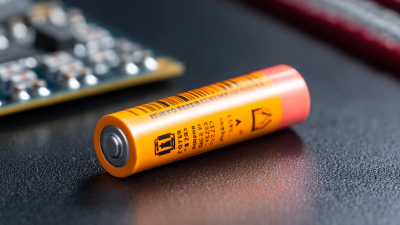
When considering power solutions for electronics, the 3.7 V LiPo battery stands out. Its compact size and lightweight design make it ideal for portable devices. Many hobbyists and engineers favor this battery for drones, remote controls, and wearables. Its energy density is impressive, providing substantial power in a small package. For projects requiring efficient energy use, this battery is a smart choice.
Key features of 3.7 V LiPo batteries add to their appeal. They typically have a high discharge rate, meaning they can deliver power quickly. This is crucial for devices needing instant energy bursts. Moreover, they sustain a consistent voltage output, which is vital for optimal device performance. Users appreciate the low self-discharge rate, allowing them to hold a charge longer when not in use.
However, using LiPo batteries isn't without complications. Overcharging can pose risks, leading to potential swelling or hazards. Proper charging equipment and safety precautions are necessary. Understanding how to maintain these batteries is critical. Users must be aware of their limits, as pushing them too hard can result in shorter lifespans. Balancing efficiency and care is essential when integrating these batteries into your projects.
Key Features of 3.7 V Lipo Batteries
Applications of 3.7 V Lipo Batteries in Consumer Electronics
3.7 V LiPo batteries have become essential in consumer electronics. Their lightweight design and high energy density make them ideal for various applications. In 2022, the global market for lithium polymer batteries reached approximately $5 billion and is expected to grow steadily.
One of the primary applications is in smartphones. A typical smartphone often uses a 3.7 V LiPo battery, allowing for sleek designs without sacrificing power. These batteries can reach capacities of up to 3,000 mAh, ensuring more extended usage between charges. Furthermore, tablets and wearables also rely on these batteries, thanks to their compact size and ability to hold significant charge in a small footprint.
However, there are some limitations to consider. Safety concerns can arise if these batteries are not properly handled. Reports indicate that poor usage can lead to overheating or damage. This necessitates designing devices with built-in safety features. As the demand for portable gadgets continues to rise, the 3.7 V LiPo battery remains a popular choice, yet it still demands cautious handling and innovative solutions to overcome its inherent risks.
Why Choose a 3.7 V Lipo Battery for Your Electronics Needs? - Applications of 3.7 V Lipo Batteries in Consumer Electronics
| Application |
Typical Voltage |
Capacity (mAh) |
Advantages |
Common Devices |
| Smartphones |
3.7 V |
2000 - 4000 |
Lightweight, high energy density |
iPhone, Android devices |
| Tablets |
3.7 V |
3000 - 10000 |
Fast charging, compact size |
iPad, Android Tablets |
| Drones |
3.7 V |
1500 - 5000 |
High discharge rates, lightweight |
Quadcopters, aerial photography drones |
| Wearable Devices |
3.7 V |
100 - 1000 |
Small size, customizable |
Smartwatches, fitness trackers |
| Portable Electronics |
3.7 V |
1000 - 5000 |
Rechargeable, multiple cycle times |
Bluetooth speakers, handheld consoles |
Comparison of 3.7 V Lipo Batteries with Other Battery Types
When considering battery types for electronics, 3.7 V LiPo batteries offer several advantages over traditional options.
They provide high energy density, which translates to longer run times for devices. Reports indicate that LiPo batteries have about twice the energy density compared to NiMH batteries.
This means a 3.7 V LiPo can store more power in a smaller space.
The discharge rate is another attractive feature. LiPo batteries deliver high currents rapidly, making them perfect for high-performance applications.
In contrast, NiCd batteries often struggle to meet the demands of high-drain devices. However, LiPo technology requires precise charging and can be volatile if improperly handled.
Users must understand safety protocols to prevent incidents.
Cost is also a factor worth examining. While 3.7 V LiPo batteries may incur a higher initial purchase price, their longevity and performance may justify the expense.
An industry report suggests that users can typically expect a lifecycle of over 300 charge cycles. Many consumers may overlook this when making battery choices.
Understanding these details can lead to more informed decisions in electronics.
Safety Considerations When Using 3.7 V Lipo Batteries
Safety is crucial when using 3.7 V LiPo batteries. These batteries can be powerful and efficient, yet they pose risks if not handled properly. The most common issue is overheating. When overcharged or short-circuited, they can generate excessive heat, potentially leading to fires or explosions. Always monitor the charging process and use a compatible charger designed for LiPo batteries.
Storage conditions also matter. Keep LiPo batteries in a cool, dry place. Extreme temperatures can cause performance issues. Avoid leaving them in hot cars or near heat sources. It’s advisable to store them at a partial charge, typically around 3.7 V. This helps maintain battery life and minimizes risks during storage.
Another aspect to consider is physical damage. Inspect batteries regularly for any signs of puffing, dents, or leaks. Such defects can indicate internal damage. Dispose of damaged batteries properly. Ignoring physical issues can lead to serious hazards. Always prioritize safety practices. Adhering to guidelines can significantly reduce risks and enhance the longevity of your devices.

 +86-13928815851
 CONTACT NUMBER
 CONTACT NUMBER