Why Choose Lithium Batteries for Your Next Project?
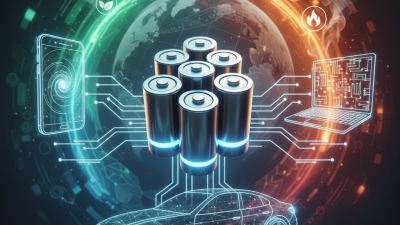
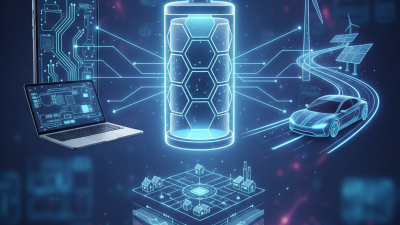
When choosing the right energy solution for your next project, consider Lithium Batteries. These power sources have gained popularity due to their numerous benefits. Lightweight and compact, they provide a powerful energy solution without the bulk. This makes them ideal for a range of applications, from portable electronics to electric vehicles.
Lithium Batteries offer exceptional energy density and longevity. They can hold a charge longer than traditional batteries, which reduces the need for frequent replacements. However, they do require careful handling and management to avoid risks. Understanding their chemistry is crucial for safe usage.
While there are challenges associated with Lithium Batteries, their advantages often outweigh the drawbacks. Projects benefit from their reliability and efficiency. As industries move toward sustainable energy solutions, adopting Lithium Batteries seems like a sound decision. This shift reflects a commitment to innovation and efficiency in modern designs. Evaluating your project's specific needs can guide you toward the best choice.

Benefits of Lithium Batteries Over Traditional Energy Sources
Lithium batteries have become a popular choice for many projects. They offer distinct advantages over traditional energy sources. For instance, lithium batteries are generally lighter and more compact. This makes them easy to transport and install. Their energy density is impressive, allowing them to store more power in a smaller space. Projects requiring high efficiency benefit greatly from this feature.
Another important aspect is their lifespan. Lithium batteries typically outlast their traditional counterparts. They can endure more charge and discharge cycles. This longevity means less frequent replacements, which can save money long term. Additionally, lithium batteries perform well in various temperatures. This reliability is essential for projects in challenging environments.
Despite these benefits, some drawbacks exist. The initial cost of lithium batteries can be higher than traditional options. It’s crucial to consider both immediate and long-term expenses. Also, while lithium is abundant, sustainability is a concern in sourcing materials. Thoughtful planning is necessary to address these challenges. Overall, weighing these factors can lead to smarter project decisions.
Performance Metrics: Energy Density and Lifecycle of Lithium Batteries
When exploring battery options for projects, energy density plays a crucial role. Lithium batteries stand out in this aspect. They offer a higher energy density compared to traditional lead-acid batteries. This means they can store more energy in a smaller space. For projects with size constraints, this is a significant advantage.
Lifecycle is another critical metric. Lithium batteries can undergo numerous charge cycles before their performance declines. On average, they last longer than their counterparts, offering around 2,000 to 5,000 cycles. This longevity translates into reduced costs over time, especially for applications requiring frequent replacements.
However, it's essential to consider the initial costs. While lithium batteries may seem expensive upfront, their efficiency can offset these expenses. Their high energy output leads to fewer charging cycles, which is beneficial. Choosing the right battery still requires careful thought and analysis. Each project's needs are different, and what's ideal for one may not suit another.
Environmental Impact: Recycling and Sustainability of Lithium Technologies
Lithium batteries have gained popularity due to their efficiency and performance. When discussing sustainability, their environmental impact is significant. A report from the International Battery Association indicates that over 90% of lithium-ion batteries can be recycled. This statistic underscores the potential for minimizing waste.
Recycling lithium batteries is a complex process. It requires advanced technologies and designated facilities. While some regions excel in creating effective recycling programs, others still face challenges. It's crucial for stakeholders to invest in better infrastructure. Effective recycling can reduce greenhouse gas emissions by up to 60%, according to the U.S. Department of Energy.
Despite the benefits, there are concerns about lithium mining. Water use and habitat disruption can lead to environmental harm. Sustainable mining practices are needed to mitigate these issues. Efficient recycling systems could lessen reliance on new lithium sources. This way, the industry can work towards a more sustainable future while addressing existing challenges.
Cost Analysis: Long-Term Savings with Lithium Battery Investments
Lithium batteries have revolutionized energy storage. Their long lifespan and efficiency make them a solid choice for projects. They last longer than traditional batteries, leading to fewer replacements. The initial investment may seem high, but the long-term savings can be substantial.
Consider the operational costs. Lithium batteries require less maintenance and can handle more charging cycles. This means fewer disruptions and lower labor costs. Think about energy consumption too. Many applications see a reduction in energy use, thanks to the efficiency of lithium technology.
However, there are factors to consider. The recycling process can be complicated. Not every facility offers suitable solutions. Additionally, the environmental impact of mining raw materials for lithium warrants critical evaluation. Despite these challenges, the financial benefits of lithium batteries often overshadow initial concerns.
Applications of Lithium Batteries in Various Industries and Innovations
Lithium batteries are revolutionizing multiple industries through their innovative applications. In the automotive sector, electric vehicles (EVs) rely heavily on these batteries for efficient energy storage. Their lightweight nature and high energy density enhance vehicle performance. However, the rapid growth of EVs presents challenges. Recycling and sustainability need more attention.
In renewable energy, lithium batteries facilitate solar power storage. They enable homeowners and businesses to harness energy efficiently. As solar installations increase, the demand for better battery solutions grows. Despite progress, issues around battery lifespan and degradation remain. Continuous research is essential to improve longevity and performance.
Healthcare also benefits from lithium battery technology. Medical devices, such as portable monitors, require reliable energy sources. Lithium batteries provide the necessary power without adding significant weight. Yet, safety concerns, particularly with battery failures, highlight the need for rigorous testing. The desire for innovation must be balanced with reliability and safety protocols.

 +86-13928815851
 CONTACT NUMBER
 CONTACT NUMBER