Top 3S LiPo Battery Suppliers for Global Buyers
A 3S LiPo battery looks simple on a product sheet: three cells, a stated voltage, and a capacity in milliamp-hours. In practice, global buyers must look closer. Pack dimensions, connector type, discharge rating, cell consistency, and dependable shipping can determine whether a battery fits a device and performs as expected. A low unit price means little if samples vary or specifications are unclear.
The broader battery market is growing, but its figures need context. The International Energy Agency’s Global EV Outlook 2024 reports nearly 14 million electric car sales in 2023, about 18% of global car sales. That scale reflects rising battery demand; it does not measure the 3S LiPo market directly. Different applications use different formats and requirements. Fit matters. So does evidence.
IEA Executive Director Fatih Birol, an energy-sector expert, said, “The Age of Electricity is coming.” His observation captures the wider shift toward electrified products, but buyers still need practical checks. For this guide, the Top 3S LiPo Battery Suppliers for Global Buyers should be judged on traceable specifications, sample consistency, quality controls, customization, and responsive technical support. Ask for a datasheet. Compare the sample with the production unit. Confirm the connector before ordering. These steps are not glamorous, and they can still be overlooked. No supplier should be treated as the best choice for every application; the right partner depends on your device, volume, and verification needs.
Understanding 3S LiPo Batteries and Their Global Applications
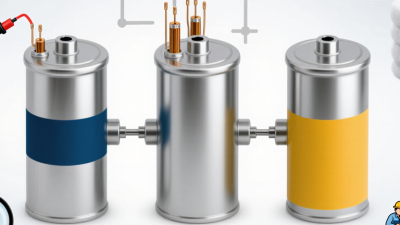
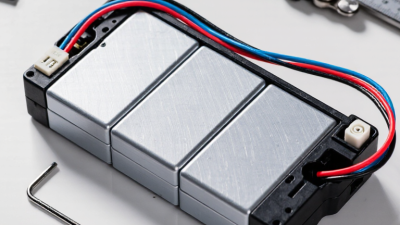
A 3S LiPo battery contains three lithium-polymer cells connected in series. Each cell has a nominal voltage of 3.7 volts, giving the pack a nominal 11.1 volts. Fully charged, it reaches 12.6 volts. That difference matters: equipment must support the battery’s full-charge voltage, not just its nominal rating. Check the device manual and charger specifications.
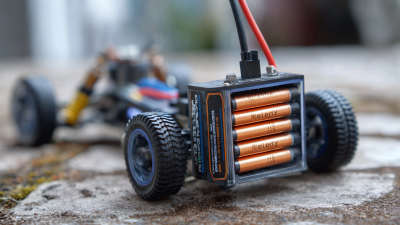
These packs are used in radio-controlled aircraft, boats, cars, and some portable equipment. Their relatively high output can support motors that need quick bursts of power, while their compact shape suits tight battery bays. But capacity alone does not determine runtime. Motor demand, load, temperature, and driving style all affect performance. A battery may feel warm after a run; excessive heat or swelling calls for careful inspection and stopping use.
For global buyers, matching the connector, dimensions, capacity, and continuous discharge rating to the equipment is essential. Ask suppliers for cell balance data, clear technical specifications, and consistent batch information. Shipping conditions and local transport requirements can also affect delivery, so verify them before ordering. Small details matter. Labels are not always enough; confirm the actual pack dimensions and voltage range. Even experienced buyers can overlook a connector mismatch.
Top 3S LiPo Battery Suppliers for Global Buyers — Understanding 3S LiPo Batteries and Their Global Applications
A 3S LiPo battery connects three cells in series. Using the common nominal cell voltage of 3.7 V and maximum charge voltage of 4.2 V, its pack voltage is 11.1 V nominal and 12.6 V fully charged. A 3.0 V-per-cell level (9.0 V for the pack) is shown as a low-voltage reference, not a universal cutoff; follow the battery maker’s specifications. When comparing suppliers, buyers should also check capacity, discharge rating, connector, and applicable shipping requirements.
Three Leading 3S LiPo Battery Suppliers for Global Buyers
Three leading 3S LiPo battery suppliers for global buyers usually fall into three groups: cell-and-pack manufacturers, custom battery assemblers, and regional distributors. A 3S pack has three cells connected in series, with 11.1 volts nominal voltage and 12.6 volts when fully charged. Buyers should compare capacity, discharge rating, dimensions, connector type, and stated cycle-life conditions. Ask for a current specification sheet and test records, not just a product photo. Small details matter. A connector that looks familiar may still have different wiring or polarity.
Manufacturers can suit repeat orders and tighter control over cell selection. Custom assemblers may offer useful options for cable length, enclosure, or pack shape, but buyers should confirm how each change affects testing and lead time. Regional distributors can simplify sampling and local communication; however, available stock and batch traceability may vary. Request sample packs, inspect labels and welds, and verify that quoted performance matches the intended load. I have seen purchasing plans overlook pack dimensions until installation, so measure the available space early.
Tips: Share the device’s peak current, operating temperature, and required runtime before requesting a quote. Check the supplier’s handling and transport documentation for your route. Compare like-for-like test conditions, and keep written records of revisions. No checklist catches every issue.
Comparing Supplier Capabilities, Certifications, and Customization
Top 3S LiPo Battery Suppliers for Global Buyers
Comparing Supplier Capabilities, Certifications, and Customization
Choosing a 3S LiPo supplier means checking more than voltage and capacity. Ask how the supplier controls cell matching, pack assembly, and final inspection. A sample pack can reveal details a datasheet misses, such as connector fit, cable length, and label durability. Small details matter. Compare stated cycle life and discharge ratings, but request the test conditions behind them. Results depend on temperature, load, and charging practices.
Certifications and documents help buyers assess quality, but verify that reports match the exact battery model and intended market. Request applicable safety test reports, traceability details, and a clear process for handling defects. Strong suppliers explain their quality checks without making vague guarantees. Some documentation can look convincing while leaving important questions unanswered. That is worth challenging.
Tips: Send a written specification with dimensions, connector type, wire length, capacity, and expected order volume. Ask whether custom labels or pack layouts affect lead time and minimum quantities. Compare the same sample criteria across suppliers. Keep one point in mind: customization adds value, but it can also introduce delays or new inspection needs.
Global Sourcing Considerations: Shipping, Compliance, and Support
For global buyers, a 3S LiPo battery is more than a voltage and capacity choice.
A typical pack is rated at 11.1 volts nominal and reaches 12.6 volts when fully charged. Ask suppliers to confirm the exact model, connector, dimensions, and test documentation before placing an order.
Small details matter. Packaging and shipping options can vary by route, carrier, and destination. Request written confirmation of the documents and battery markings needed for your shipment, including any applicable lithium battery test summaries and declarations.
Requirements can change, so verify details with the carrier and relevant authorities rather than relying on an old quotation.
Support matters after dispatch, too.
Ask how the supplier handles damaged cartons, missing paperwork, or a shipment held for inspection. A clear response time and a named contact can prevent days of uncertainty. Confirm whether replacement units or spare connectors are available, and whether technical staff can help check charging and storage guidance.
Delays happen. I would still double-check the carton count and tracking details; it is an easy step to overlook when several products ship together.
No checklist catches every issue, and schedules sometimes shift, so leave room in your delivery plan.

 +86-13928815851
 CONTACT NUMBER
 CONTACT NUMBER