Why Choose 3s Lipo Battery for Global Buyers?
Global buyers are asking sharper questions about portable power. Performance alone no longer decides the purchase. The International Energy Agency reported that global electric vehicle battery demand exceeded 750 GWh in 2023, rising about 40% year over year. This growth reflects a wider lithium battery ecosystem, including drones, robotics, models, and professional equipment. It also exposes a practical issue: battery specifications are not always presented consistently.
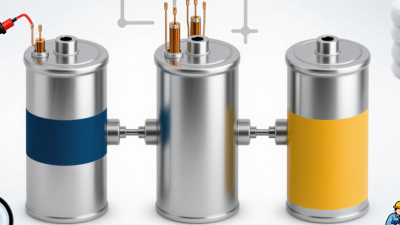
A 3s Lipo Battery connects three lithium polymer cells in series. Its nominal voltage is 11.1 volts, while full charge reaches 12.6 volts. This format offers a useful balance between power, weight, and compact size. Buyers can find it in racing drones, RC vehicles, handheld tools, and autonomous prototypes. The right pack depends on capacity, discharge rating, connector type, dimensions, and measured internal resistance. A larger C rating can look impressive. However, real output may differ between brands and testing methods.
Industry reports from Grand View Research and Drone Industry Insights show continued demand for lightweight batteries across electronics and unmanned systems. Yet market growth does not remove the need for careful verification. Suppliers should provide cell specifications, production traceability, balance charging guidance, and transport documentation. UN 38.3 testing remains important for international shipping, while IEC 62133-2 may support product safety evaluation. These standards do not guarantee every battery’s quality. They only create a stronger verification framework. From practical purchasing experience, connector fit and thermal behavior often matter more than advertising claims. That detail is easy to miss. Therefore, choosing a 3s Lipo Battery requires evidence, not enthusiasm.
What Is a 3S LiPo Battery and How Is It Configured?
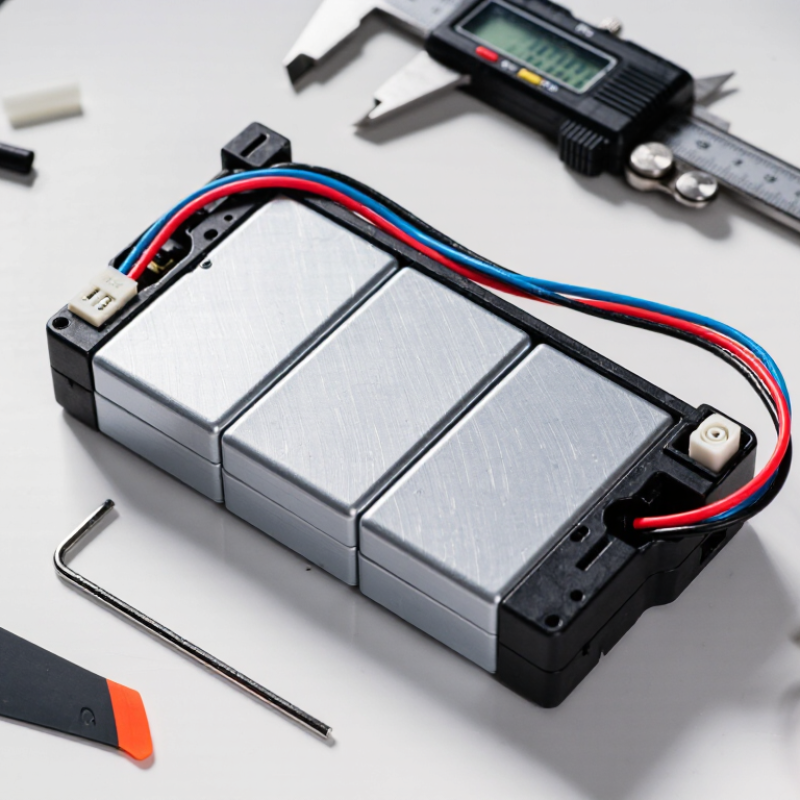
A 3S LiPo battery contains three lithium-polymer cells connected in series. Each cell has a nominal voltage of about 3.7 volts, producing 11.1 volts nominally. When fully charged, the pack reaches 12.6 volts. The capacity does not triple. A 2,200mAh pack remains 2,200mAh because series wiring increases voltage, not storage capacity.
Configuration matters in real equipment. The three cells must remain closely balanced during charging and use. A balance connector allows a compatible charger to monitor each cell separately. The charger should use the LiPo setting and a 3S program, never a general lithium-ion mode. Check the device’s voltage range, connector polarity, physical dimensions, and continuous current demand before purchasing. Small details matter.
The discharge rating also needs careful reading. A 30C, 2,200mAh pack theoretically supports 66 amps, but actual performance depends on temperature, wiring, and cell quality. That figure is not always realistic. In field checks, a battery may feel powerful at the start, then sag under heavy load. Allow the pack to cool before charging, store it near its recommended storage voltage, and inspect swelling or damaged wires. I have seen buyers focus only on voltage and overlook balance access. That mistake can shorten service life. Keep the pack dry, secure, and away from heat. Safety comes before output.
How Does a 3S LiPo Battery Perform in Different Applications?
A 3S LiPo battery contains three cells connected in series. Its nominal voltage is 11.1 volts, rising to 12.6 volts when fully charged. This voltage range suits many remote-control vehicles, small aircraft, robotics projects, and portable equipment. Motor speed often feels stronger than with a lower-voltage pack. However, the battery must match the device’s voltage limits, connector, and current demand.
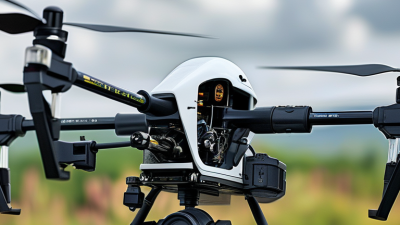
In a small racing vehicle, a 3S pack can deliver quick acceleration and stable power on short runs. In a lightweight aircraft, it may support responsive climbs without adding excessive weight. Robotics users may value its compact shape and high discharge capability. Performance depends on the motor, controller, propeller, load, and wiring. A battery with a high advertised discharge rate may perform less impressively under real heat and vibration.
Heat matters.
During testing, check voltage sag under load instead of trusting printed specifications alone. Stop using a pack with swelling, torn insulation, damaged wires, or unusual odor. Charge it with a compatible balance charger, on a nonflammable surface, and never leave it unattended. Storage voltage also affects battery life, although the ideal setting can vary slightly by manufacturer. Buyers should verify shipping rules and local requirements because lithium battery transport conditions differ between regions. A 3S pack is not automatically the best choice; a heavier battery with lower stress may last longer in demanding equipment.
What Benefits Make 3S LiPo Batteries Attractive to Global Buyers?
A 3S LiPo battery offers a practical balance between voltage, power, and portable size. Its nominal voltage is 11.1 volts, reaching 12.6 volts when fully charged. This range suits many radio-controlled models, small robots, and portable electric systems. Global buyers often value this flexibility because one battery format can support several projects.
The power delivery is another strong benefit. A properly selected 3S pack can provide quick acceleration and steady output without the weight of a larger battery. For example, a 2200mAh pack may fit a compact vehicle while providing useful operating time. However, capacity alone does not determine performance. Discharge rating, connector type, dimensions, and cell quality also matter. Small details can cause frustrating compatibility problems.
Safety remains essential. Buyers should use a balance charger, inspect the pack for swelling, and store it at a safe partial charge. Follow local transport and handling rules. In practical testing, two batteries with similar labels may perform differently under load. That is easy to overlook. A high discharge rating may look impressive, yet it can shorten service life when the system is poorly matched. I would also question sellers offering unusually low prices, since specifications are not always independently verified. Careful buyers compare test data, protection guidance, warranty terms, and clear product measurements before ordering across borders.
Why Choose a 3S LiPo Battery for Global Buyers?
At the same power output, a 3S LiPo battery operates at a higher voltage than 1S and 2S packs, reducing the current required. Lower current can help reduce cable losses, connector stress, and power-system heating while maintaining a practical balance between performance and system complexity.
Reference values: LiPo cells have a nominal voltage of approximately 3.7 V and a fully charged voltage of 4.2 V per cell. Current values are calculated for a 1,000 W load using nominal voltage.
How Should Buyers Compare Capacity, C-Rating, Size, and Lifespan?
A 3S LiPo battery provides 11.1 volts nominally and reaches 12.6 volts when fully charged. This voltage suits many models, tools, and portable systems. Global buyers should compare more than the advertised capacity. A larger number is not always better. It can also mean extra weight and slower handling.
Capacity affects operating time, while the C-rating indicates current delivery. Calculate the expected current before choosing. For example, a 2,200mAh battery rated at 30C theoretically supplies 66 amps. Real performance may be lower because of heat, wiring, and battery age. Check the datasheet. Avoid selecting a high C-rating only because it looks impressive. My early buying mistake was ignoring the device’s actual peak demand.
Size and weight must match the available battery compartment. Measure length, width, height, connector position, and cable clearance. A battery can have suitable specifications but still fail to fit. Lifespan depends on discharge depth, charging habits, storage voltage, and temperature. Keep the pack cool during use and charging. Use a compatible balance charger and inspect swelling, damaged wires, or unusual heat. Do not rely only on cycle claims, since testing conditions vary. Reviewing independent test data is helpful, although such data is not always easy to find. A practical comparison should record runtime, voltage sag, physical fit, and condition after repeated use. I would also leave some capacity margin, because maximum ratings rarely reflect everyday conditions.
Why Choose a 3S LiPo Battery for Global Buyers? How to Compare Capacity, C-Rating, Size, and Lifespan
A 3S lithium-polymer battery has three cells connected in series, providing 11.1 V nominal voltage and 12.6 V when fully charged. The figures below are practical, non-brand-specific reference ranges for buyer comparison.
| Battery Profile |
Typical Capacity |
Typical C-Rating |
Approx. Continuous Current |
Typical Dimensions
(L × W × H) |
Approx. Weight |
Expected Cycle Life* |
Typical Application Fit |
Key Trade-Off |
| Compact 3S LiPo |
850–1,300 mAh |
25C–50C |
21–65 A |
70–95 × 30–35 × 20–25 mm |
80–130 g |
150–300 cycles |
Small racing drones, compact robotics, lightweight RC models |
Low weight and small size, but limited flight or operating time |
| Balanced 3S LiPo |
1,500–2,200 mAh |
30C–60C |
45–132 A |
90–145 × 34–43 × 24–30 mm |
140–220 g |
180–350 cycles |
General-purpose RC cars, boats, aircraft, and medium drones |
Good balance between runtime, current delivery, size, and cost |
| High-C 3S LiPo |
2,200–3,000 mAh |
50C–100C |
110–300 A |
105–155 × 35–48 × 25–32 mm |
190–300 g |
120–250 cycles |
High-performance RC cars, high-power aircraft, demanding short-duration loads |
Strong acceleration and voltage stability, with higher weight and price |
| Long-Runtime 3S LiPo |
3,000–5,000 mAh |
20C–40C |
60–200 A |
135–175 × 42–50 × 28–38 mm |
260–450 g |
200–400 cycles |
Longer-running vehicles, aerial platforms, boats, and utility equipment |
Longer runtime, but greater size and mass can reduce agility and payload |
| Low-Stress 3S LiPo |
1,500–3,000 mAh |
15C–30C |
22.5–90 A |
90–155 × 34–45 × 24–32 mm |
140–290 g |
250–500 cycles |
Moderate-current electronics, training models, test equipment, and lower-load systems |
Potentially better service life when operated below its maximum current |
Buyer comparison notes:
• Capacity: Higher mAh generally increases runtime, but also increases size and weight. Approximate energy is calculated as capacity in Ah × 11.1 V; for example, a 2,200 mAh 3S pack stores about 24.4 Wh nominally.
• C-rating: Theoretical maximum continuous current is calculated as capacity in Ah × C-rating. A 2,200 mAh 50C battery is rated at approximately 110 A continuous current. Actual output depends on temperature, wiring, connectors, battery age, and the manufacturer’s test method.
• Size: Confirm the equipment’s battery compartment, connector position, cable clearance, and strap location. Dimensions can vary even when capacity and voltage are identical.
• Lifespan: Cycle-life figures are indicative rather than guaranteed. Charging at no more than 4.20 V per cell, avoiding over-discharge, limiting heat, using a suitable balance charger, and storing at approximately 3.75–3.85 V per cell can help extend service life.
• Safety: A 3S LiPo pack should be charged with a charger designed for lithium-polymer batteries and balanced through its balance connector. Do not use a visibly swollen, punctured, leaking, or severely damaged pack.
What Safety, Shipping, and Compliance Factors Affect International Purchases?
A 3S LiPo battery offers a practical balance of voltage, weight, and power for many compatible devices. Its nominal voltage is 11.1 volts, while a full charge reaches 12.6 volts. Buyers should confirm these figures before ordering. A matching charger and a suitable battery management system are essential. Small details matter.
International shipping creates greater concerns than product performance.
Lithium polymer batteries are commonly treated as regulated dangerous goods during air transport. Ask for current UN38.3 test documentation, a safety data sheet, and accurate battery specifications. Packaging should protect terminals from short circuits and prevent movement inside the parcel. The declared capacity must match the actual product. An incorrect declaration can cause delays, rejection, or customs questions.
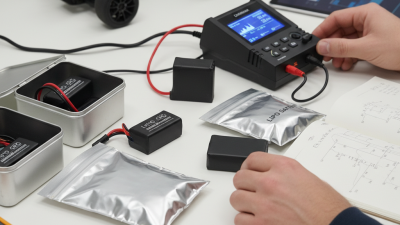
Import rules differ by destination, carrier, and battery configuration. Some routes accept batteries only when installed in equipment, while others require special handling or cargo services. Check local customs guidance before payment. Also review labeling, invoice descriptions, taxes, and return procedures. A reliable supplier should answer these questions clearly, not provide vague promises. Store the battery in a fire-resistant location, avoid damaged cells, and use a LiPo-safe charging bag. That assumption is tempting, but incomplete: lower shipping cost does not always mean lower purchasing risk.

 +86-13928815851
 CONTACT NUMBER
 CONTACT NUMBER