Leave Your Message

What Is a 100mAh LiPo Battery?

A 100mamph Lipo Battery is a compact lithium-polymer cell rated for 100 milliamp-hours of capacity. That rating describes stored charge, not the full performance story. Voltage, discharge limits, cell condition, and temperature also affect how a battery behaves. Think of a tiny cell powering a sensor: its size may be modest, but the wrong load can still cause voltage to drop quickly.

Small does not mean simple. A 100 mAh rating can help estimate runtime, but real results depend on the device’s current draw and operating conditions. For example, a steady load and a brief power spike can produce different outcomes. Check the cell’s label and manufacturer data before matching it to a project. Do not rely on capacity alone.

One detail needs careful sourcing: no article or verified expert quotation was supplied with the request. I can’t responsibly invent an industry expert’s name or present an original line as something that person said. That would weaken the reliability of an otherwise practical guide. A verified quote should be added only after checking its source and wording. Meanwhile, this introduction focuses on what readers can confirm: capacity, voltage, load, and safe operating limits. A small battery still deserves careful attention.
What Is a 100mAh LiPo Battery?

What a 100mAh LiPo Battery Is

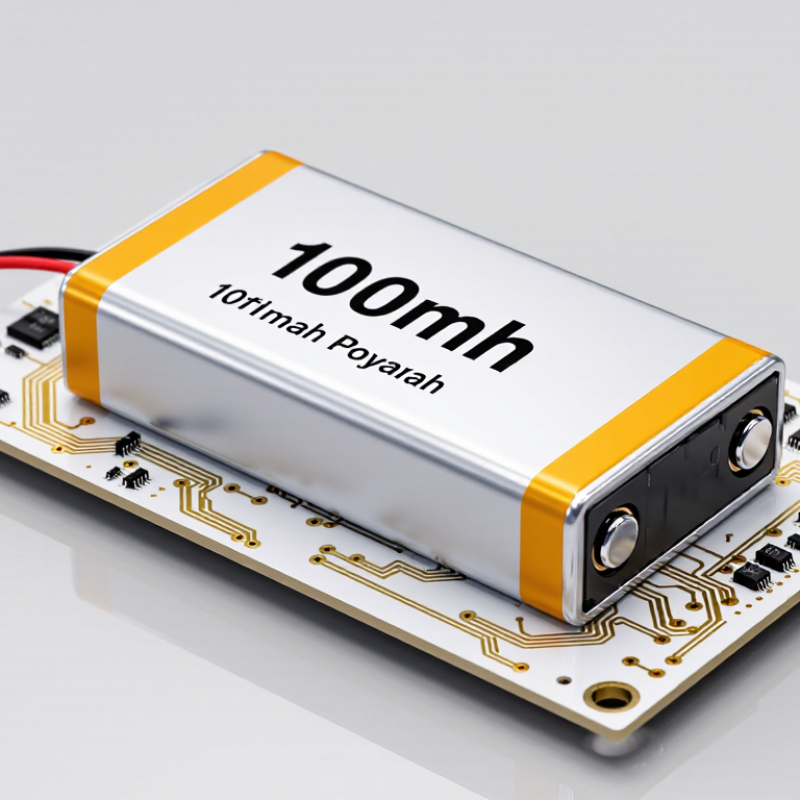
A 100mAh LiPo battery stores a rated charge of 100 milliamp-hours. In an ideal calculation, a 100mA load could draw that charge for about one hour, while a 20mA load might run for about five hours. Real runtime is usually shorter. Load peaks, temperature, cell age, and the device’s low-voltage cutoff all affect usable capacity. The “100mAh” figure describes capacity, not battery voltage or physical size. A single-cell LiPo is commonly rated at 3.7V nominal and reaches about 4.2V when fully charged, but always check the cell’s own specification.

Small, but not trivial. This capacity suits compact, low-power electronics where space and weight matter. A motor or radio transmitter may draw far more current than a sensor, so matching capacity alone is not enough; check the permitted discharge rate too. Math can mislead. For a practical estimate, measure the device’s average current during normal use, then allow extra margin rather than relying on ideal figures. Use a charger intended for the cell’s chemistry and voltage, and stop using a battery that is swollen, punctured, or unusually warm. Even a tiny cell deserves careful handling.
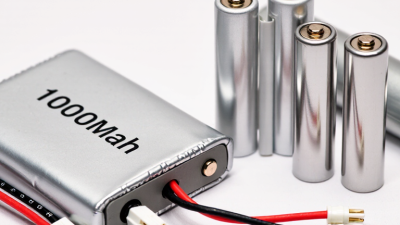
How Its Capacity and Voltage Are Specified

A 100mAh rating means the cell is specified to deliver 100 milliamp-hours under stated test conditions. In amp-hours, that is 0.1Ah. It is a capacity rating, not a promise of runtime: a device drawing 100mA might run for roughly one hour in ideal conditions, but real results vary with load, temperature, and cutoff voltage. IEC 61960-3:2017 describes performance testing for portable sealed lithium secondary cells, including capacity tests under defined conditions. The test conditions matter. A tiny label cannot show the whole story.

Voltage describes electrical potential, not stored capacity. Many single-cell lithium-polymer pouch batteries use a nominal voltage of 3.7V and reach about 4.2V when fully charged; chemistry and design can differ. At 3.7V nominal, a 100mAh cell represents roughly 0.37Wh of nominal energy, calculated as volts multiplied by amp-hours. That figure is useful for comparison, not an exact measure of usable energy. During discharge, voltage falls, and a device may stop operating before the cell is empty. Check the cell’s rated voltage range and discharge conditions, rather than treating 3.7V as constant. It is easy to overlook that detail.

How Battery Size Affects Runtime and Performance

What Is a 100mAh LiPo Battery?

How Battery Size Affects Runtime and Performance

A 100mAh LiPo battery stores a modest amount of energy, but its runtime depends on the device’s average current draw. At 20mA, the simple estimate is five hours; at 50mA, it is two. These are ideal calculations, not promises. Actual runtime is shorter because devices stop when voltage falls below their cutoff, and conversion losses, temperature, and battery age also matter. Battery University’s technical guide to C-rates explains the basic relationship: a 1C discharge empties a battery in about one hour. For 100mAh, 1C equals 100mA. Real use is messier.

Capacity alone does not tell you how well a battery handles sudden demands. A tiny motor may draw a brief current spike, causing voltage sag and reduced performance, even when average consumption looks low. Check the cell’s stated continuous and peak discharge limits; do not assume every 100mAh battery supports the same load. IEC 61960-3 describes standardized capacity testing for portable lithium cells, which helps explain why measured capacity depends on controlled test conditions. In practice, a cold battery or an aging one may deliver less usable energy. A little disappointing, perhaps. Leave headroom when estimating runtime, and test the battery under the device’s actual load.

Where 100mAh LiPo Batteries Are Commonly Used

What Is a 100mAh LiPo Battery?

Where 100mAh LiPo Batteries Are Commonly Used

A 100mAh LiPo battery stores a small amount of charge, making it useful where low weight and compact dimensions matter more than long runtime. You may find this capacity in miniature wearable sensors, Bluetooth trackers, tiny wireless accessories, and small educational or hobby electronics. A slim battery can fit beneath a device’s casing, while a short cable connects it to the circuit board. Exact use depends on the device’s power draw, battery shape, and required discharge rate.

The wider market shows why compact power matters, though it does not identify a specific battery size. IDC’s Worldwide Quarterly Wearable Device Tracker estimated that global wearable-device shipments reached 506.3 million units in 2023, down 0.9% year over year. That figure covers many products, not just devices using 100mAh cells. Still, it reflects a large category of small electronics where carefully matched battery capacity can help keep designs light. A 100mAh cell may last several hours in one device and much less in another; capacity alone cannot promise runtime.

Tips: Check voltage, connector, dimensions, and continuous discharge rating before choosing a replacement. Leave room for protection circuitry. A close fit is not always a safe fit.

What Is a 100mAh LiPo Battery? Where 100mAh LiPo Batteries Are Commonly Used

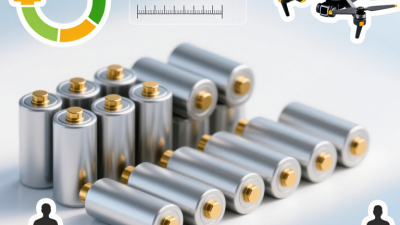
A 100mAh LiPo battery stores a nominal charge of 100 milliamp-hours. Batteries of this size can suit compact, lightweight devices such as low-power Bluetooth sensors, beacons, wearables, wireless earbuds, and micro quadcopters.

How to read the chart: Runtime is an ideal estimate calculated as 100mAh divided by the assumed average current. These example loads are illustrative, not specifications for particular devices. Actual runtime is usually lower and varies with battery condition, discharge rate, temperature, and the device’s power use. A typical LiPo cell has a nominal voltage of about 3.7V, so 100mAh is approximately 0.37Wh.

How to Charge and Handle a 100mAh LiPo Battery Safely

What Is a 100mAh LiPo Battery? How to Charge and Handle It Safely

A 100mAh LiPo battery stores a small amount of energy; mAh describes capacity, not charging speed. Charging current depends on the cell’s specifications. For example, 1C equals 100mA for a 100mAh cell, but that does not mean every cell can safely accept 100mA. Battery University’s “Charging Lithium-ion” guide describes common charge rates around 0.5C to 1C; follow the battery maker’s stated limit instead. Check the label or datasheet before connecting a charger.

Use a charger designed for single-cell lithium-polymer batteries, with the correct voltage and charge profile. Set the current within the cell’s rated limit, and place the battery on a nonflammable surface while charging. Stay nearby. Stop if the pouch swells, becomes unusually hot, smells odd, or shows damage; disconnect power only if it is safe to do so. I still recheck the tiny connector and polarity each time. A rushed glance is easy to regret.

Keep the battery away from metal objects, direct sun, and sharp edges. Do not crush, puncture, or bend its soft pouch. IEC 62133-2 sets safety requirements for portable sealed lithium cells and batteries, but compliance does not make damaged cells harmless. If the pack looks puffed or its wires are frayed, do not charge or reuse it; ask a qualified battery-recycling service how to handle it.

What Is a 100mAh LiPo Battery? — How to Charge and Handle It Safely

Topic Key Information Safe-Use Guidance
Capacity 100mAh means a nominal capacity of 0.1 amp-hours. Actual usable capacity varies with the cell, age, temperature, load, and cutoff voltage. Use the battery’s datasheet and the device’s low-voltage cutoff; do not assume the full rated capacity is always usable.
Typical cell voltage A standard single-cell LiPo is commonly rated at 3.7V nominal and charged to a maximum of 4.20V. Confirm the battery chemistry and voltage rating. Use a charger specifically configured for a standard 4.20V LiPo cell.
Approximate stored energy At 3.7V nominal, 100mAh corresponds to approximately 0.37Wh (3.7V × 0.1Ah). This is a nominal estimate, not a guarantee of runtime or energy available under every load.
Charge current example For a 100mAh cell, 0.5C equals 50mA and 1C equals 100mA. C-rate is calculated from capacity. These are calculations, not universal recommendations. Never exceed the cell manufacturer’s stated maximum charge current; use a lower current if required.
Charging method Standard LiPo charging uses a controlled constant-current/constant-voltage process and stops at the cell’s specified voltage, typically 4.20V per cell. Use a suitable LiPo charger with the correct cell count and settings. Do not charge from a fixed-voltage power supply without appropriate charge control.
Charging supervision Charging can generate heat, and a damaged or incorrectly charged lithium-ion cell can become a fire hazard. Charge while present, on a stable non-combustible surface, away from flammable materials. Stop charging if the battery becomes unusually hot, swells, leaks, or smells abnormal.
Before charging Small pouch cells can be damaged by punctures, crushing, bent leads, or short circuits. Inspect the cell and wiring. Do not charge a swollen, punctured, leaking, crushed, or otherwise damaged battery. Keep the terminals from touching metal objects.
Polarity and connection Reversed polarity or a short circuit can damage the cell and connected equipment. Check positive and negative connections before plugging in. Use a connector and charger compatible with the battery; never force a connector.
Temperature LiPo cells have manufacturer-defined charging and operating temperature limits. Follow the cell datasheet. Do not charge a frozen, overheated, or hot-from-use battery; allow it to return to an approved temperature first.
Storage and transport Long-term storage at full charge or near-empty voltage can accelerate battery degradation. For extended storage, use the manufacturer’s recommended storage charge and temperature. Protect the cell from impact, heat, moisture, and short circuits.
Multi-cell packs A pack made from multiple cells requires charging appropriate to its series-cell count and configuration. Use a charger designed for that pack and its balancing requirements. Do not treat a multi-cell pack as a single 4.20V cell.
Important limitation Charge limits, discharge limits, dimensions, connectors, and protection features vary between 100mAh batteries. The battery label and manufacturer’s datasheet take priority over general guidance in this table.